
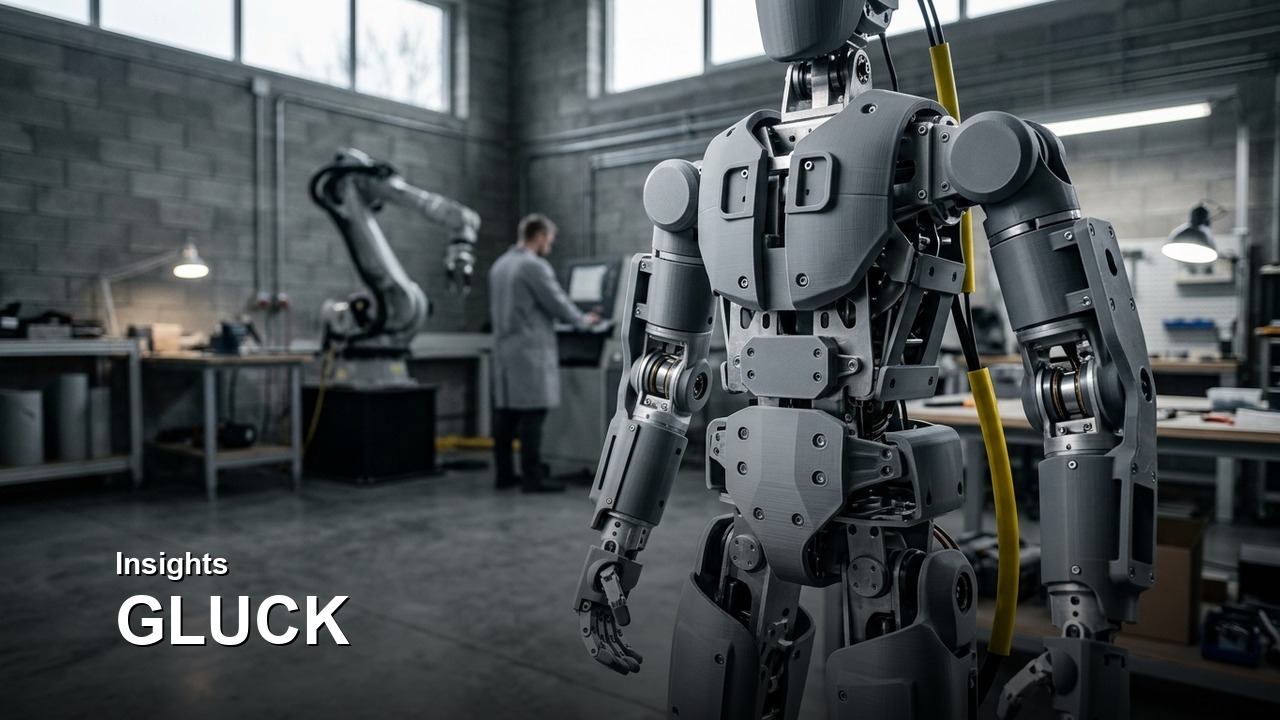
최근 로봇 업계에서 눈에 띄는 흐름 중 하나는 '누구나 만들 수 있는 로봇'이라는 개념의 확산입니다. 완성차 공장이나 대형 로봇 기업의 전유물처럼 여겨지던 휴머노이드가, 이제는 집에 있는 데스크톱 3D프린터와 온라인에서 구할 수 있는 표준 부품만으로 조립 가능한 형태로 공개되기 시작했습니다. 진입장벽이 빠르게 낮아지고 있는 것입니다.
대표적인 사례가 UC 버클리 팀이 공개한 'Berkeley Humanoid Lite'입니다. CAD와 구동 소프트웨어까지 모두 오픈소스로 공개되었고, 전체 부품 비용(BOM)은 약 5,000달러 수준으로 알려졌습니다. 핵심은 액추에이터와 로봇 본체에 쓰이는 모듈형 3D프린팅 기어박스로, 모든 부품을 일반 전자상거래 플랫폼에서 구할 수 있고 표준 데스크톱 3D프린터로 제작할 수 있도록 설계되었다는 점입니다.
이 프로젝트는 로봇 개발의 진입장벽을 낮췄지만, 동시에 제조 업계에 실질적인 질문을 던집니다. 설계가 계속 바뀌는 로봇 부품을, 금형 없이 어떻게 '실제로 쓸 수 있는 품질'로 반복 생산할 것인가 하는 문제입니다. 소량·다품종 로봇 부품을 금형 없이 양산하려면 어떤 제조 방식이 맞을까요. 오픈소스 로봇의 빠른 반복 니즈를 제조 관점에서 짚어봅니다.
Berkeley Humanoid Lite : 오픈소스가 드러낸 제조의 과제
버클리 팀은 이 로봇을 "접근 가능하고, 커스터마이즈할 수 있으며, 커뮤니티 전체에 도움이 되는 오픈소스 휴머노이드"로 소개합니다. 가장 큰 부품도 200mm × 200mm × 200mm 빌드 볼륨 안에 들어가도록 설계되었고, 논문은 2025년 4월에 공개되었습니다. 표준 부품과 표준 장비로 만들 수 있다는 점이 이 프로젝트의 강점입니다.
문제는 접근성을 위해 선택한 소재에서 드러납니다. 원문에서도 지적하듯 모든 부품이 PLA로 제작되었는데, 버클리 팀 스스로 PLA가 이 설계의 '아킬레스건'이 될 수 있다고 봤습니다. 기어처럼 마모와 열이 집중되는 부위에서는 가정용 데스크톱 프린터와 PLA만으로 내구성을 확보하기 어렵기 때문입니다. 여기에 3D프린터마다 출력 편차가 생기는 문제도 예상대로 나타났습니다.
이 지점에서 제조 관점의 두 가지 벽이 선명해집니다.
- 소재·내구성의 벽: 접근성을 위한 PLA는 마모·발열 부위에서 한계가 있고, 실제 반복 사용을 견디려면 더 안정적인 소재와 공정이 필요합니다.
- 품질 편차의 벽: 장비마다 출력 결과가 달라, 여러 대를 만들거나 여러 사람이 만들 때 동일한 품질을 보장하기 어렵습니다.
이 두 벽은 오픈소스 취미 단계에서는 감수할 수 있지만, 실제 판매용 로봇이나 교육용으로 여러 대를 반복 생산하는 순간 곧바로 비용과 신뢰성 문제로 이어집니다.
왜 로봇 부품은 '금형 없는 양산'을 원할까요?
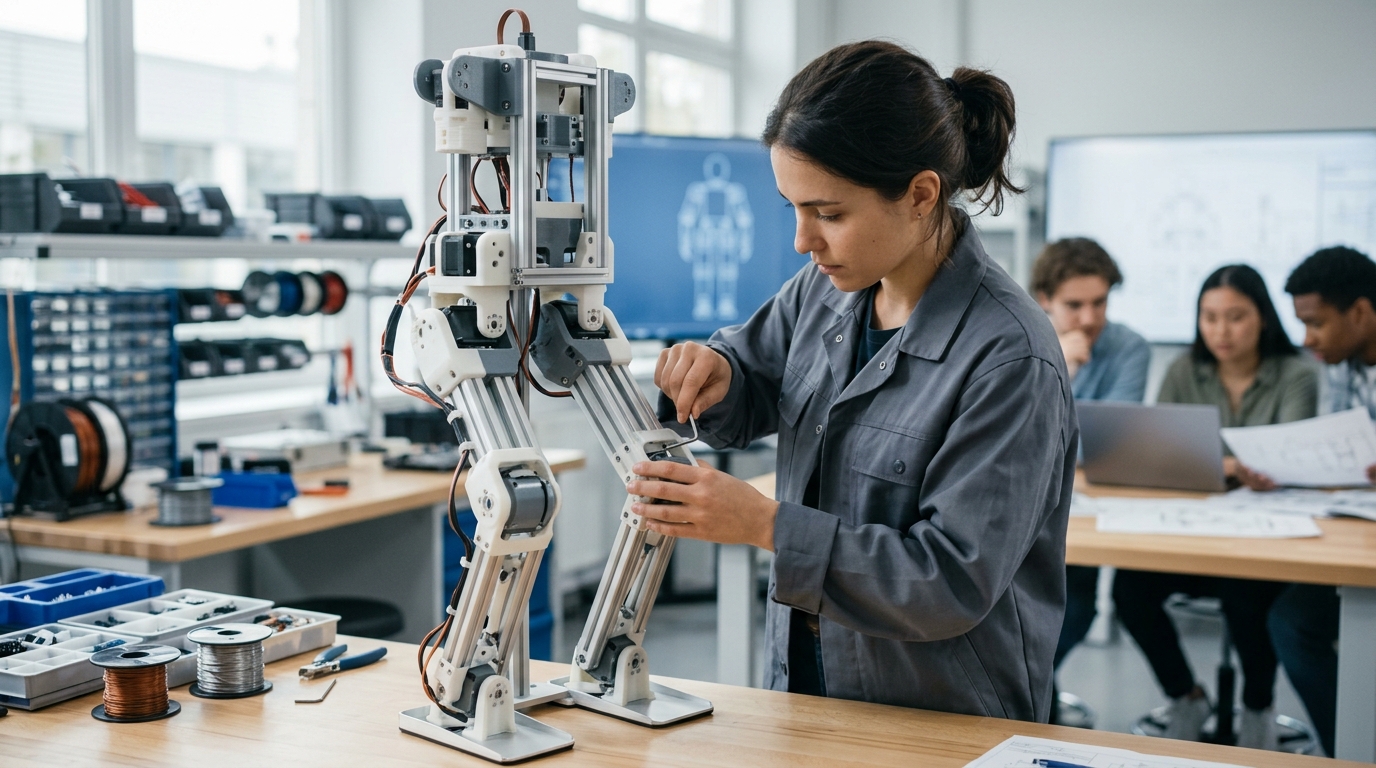
로봇 부품이 일반 대량 소비재와 다른 점은 설계가 자주 바뀐다는 것입니다. 버클리 사례처럼 오픈소스 프로젝트는 커뮤니티가 부품을 계속 개선하고, 개별 교실이나 팀이 설계를 조금씩 조정해 사용합니다. 즉 '고정된 하나의 형상을 대량으로'가 아니라 '자주 바뀌는 다양한 형상을 필요한 만큼' 만들어야 하는 구조입니다.
이런 부품을 전통적인 사출 성형으로 만들려면 형상마다 금형을 제작해야 합니다. 문제는 금형에 들어가는 초기 투자와 시간입니다. 설계가 몇 달 만에 바뀌는 로봇 부품에 금형을 새로 파면 투자 회수가 어렵고, 변경할 때마다 금형 수정 비용과 리드타임이 다시 발생합니다. 초도 물량이 수백~수천 개 수준인 로봇 하우징·커버·브라켓에서는 이 구조가 특히 부담이 됩니다.
절삭(CNC) 방식도 대안이 되지만, 복잡한 내부 격자나 부품을 하나로 통합한 일체형 구조는 형상 제약이 크고 단가가 올라갑니다. 결국 로봇 부품 제조의 핵심 니즈는 분명합니다. 금형 투자 없이, 설계 변경을 즉시 반영하면서, 실제 쓸 수 있는 품질로 반복 생산하는 방식입니다. 원문이 3D프린팅 시장과 로봇 시장의 유사점을 짚은 지점도 여기와 맞닿아 있습니다. 하드웨어와 소프트웨어가 저렴하고 유연해지면서, 무금형 생산이 현실적인 선택지로 떠오르고 있습니다.
산업용 SLA 3D프린팅, 어떤 조건에서 맞을까요?
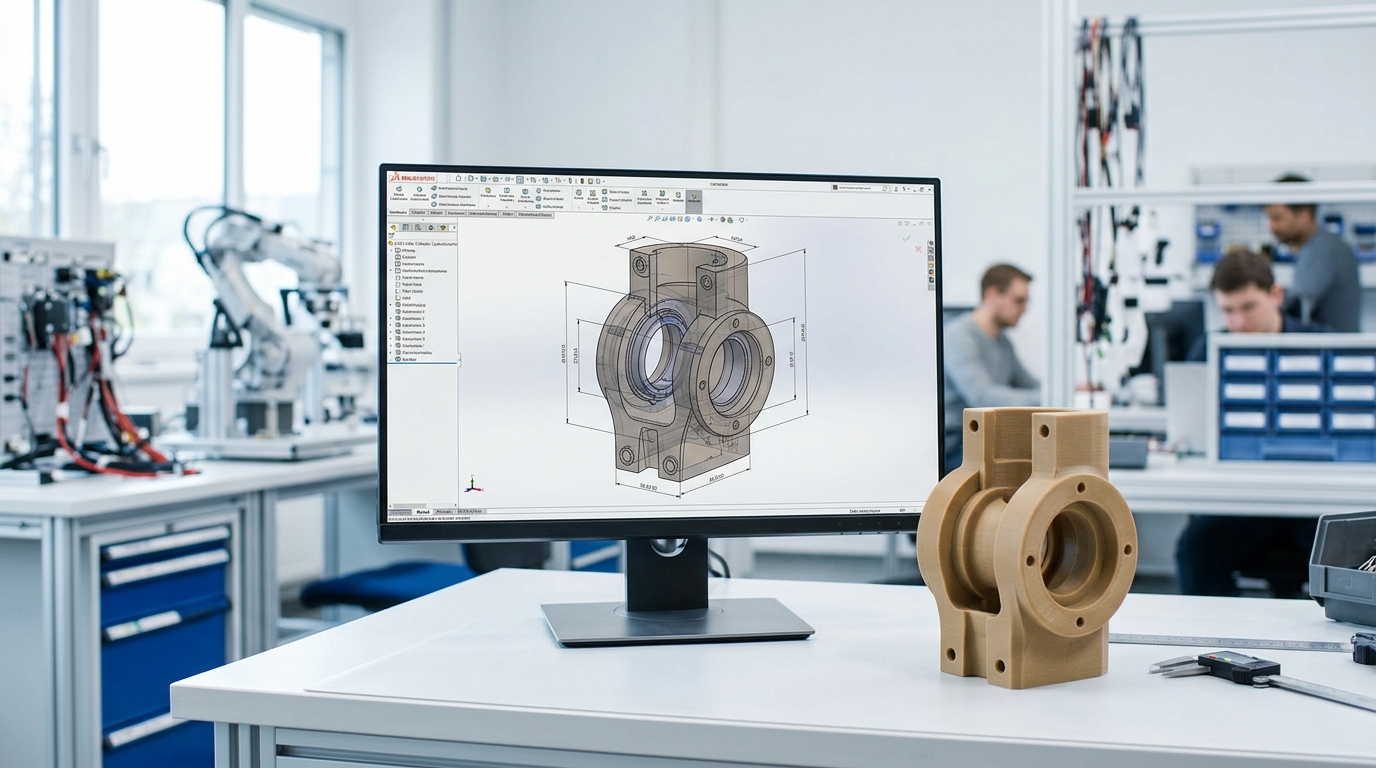
바로 이 지점에서 산업용 SLA 3D프린팅이 조건부 대안으로 부상합니다. 데스크톱 FDM과 PLA가 접근성을 위한 선택이라면, 산업용 SLA는 실제 부품 수준의 품질과 반복 생산성을 확보하기 위한 선택입니다. GLUCK의 산업용 SLA는 최대 ±0.05mm 수준의 정밀도와 Ra 0.8 수준의 표면을 구현하며, 후가공 시 사출품과 구별이 어려운 마감이 가능합니다. 로봇 외장 하우징·센서 브라켓·커버류처럼 표면과 조립 정밀도가 중요한 부품에 적합합니다.
💡 핵심은 '금형 없이 반복 생산'입니다. 형상이 바뀌면 CAD 데이터만 수정해 바로 다시 생산할 수 있어, 설계가 자주 바뀌는 로봇 부품의 초도·브릿지 구간과 다품종 반복 생산에 잘 맞습니다. 또한 장비별 편차 문제를 관리된 양산 체계로 통제할 수 있다는 점이, 여러 대를 균일한 품질로 만들어야 하는 상황에서 오픈소스 취미 환경과 결정적으로 다른 지점입니다.
- 금형 없는 반복 생산: 초기 금형비 없이 데이터 기반으로 바로 생산에 들어가, 설계 변경이 잦은 부품의 투자 회수 부담을 줄입니다.
- 복잡 형상·부품 통합: 내부 격자나 여러 부품을 하나로 합친 일체형 구조를 구현해 조립 공정과 부품 수를 줄일 수 있습니다.

다만 SLA가 모든 경우에 우월한 것은 아닙니다. 동일한 형상을 수만 개 이상 장기적으로 생산한다면, 개당 단가 측면에서는 사출 성형이 여전히 유리합니다. 또한 고하중을 받는 금속 구조 부품이라면 기존 절삭·금속 공정이 더 적합합니다. 중요한 것은 총 물량, 설계 변경 빈도, 형상 복잡도를 함께 보고 판단하는 것입니다. 개별 맞춤~반복 소량·중량 구간에서 금형 없이 생산해야 한다면 SLA가 현실적인 선택지가 됩니다.
오픈소스 휴머노이드가 보여준 것은 로봇 개발이 더 이상 소수의 전유물이 아니라는 사실입니다. 하지만 취미 단계의 부품을 실제 제품 수준으로 끌어올리는 구간에는 여전히 소재·품질·반복 생산성의 벽이 존재합니다. 이 구간을 금형 없이 넘어서고자 하는 제조사와 개발팀에게, 산업용 SLA 기반의 유연한 반복 생산(Flexible Series Production)은 현실적인 다리 역할을 할 수 있습니다.
GLUCK은 반복 생산이 가능한 산업용 SLA 3D프린팅 인프라를 기반으로
로봇 부품 개발과 양산 전환 과정에 필요한 3D프린팅 제조 솔루션을 지원하고 있습니다.
지금 글룩을 확인해보세요!
📩 글룩 홈페이지 & 온라인 견적: https://glucklab.com/
🧮 실시간 견적: https://glucklab.com/estimate/estimate_sub02.html
📂 글룩 포트폴리오: 글룩 포트폴리오 확인하기 (https://glucklab.com/bbs/bbs_list.php?code=portfolio)
References
[1] 3DPrint.com, "Berkeley Humanoid Lite And The Open Source Robotics Revolution," 3DPrint.com. Link: https://3dprint.com/330955/berkeley-humanoid-lite-and-the-open-source-robotics-revolution/
The Open-Source Humanoid 'Berkeley Humanoid Lite': What It Means to Mass-Produce Robot Parts Without Molds
One notable trend in the robotics industry is the spread of the idea of "robots anyone can build." Humanoids, once seen as the domain of automotive plants and large robotics firms, are now being released in forms you can assemble using a home desktop 3D printer and standard parts ordered online. The barrier to entry is dropping fast.
A representative case is UC Berkeley's 'Berkeley Humanoid Lite.' Both the CAD and the control software are fully open-source, and the total bill of materials (BOM) is reported to be around $5,000. At its core is a modular 3D-printed gearbox for the actuators and robot body, designed so that all components can be sourced from common e-commerce platforms and fabricated on standard desktop 3D printers.
The project lowered the barrier to robot development, but it also raises a practical question for manufacturing: how do you repeatedly produce robot parts whose designs keep changing—at a quality you can actually use—without molds? What method fits low-volume, high-mix robot parts that must be mass-produced without molds? We examine the fast-iteration needs of open-source robots from a manufacturing perspective.
Berkeley Humanoid Lite: The Manufacturing Challenge Revealed by Open Source
The Berkeley team describes the robot as an open-source humanoid "designed to be accessible, customizable, and beneficial for the entire community." The largest components fit within a 200 mm × 200 mm × 200 mm build volume, and the paper was published in April 2025. Its strength lies in being buildable with standard parts and standard equipment.
The challenge appears in the material choice made for accessibility. As the source notes, all parts were made in PLA—and the Berkeley team itself views PLA as the design's potential "Achilles' heel." In areas like gears where wear and heat concentrate, durability is hard to secure with a home desktop printer and PLA alone. On top of that, variability across 3D printers appeared, as expected.
Here, two manufacturing walls come into focus.
- The material/durability wall: PLA chosen for accessibility has limits on wear and heat-prone areas, and enduring real repeated use requires more stable materials and processes.
- The quality-variance wall: Output differs by machine, making it hard to guarantee uniform quality when producing many units or when many people build them.
These walls are tolerable at the hobby stage, but the moment you repeatedly produce multiple units for actual sale or education, they immediately translate into cost and reliability problems.
Why Do Robot Parts Want "Mold-Free" Production?
What sets robot parts apart from general consumer goods is that their designs change often. As in the Berkeley case, open-source projects have communities continuously improving parts, with individual classes or teams tweaking designs slightly for their own use. In other words, the need is not "one fixed shape at scale" but "many changing shapes, as many as needed."
To make such parts with traditional injection molding, you must build a mold for each shape. The problem is the upfront investment and time that molds require. Cutting a new mold for a robot part whose design changes within months makes recovery difficult, and every change incurs mold-modification costs and lead time again. For robot housings, covers, and brackets with initial volumes in the hundreds to thousands, this structure is especially burdensome.
CNC machining is an alternative, but complex internal lattices or integrated single-piece structures face significant geometric constraints and higher unit costs. Ultimately, the core need in robot-part manufacturing is clear: a way to repeatedly produce, at usable quality, without tooling investment, while instantly reflecting design changes. This is exactly where the source draws parallels between the 3D printing market and the robotics market. As hardware and software become cheaper and more flexible, mold-free production is emerging as a realistic option.
Industrial SLA 3D Printing: Under What Conditions Does It Fit?
This is precisely where industrial SLA 3D printing emerges as a conditional alternative. If desktop FDM and PLA are choices for accessibility, industrial SLA is a choice for securing real part-level quality and repeat production. GLUCK's industrial SLA achieves precision up to around ±0.05mm and Ra 0.8 surface quality, with finishing that is hard to distinguish from injection-molded parts. It suits parts where surface and assembly precision matter, such as robot exterior housings, sensor brackets, and covers.
💡 The key is "repeat production without molds." When a shape changes, you simply revise the CAD data and produce again immediately—fitting the early and bridge stages and high-mix repeat production of robot parts that change often. And the ability to control machine-to-machine variance through a managed production system is what decisively distinguishes it from the open-source hobby environment when many units must be made at uniform quality.
- Mold-free repeat production: Without upfront tooling costs, production starts directly from data, reducing the recovery burden for parts with frequent design changes.
- Complex geometry & part integration: Internal lattices or multiple parts consolidated into a single structure can be realized, reducing assembly steps and part count.
That said, SLA is not superior in every case. If you produce tens of thousands of identical shapes long-term, injection molding still has the advantage in per-unit cost. And for metal structural parts under high loads, conventional machining or metal processes are more appropriate. What matters is judging by total volume, design-change frequency, and geometric complexity together. For custom to repeat low-to-mid volume production without molds, SLA becomes a realistic choice.
What the open-source humanoid demonstrated is that robot development is no longer the domain of a select few. But a wall of material, quality, and repeat-production challenges still stands in the stretch that elevates hobby-stage parts to actual product level. For manufacturers and development teams looking to cross that stretch without molds, industrial SLA-based Flexible Series Production can serve as a realistic bridge.
GLUCK supports the 3D printing manufacturing solutions needed for robot-part development and the transition to production, based on an industrial SLA 3D printing infrastructure capable of repeat production.
Check out GLUCK now!
📩 GLUCK Website & Online Quote: https://glucklab.com/
🧮 Real-time Quote: https://glucklab.com/estimate/estimate_sub02.html
📂 GLUCK Portfolio: View GLUCK Portfolio (https://glucklab.com/bbs/bbs_list.php?code=portfolio)
References
[1] 3DPrint.com, "Berkeley Humanoid Lite And The Open Source Robotics Revolution," 3DPrint.com. Link: https://3dprint.com/330955/berkeley-humanoid-lite-and-the-open-source-robotics-revolution/
#글룩 #GLUCK #3D프린팅 #산업용3D프린팅 #SLA3D프린팅 #오픈소스로봇 #휴머노이드 #로봇부품 #금형없는양산 #DfAM #무금형생산 #FlexibleSeriesProduction #3DPrinting #SLA3DPrinting #AdditiveManufacturing #OpenSourceRobotics #Humanoid #RobotParts #MoldFreeProduction
원문 기사 이미지 출처
운영자가 최종 선택한 원문 이미지입니다. 발행 시 아래 출처를 함께 표시합니다.
- [본문] Screenshot 2025 04 25 At 16.37.23 — 출처: 3dprint.com — https://3dprint.com/330955/berkeley-humanoid-lite-and-the-open-source-robotics-revolution/
- [본문] Robot32 — 출처: 3dprint.com — https://3dprint.com/330955/berkeley-humanoid-lite-and-the-open-source-robotics-revolution/
'인사이트 (Insights)' 카테고리의 다른 글
| 손에 딱 맞는다는 것 : 인간공학이 지그·핸들·그립 양산을 바꾸는 방식 (0) | 2026.08.31 |
|---|---|
| 3D프린팅 격자 패딩으로 뇌진탕 위험 77% 감소 (0) | 2026.08.31 |
| 3D프린팅으로 배포된, 영화 '프로젝트 헤일메리' 외계인 로키! (3) | 2026.04.30 |
| 34g 초소형 비행 로봇 벌, 3D프린팅으로 제작한 드론 수십 마리 (1) | 2026.04.08 |
| CG인 줄 알았던 슈퍼맨 2025 휴머노이드, 현실로 다가온 로봇과의 일상 (0) | 2026.04.02 |