
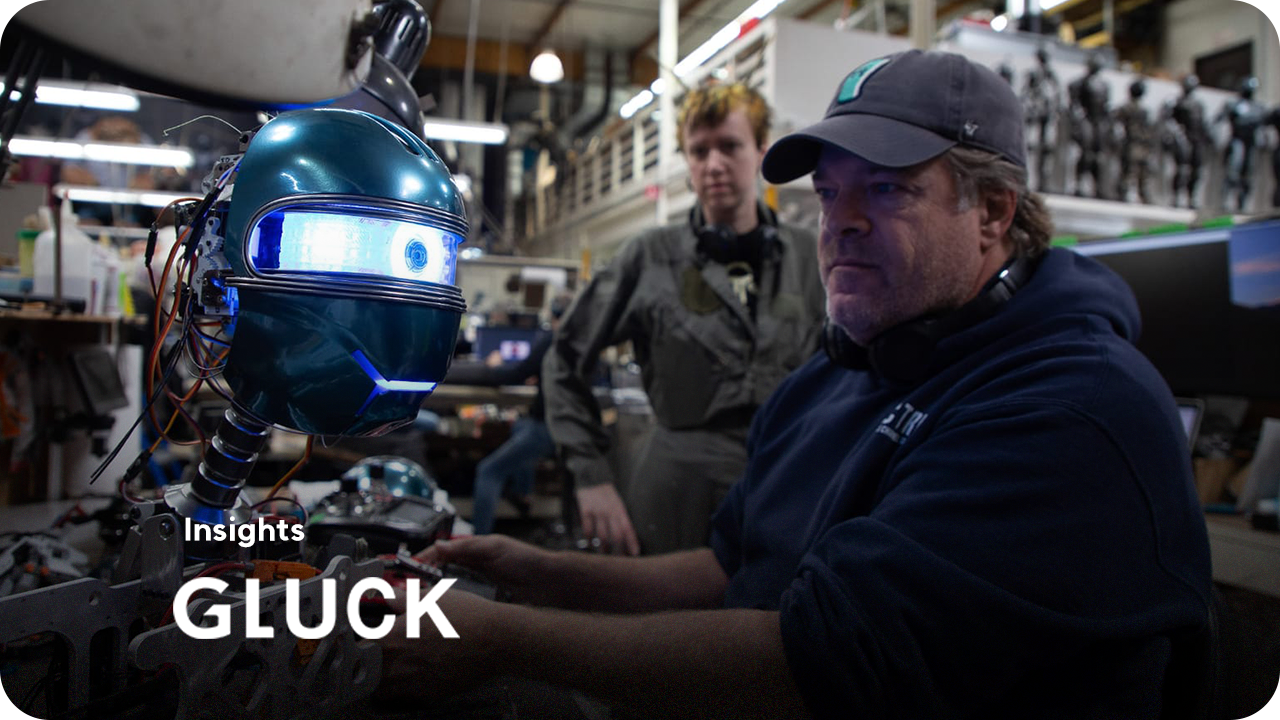
최근 뉴스나 SNS를 보면 하루가 멀다 하고 놀라운 소식들이 들려옵니다. 카페에서 커로봇이 커피를 내리는 모습이 일상이 되고, AGV(무인 운반 로봇)가 물류 창고에서 박스를 옮기며 휴머로이드 로봇이 우리 일상 속으로의 보급화되는 속도가 그 어느 때보다 빠르게 진행되고 있습니다.
불과 얼마 전까지만 해도 스크린 속 상상으로만 존재했던 기술들이 이제는 현실로 다가왔습니다. 특히 2025년 영화 슈퍼맨에서 관객들을 매료시켰던 고기능 휴머노이드 로봇과 인간의 신체 능력을 확장하는 웨어러블 로봇은, 더 이상 영화적 상상력에 머무르지 않습니다. 오늘날 이 기술들은 실제 산업과 일상 속에서 사람과 함께 작동하는 수준까지 발전하며, 로봇 기술의 성숙도를 보여주고 있습니다.
영화 산업의 전설적인 특수효과 스튜디오, 레거시 이펙츠(Legacy Effects)가 영화 <슈퍼맨>(2025) 제작 과정에서 보여준 모습 로봇 공학 및 제조 업계에 거대한 시사점을 던졌습니다. 과거에는 단순한 시각적 소품 제작용으로만 여겨졌던 3D프린팅 기술이, 이제는 고도의 메커니즘을 가진 휴머노이드 로봇과 인체의 움직임을 보조하는 착용형 웨어러블 로봇 제조에 최종적으로 적용되고 있음을 보여주었습니다.
영화 <슈퍼맨>의 휴머노이드 로봇, Gary
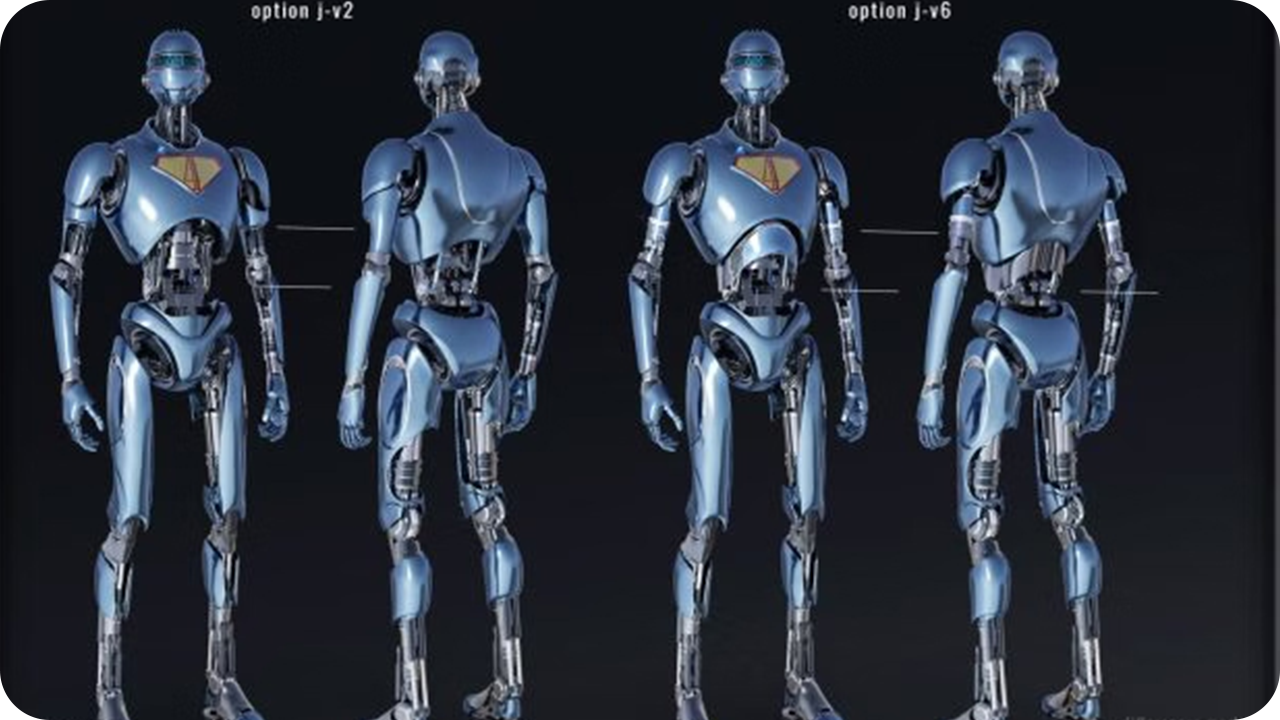
최근 글로벌 로봇 시장의 가장 큰 숙제는 얼마나 정밀하고 가벼운 부품을 신속하게 공급하느냐 입니다. 영화 <슈퍼맨>의 '고독의 요새'에 등장하는 휴머노이드 로봇들, 특히 Gary는 인간과 유사한 독립적인 머리 움직임과 가동형 안구, 그리고 실제로 물건을 집을 수 있는 그리퍼를 갖춰야 했습니다.
기존 방식으로 이런 구조를 만들려면 금속 부품을 정밀하게 가공한 뒤, 복잡한 조립 과정을 거쳐야 했습니다. 문제는 이 과정이 비용도 많이 들고, 무게도 무거워진다는 점입니다. 이를 극복하기 위해 레거시 이펙츠는 3D프린팅을 통해 로봇의 내부 브라켓과 관절을 제작함으로써 문제를 해결했습니다.
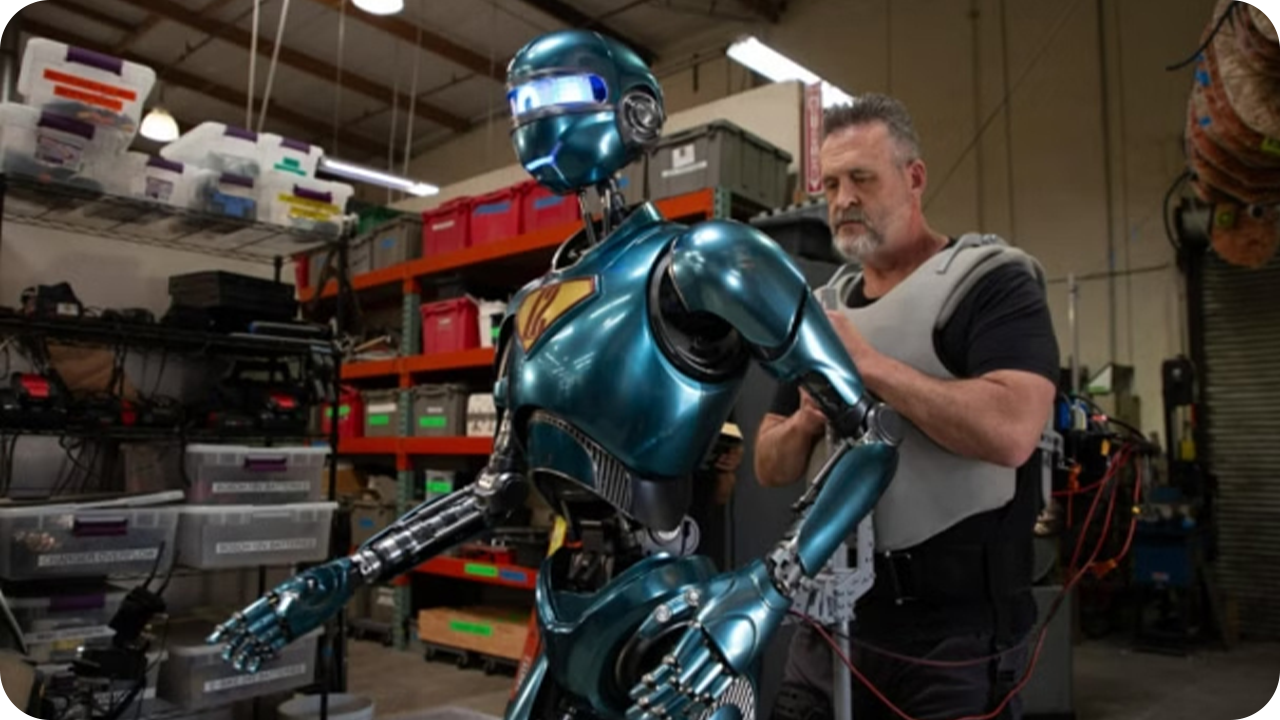
- 압도적인 경량화: 기존 금속 부품을 3D프린팅 파츠로 대체하여 로봇의 전체 질량을 획기적으로 줄였습니다. 이는 구동 모터의 부하를 낮추어 더욱 민첩하고 자연스러운 움직임을 가능하게 했습니다.
- 실시간 설계 반복: 엔지니어링 팀은 하루에 5~6번의 설계 수정을 거치며 오차 없는 부품을 완성했습니다. 설계를 수정하면 기다릴 필요 없이 바로 다시 출력해 테스트할 수 있었고, 하루에도 여러 번 부품을 개선할 수 있었습니다.
이 방식은 실제 휴머노이드 로봇 개발에도 그대로 적용될 수 있습니다. 설계를 바꾸고 곧바로 테스트할 수 있다는 점은, 로봇 개발 속도를 크게 높여주는 중요한 장점입니다.
사람의 능력을 확장하는 기술, 착용형 웨어러블 로봇
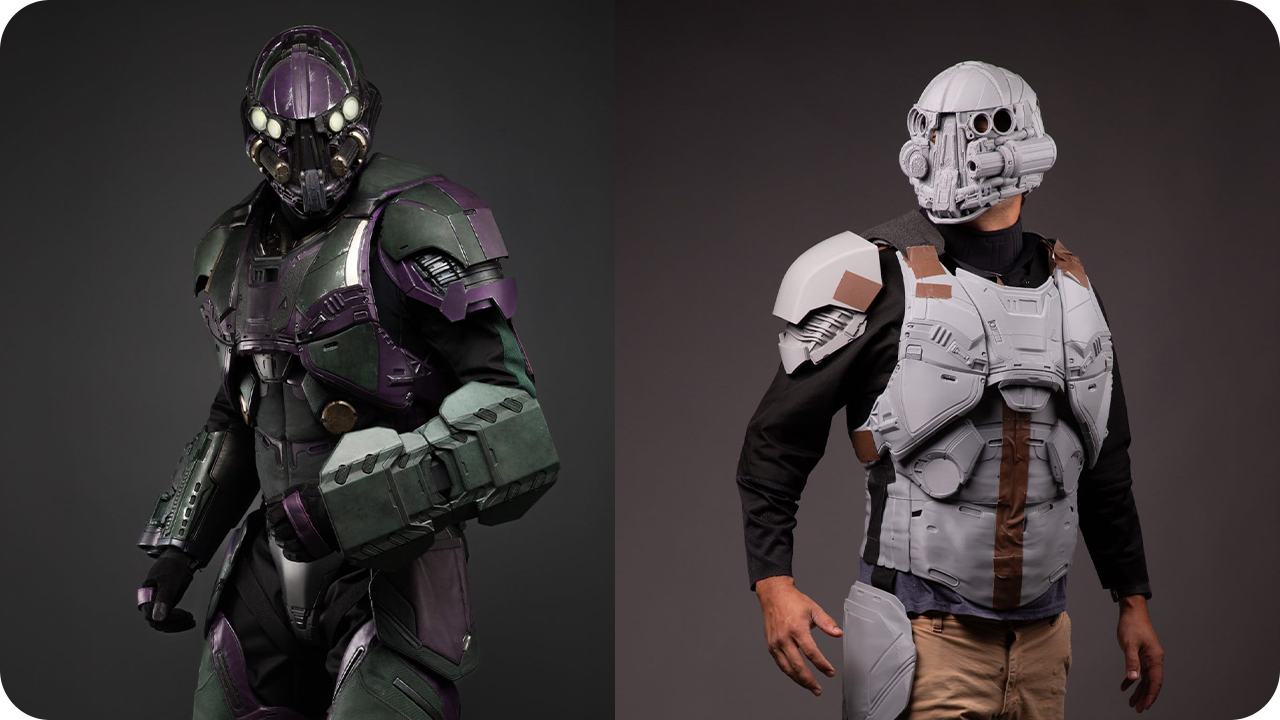
휴머노이드 로봇이 사람을 대신하는 기술이라면, 착용형 웨어러블 로봇은 사람의 움직임과 힘을 보조하는 기술입니다. 옷처럼 몸에 착용해 근력을 보완하거나 신체 기능을 도와주는 장치로, 의료·재활·산업·군사 등 여러 분야에서 빠르게 활용 범위가 넓어지고 있습니다.
이런 착용형 웨어러블 로봇의 개념은 영화 속에서도 자주 볼 수 있습니다. 영화 속 미스터 테리픽이 사용하는 ‘플라잉 체어(Flying Chair)’는 단순한 소품이 아니라, 앉은 자세와 선 자세를 자연스럽게 연결해주고, 배우가 의자로 지지를 받으면서 실제로 움직일 수 있도록 설계된 복잡한 구조물이었습니다. 이러한 특징은 실제 착용형 웨어러블 로봇이 지향하는 기능과도 맞닿아 있습니다.

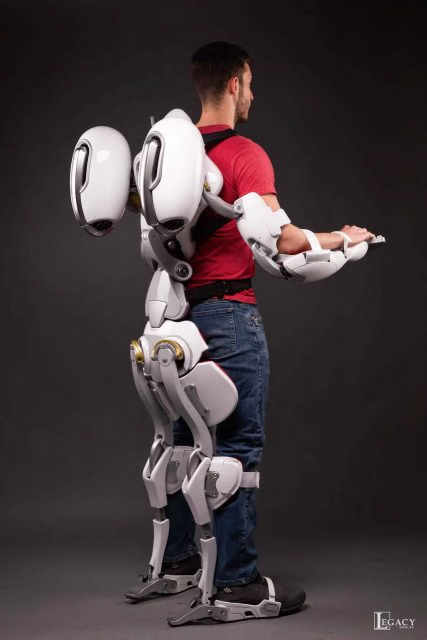
레거시 이펙츠는 이 웨어러블 체어의 주요 구조물을 3D프린팅으로 제작했습니다. 배우의 신체 데이터를 스캔하여 부품의 크기를 1mm 단위로 정밀하게 조절할 수 있었고, 덕분에 배우의 몸에 딱 맞는 완벽한 피팅감을 구현했습니다.
과거에는 수십 개의 작은 나사와 부품으로 연결해야 했던 복잡한 기계 장치들을, 3D프린팅을 활용해 하나의 일체형 부품으로 통합 제작했습니다. 부품 수가 줄어드니 조립은 훨씬 간결해졌고, 배우가 장시간 착용해도 흔들림으로 인한 불편함이 없도록 견고한 조립성을 확보할 수 있었습니다. 여기에 정교한 표면 가공까지 더해진 결과물은, 실제 공장에서 갓 생산된 완제품과 비교해도 손색없는 매끄러운 완성도를 보여주었습니다.
효율적인 로봇 제조 방식, SLA 3D 프린팅

레거시 이펙츠의 사례는 3D프린팅이 단순히 빠른 시제품 제작 수단에 그치지 않는다는 점을 보여줍니다. 디지털 설계 데이터를 실제 작동하는 부품으로 빠르게 연결해주는 효율적인 제조 방식으로 활용되고 있기 때문입니다.
영화 <슈퍼맨> 제작 사례는 3D프린팅이 단순한 소품 제작 기술이 아니라, 실제 움직이는 구조물과 로봇 시스템 제작에도 충분히 활용될 수 있다는 점을 보여줍니다. 그리고 이런 가능성은 실제 산업 현장에서는 산업용 SLA 3D프린팅을 통해 더욱 정밀하게 구현될 수 있습니다. 또한 표면 품질이 매우 매끄러워 외장 하우징, 센서 브라켓, 커버류 같은 부품도 별도의 복잡한 후가공 없이 최종 부품으로 활용할 수 있습니다. 복잡한 내부 구조를 정밀하게 구현할 수 있는 SLA 기술은 로봇을 더 가볍고, 더 정교하게 만들고자 하는 제조사에게 매우 현실적인 선택지입니다.
결국 3D프린팅은 로봇 개발 속도를 높이고, 설계 자유도를 넓히며, 실제 제품 수준의 부품 생산까지 가능하게 하는 제조 기술로 자리 잡고 있습니다. 복잡한 내부 구조를 완벽하게 구현하는 3D 프린팅 기술은 로봇의 경량화와 정밀함을 동시에 달성하고자 하는 제조사들에게 가장 현실적이고 효율적인 제조 솔루션입니다.
GLUCK은 반복 생산이 가능한 산업용 SLA 3D프린팅 인프라를 기반으로
로봇 개발과 양산 전환 과정에 필요한 3D프린팅 제조 솔루션을 지원하고 있습니다.
지금 글룩을 확인해보세요!
📩 글룩 홈페이지 & 온라인 견적: https://www.glucklab.com
📂 글룩 포트폴리오: 글룩 포트폴리오 확인하기
References
[1] 3DPrint.com, “Superman One Year Later and the 3D Printing You Didn’t Notice,” 3DPrint.com. (online article).
Link: https://3dprint.com/324893/superman-one-year-later-and-the-3d-printing-you-didnt-notice/
Superman 2025: Humanoids We Thought Were CG—The Reality of Living with Robots
Every day, news and social media are filled with astonishing breakthroughs. From robotic baristas serving coffee to AGVs (Automated Guided Vehicles) navigating logistics warehouses, humanoid robots are integrating into our daily lives at an unprecedented pace.
Technologies that were once confined to the silver screen are now our reality. In particular, the high-performance humanoids and strength-enhancing wearable robots that captivated audiences in the 2025 film Superman are no longer just products of cinematic imagination. Today, these technologies have matured to the point where they operate alongside humans in actual industrial and everyday settings.
Legacy Effects, the legendary special effects studio, has provided profound insights into the robotics and manufacturing industries through their work on Superman (2025). They demonstrated that 3D printing—once viewed merely as a tool for creating visual props—is now being applied to the final production of complex humanoid mechanisms and wearable robots that assist human movement.
Gary, the Humanoid Robot from Superman
A major challenge in the global robotics market today is the rapid supply of precise yet lightweight components. The humanoid robots featured in Superman’s "Fortress of Solitude," particularly the character Gary, required independent head movements, functional eyes, and grippers capable of actually picking up objects.
Traditionally, constructing such a mechanism required precision-machined metal parts and complex assembly processes. However, this approach is costly and adds significant weight. Legacy Effects overcame these hurdles by using 3D printing to manufacture the robot’s internal brackets and joints.
- Drastic Weight Reduction: By replacing traditional metal components with 3D-printed parts, the robot's total mass was significantly reduced. This lowered the load on the drive motors, enabling more agile and natural movements.
- Real-time Design Iteration: The engineering team performed 5 to 6 design revisions per day to achieve zero-error components. Since redesigned parts could be printed and tested immediately, the team was able to refine the robot multiple times in a single day.
This methodology can be directly applied to real-world humanoid development. The ability to modify a design and test it instantly is a critical advantage that dramatically accelerates the speed of robot development.
Wearable Robots: Technology That Expands Human Capability
While humanoid robots replace human labor, wearable robots assist and augment human movement and strength. Designed to be worn like clothing, these devices support muscle power and physical functions, and their use is rapidly expanding across medical, rehabilitation, industrial, and military sectors.
This concept of wearable robotics is a frequent theme in cinema. In the film, the "Flying Chair" used by Mr. Terrific was not just a static prop; it was a complex structure designed to transition naturally between sitting and standing positions while supporting the actor’s movement. This functionality aligns perfectly with the goals of real-world wearable robotics.


Legacy Effects manufactured the primary structures of this wearable chair using 3D printing. By scanning the actor’s body, they were able to adjust component dimensions with 1mm precision, achieving a perfect fit. Complex mechanical devices that previously required dozens of screws and connectors were integrated into single-piece 3D-printed parts. This reduction in part count simplified assembly and ensured structural integrity, preventing discomfort for the actor during long hours of filming. The result, finished with high-precision surface processing, boasted a level of completion comparable to high-end mass-produced products.
The Efficient Choice for Robot Manufacturing: SLA 3D Printing
The success of Legacy Effects proves that 3D printing is no longer just a rapid prototyping tool. It has evolved into an efficient manufacturing method that bridges the gap between digital design and functional, real-world components.
The production of Superman demonstrates that 3D printing is fully capable of creating moving structures and robotic systems. In industrial settings, these possibilities are realized even more precisely through industrial SLA 3D printing.
The smooth surface quality of SLA allows for the production of exterior housings, sensor brackets, and covers that can be used as end-use parts without the need for complex post-processing. For manufacturers aiming to make robots lighter and more sophisticated, SLA technology—capable of realizing complex internal geometries—is the most practical choice.
Ultimately, 3D printing has established itself as a core manufacturing technology that increases development speed, expands design freedom, and enables the production of end-use parts.
For manufacturers seeking to achieve both lightweight construction and high precision, 3D printing is the most efficient and realistic manufacturing solution available today.
GLUCK provides 3D printing manufacturing solutions for robot development and mass production transitions, powered by an industrial SLA 3D printing infrastructure capable of repeatable production.
Discover GLUCK today!
📩 GLUCK Website & Online Quote: https://www.glucklab.com
📂 GLUCK Portfolio: [View our Portfolio]
References
[1] 3DPrint.com, “Superman One Year Later and the 3D Printing You Didn’t Notice,” 3DPrint.com. (online article).
Link: https://3dprint.com/324893/superman-one-year-later-and-the-3d-printing-you-didnt-notice/
#GLUCK #글룩 #Superman2025 #HumanoidRobot #WearableRobotics #LegacyEffects #3DPrinting #AdditiveManufacturing #SLA3DPrinting #RoboticsDesign #FutureTech #DigitalManufacturing #슈퍼맨2025 #휴머노이드 #웨어러블로봇 #3D프린팅 #로봇제조 #경량화
'인사이트 (Insights)' 카테고리의 다른 글
| 3D프린팅으로 배포된, 영화 '프로젝트 헤일메리' 외계인 로키! (3) | 2026.04.30 |
|---|---|
| 34g 초소형 비행 로봇 벌, 3D프린팅으로 제작한 드론 수십 마리 (1) | 2026.04.08 |
| 로봇 산업의 성장, 3D프린팅이 로봇 부품 양산까지 연결되는 방식 (0) | 2026.03.16 |
| 3D프린팅 조명 제조 방식, 글로벌 조명 브랜드들이 선택한 이유 (0) | 2026.03.10 |
| 누구나 카메라를 만들 수 있는 시대 : 3D프린팅으로 탄생한 필름 카메라 'Infidex' (0) | 2026.02.27 |