

최근 로봇 산업은 그 어느 때보다 뜨거운 관심을 받고 있습니다. 과거의 단순한 가정용 로봇 청소기의 시대를 지나, 이제는 인간의 형태를 닮은 휴머노이드 로봇이 다시금 기술 혁신의 중심에 섰습니다. 고령화, 노동력 부족, 인건비 상승과 같은 산업 환경 변화 속에서 로봇은 생산성과 운영 효율을 보완하는 수단으로 다시 주목받고 있습니다.
이와 함께 로봇 개발 방식도 달라지고 있습니다. 특히 복잡한 형상, 경량화, 부품 일체화가 중요한 로봇 부품 분야에서는 산업용 3D프린팅 활용이 점차 확대되는 흐름이 나타나고 있습니다.
오카도(Ocado): 50%가 3D프린팅으로 제작된 로봇
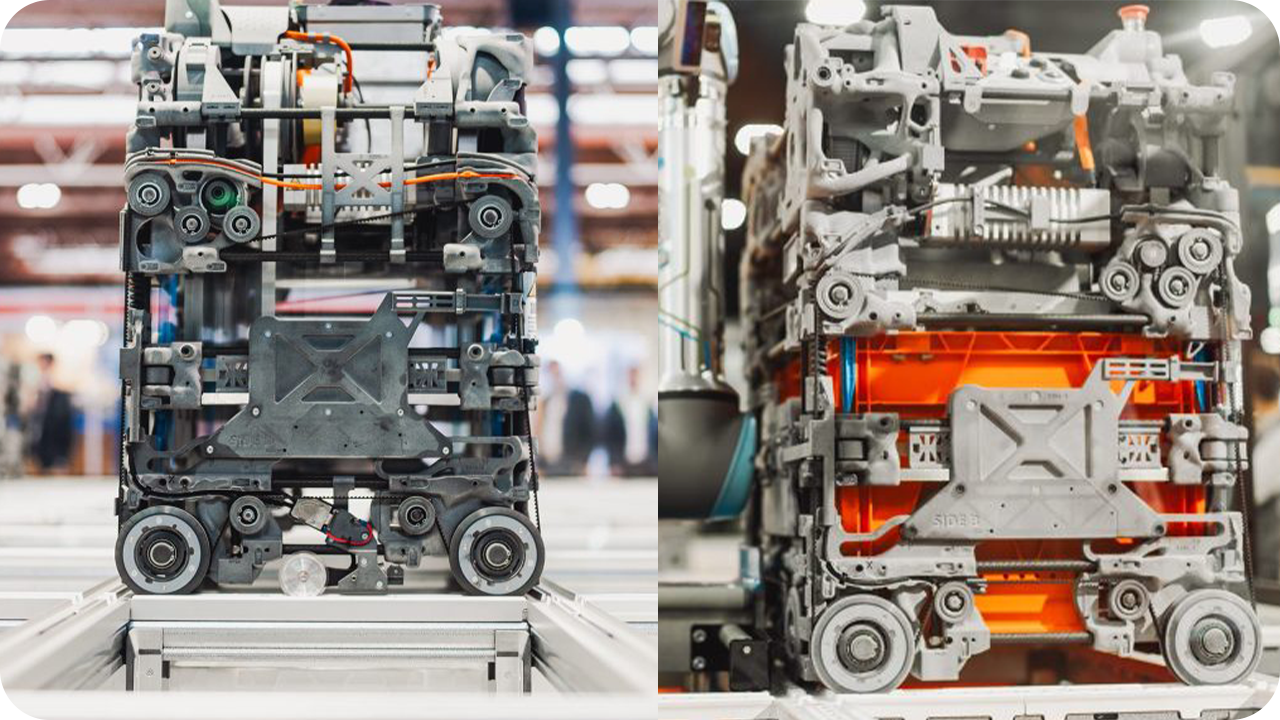
로봇 제조 현장에서 3D프린팅이 얼마나 강력한 위력을 발휘하는지 보여주는 가장 상징적인 사례는 영국의 온라인 식료품 기업 '오카도(Ocado)'의 물류 로봇입니다. 오카도는 자신들의 창고 자동화 시스템(OSRS)을 위해 맞춤형 군집 로봇을 개발했는데, 놀랍게도 이 로봇 구성 부품의 50%가 3D프린팅으로 제작되었습니다.
이 로봇은 초당 4미터라는 엄청난 속도로 이동하며, 1분 미만의 충전 시간으로 가동되는 초경량 시스템입니다. 오카도제작에서 3D프린팅을 선택한 이유는 아래와 같다고 설명합니다.
- 경량화 설계: 로봇의 기동성과 에너지 효율을 높이기 위해 3D프린팅 경량화 설계 적용
- 부품 통합: 여러 개의 부품을 하나로 합치는 설계를 통해 조립 부담을 줄이고 구조 효율을 높임
- 생산 유연성: 필요한 사양의 부품을 빠르게 제작하고, 설계 변경에도 유연하게 대응
아이언(Iron): 휴머노이드 로봇의 손과 관절 부품에 적용되는 3D프린팅
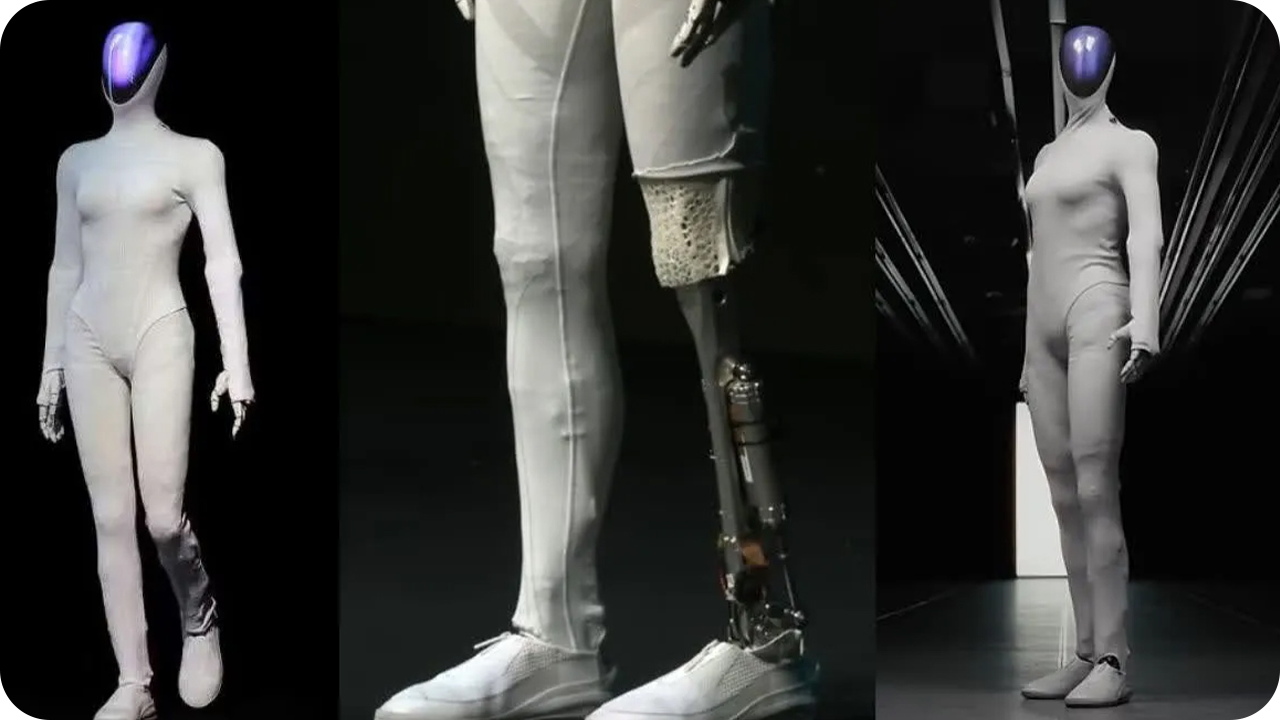
휴머노이드 로봇 제작에서 가장 난도가 높은 부품은 인간의 손을 닮은 그리퍼와 관절 부위입니다. 이 분야에서 최근 가장 주목받는 사례는 중국의 전기차 및 로봇 기업인 Xpeng의 휴머노이드 로봇 아이언(Iron)입니다.
아이언 로봇은 내부를 재료로 가득 채우는 대신, 복잡한 격자 구조를 적용했습니다. 이를 통해 하중을 견디는 강성은 유지하면서도 부품의 무게를 줄여 배터리 효율과 기동성 향상에 대응했습니다. 이 과정에서 정밀한 격자 구조 구현에 유리한 SLA 3D프린팅 방식이 활용되며, 가볍고도 구조적으로 안정적인 부품 설계가 가능해집니다.
- SLA 3D프린팅 활용 : SLA 프린팅은 액체 레진을 빛으로 굳혀가며 만들기 때문에, 아주 얇은 두께와 미세한 간격까지 정교하게 구현할 수 있습니다.
- 복잡한 기능성 구조: 손가락 마디마디와 관절 내부에 미세한 통로나 유압 시스템을 별도의 조립 없이 일체형으로 출력했습니다. 이는 부품 간 유격을 없애 누수를 방지하고 전체 크기를 최소화하는 결정적인 역할을 합니다.
- 맞춤형 및 신속 생산: 특정 작업에 최적화된 그리퍼나 보조용 핸드 등 저용량 고사양 부품을 데이터 수정만으로 신속하게 생산하여 실제 양산 모델에 적용하고 있습니다.
로봇 산업의 폭발적인 투자와 협동 로봇의 양산

최근 로봇 산업에는 대형 투자가 이어지며 시장이 빠르게 확대되고 있습니다. 대표적으로 X Square Robot은 알리바바 클라우드가 주도한 대규모 투자 라운드를 유치하며 주목을 받았습니다. 이런 흐름은 로봇 기업들이 단순 시제품 제작을 넘어, 실제 적용과 초기 양산 단계까지 더 빠르게 검토하게 만드는 배경이 되고 있습니다.
이 과정에서 3D프린팅도 역할이 달라지고 있습니다. 과거에는 주로 프로토타입 제작에 활용됐다면, 이제는 초기 양산 부품이나 기능성 부품 생산까지 적용 범위가 넓어지고 있습니다. 특히 초기 시장에서는 수요가 불확실한 만큼 필요한 수량만 먼저 생산할 수 있는 방식이 더 유리할 수 있습니다. 여기에 테스트 결과나 시장 반응을 반영해 설계를 빠르게 수정할 수 있다는 점도 3D프린팅의 강점입니다.
저가형 로봇에 들어가는 그리퍼나 모터 주변 부품들은 이제 합리적이면서도 견고한 3D프린팅 부품으로 빠르게 대체되고 있습니다. 이는 새로운 로봇 스타트업들이 시장에 진입하는 문턱을 낮추어 주며, 로봇 시장의 성장을 가속화하고 있습니다.
글룩(GLUCK), 3D프린팅 전문 솔루션으로 산업 연구개발의 속도를 바꾸다
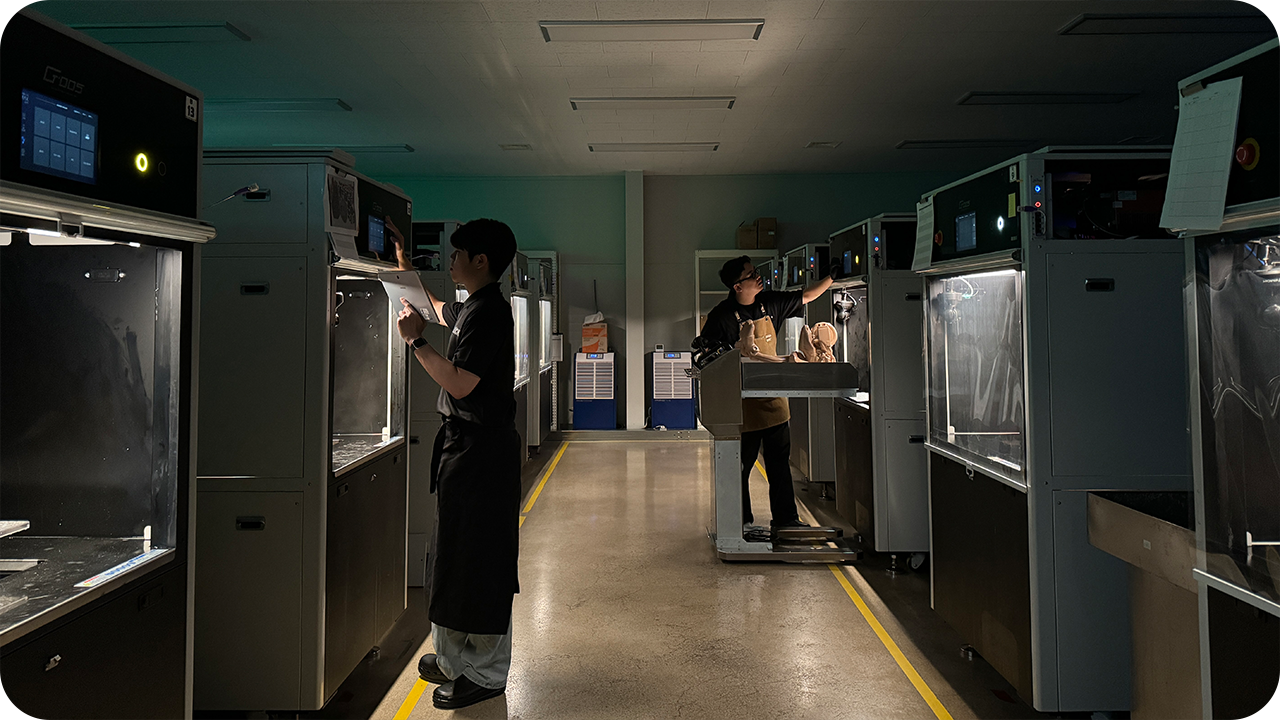
국내 최대 규모의 산업용 3D프린팅 제조 서비스 기업 글룩은 약 40기의 산업용 SLA 장비를 보유한 스마트 팩토리를 통해 로봇 산업의 혁신을 지원합니다.
SLA 3D프린팅 기반 대량생산
최대 ±50μm 수준의 정밀도로 센서 하우징, 복잡한 기어 등 핵심 부품을 수천 개 단위로 양산할 수 있습니다.
최종 부품 수준의 기능성 프로토타입
최종 부품과 동일한 수준의 정밀도와 높은 내구성을 갖추고 있어, 실제 환경과 유사한 조건에서 기능 및 성능 테스트가 가능합니다.
DfAM 설계 컨설팅
부품 통합 및 경량화 등 산업용 3D프린팅의 장점을 극대화할 수 있는 적층 제조 특화 설계 솔루션을 제공하여 연구개발의 효율을 높입니다.
글룩의 다양한 로봇 제조 사례와 인사이트를 확인해보세요!
SLA 3D프린팅, 로봇 제조의 ‘맞춤형 대량생산’ 시대를 열다
SLA 3D프린팅, 로봇 제조의 ‘맞춤형 대량생산’ 시대를 열다
최근 전 세계적으로 로봇 산업이 빠르게 성장함에 따라, 이를 뒷받침할 제조 기술에 대한 관심도 뜨겁습니다. 그중에서도 특히 폴리머 SLA(광경화 수지 조형) 3D 프린팅 기술이 주목받고 있는데,
gluckblog.com
GLUCK은 반복 생산이 가능한 산업용 3D프린팅 인프라를 기반으로
로봇 개발과 양산 전환 과정에 필요한 3D프린팅 제조 솔루션을 지원하고 있습니다.
지금 글룩을 확인해보세요!
📩 글룩 홈페이지 & 온라인 견적: https://www.glucklab.com
📂 글룩 포트폴리오: 글룩 포트폴리오 확인하기
The Core Solution for Humanoid and Robot Mass Production
Recently, the robot industry has been receiving more attention than ever before. Moving beyond the era of simple domestic robot vacuums, humanoid robots that resemble the human form have once again become the center of technological innovation. Amid changes in the industrial environment—such as aging populations, labor shortages, and rising labor costs—robots are being spotlighted again as a means to supplement productivity and operational efficiency.
Along with this, the methods of robot development are also changing. Particularly in the field of robot parts, where complex shapes, lightweighting, and part integration are critical, there is a growing trend of expanding the use of industrial 3D printing.
Ocado: A Robot Where 50% is Made via 3D Printing
The most symbolic example showing how powerful 3D printing can be in robot manufacturing is the logistics robot from the British online grocery company, Ocado. Ocado developed a custom swarm robot for their warehouse automation system, and 50% of the components of this robot were manufactured via 3D printing. This robot is an ultra-lightweight system that moves at a tremendous speed of 4 meters per second and operates with a charging time of less than one minute. Ocado’s reason for choosing 3D printing was clear:
- Lightweight Design: Applied 3D printing lightweight design to improve robot mobility and energy efficiency.
- Part Integration: Reduced assembly burden and improved structural efficiency by designing multiple parts into a single integrated unit.
- Production Flexibility: Rapidly manufactured parts with required specifications and flexibly responded to design changes.
Iron: 3D Printing Applied to Humanoid Robot Hands and Joint Parts
The most difficult parts to manufacture in humanoid robot production are the grippers and joints that resemble human hands. A case receiving significant attention recently in this field is the humanoid robot "Iron" from Xpeng, a Chinese electric vehicle and robotics company.
The Iron robot applied a complex lattice structure instead of filling the interior with solid material. Through this, it maintained the stiffness to withstand loads while reducing the weight of the parts, addressing battery efficiency and mobility improvements. In this process, the SLA 3D printing method, which is advantageous for implementing precise lattice structures, was utilized, enabling the design of parts that are both light and structurally stable.
- Utilization of SLA 3D Printing: Since SLA printing works by curing liquid resin with light, it can precisely implement very thin thicknesses and minute intervals.
- Complex Functional Structures: Micro-channels or hydraulic systems inside the finger segments and joints were printed as a single integrated piece without separate assembly. This plays a decisive role in eliminating tolerances between parts to prevent leaks and minimizing the overall size.
- Customized and Rapid Production: Low-volume, high-specification parts—such as grippers optimized for specific tasks or auxiliary hands—are being rapidly produced through simple data modifications and applied to actual mass-production models.
Explosive Investment in the Robot Industry and Mass Production of Collaborative Robots
Large-scale investments are continuing in the robot industry, and the market is expanding rapidly. Representatively, X Square Robot drew attention by attracting a large-scale investment round led by Alibaba Cloud. This trend serves as a background for robot companies to review actual applications and initial mass-production stages faster, moving beyond simple prototype production.
In this process, the role of 3D printing is also changing. While it was mainly utilized for prototype production in the past, its scope of application is now widening to include initial mass-production parts and functional part production. Especially in early markets where demand is uncertain, a method that allows producing only the required quantity first can be more advantageous than large-scale mold investment. Another strength of 3D printing is the ability to quickly modify designs based on test results or market reactions.
Grippers and motor-related parts used in low-cost robots are now being rapidly replaced with affordable yet robust 3D-printed parts. This lowers the barrier to entry for new robot startups and accelerates the growth of the robot market.
GLUCK: Changing the Speed of Industrial R&D with Specialized 3D Printing Solutions
GLUCK, Korea's largest industrial 3D printing manufacturing service company, supports innovation in the robot industry through a smart factory equipped with approximately 40 industrial SLA machines.
- Mass Production Based on SLA 3D Printing: We can mass-produce core parts such as sensor housings and complex gears in units of thousands with a precision of up to ±50μm.
- End-use Part Level Functional Prototypes: Our prototypes possess the same level of precision and high durability as final parts, enabling function and performance tests under conditions similar to the actual environment.
- DfAM (Design for Additive Manufacturing) Consulting: We improve R&D efficiency by providing specialized design solutions for additive manufacturing, maximizing the advantages of industrial 3D printing such as part integration and lightweighting.
Check out GLUCK's various robot manufacturing cases and insights!
SLA 3D Printing: Opening the Era of 'Customized Mass Production' in Robot Manufacturing
SLA 3D프린팅, 로봇 제조의 ‘맞춤형 대량생산’ 시대를 열다
최근 전 세계적으로 로봇 산업이 빠르게 성장함에 따라, 이를 뒷받침할 제조 기술에 대한 관심도 뜨겁습니다. 그중에서도 특히 폴리머 SLA(광경화 수지 조형) 3D 프린팅 기술이 주목받고 있는데,
gluckblog.com
GLUCK supports the 3D printing manufacturing solutions required in the process of robot development and transition to mass production based on an industrial 3D printing infrastructure capable of repetitive production.
Check out GLUCK now!
📩 GLUCK Website & Online Quote: https://www.glucklab.com
📂 GLUCK Portfolio: [Check Gluck Portfolio]
References
[1] 3DPrint.com, “Will Growth in Robotics Spawn More 3D Printing?,” 3DPrint.com. (online article).
Link: https://3dprint.com/322846/will-growth-in-robotics-spawn-more-3d-printing/
#글룩 #GLUCK #3D프린팅 #산업용3D프린팅 #휴머노이드 #로봇제조 #샤오펑IRON #XPengIRON #피지컬AI #SLA3D프린팅 #로봇근육 #로봇양산 #DfAM #스마트팩토리 #로봇경량화 #Ocado로봇 #제조혁신 #SLA3DPrinting #HumanoidRobotics #MassProduction #SmartFactory #2026기술트렌드 #LatticeStructure #RoboticsInnovation #DigitalManufacturing
'인사이트 (Insights)' 카테고리의 다른 글
| 34g 초소형 비행 로봇 벌, 3D프린팅으로 제작한 드론 수십 마리 (1) | 2026.04.08 |
|---|---|
| CG인 줄 알았던 슈퍼맨 2025 휴머노이드, 현실로 다가온 로봇과의 일상 (0) | 2026.04.02 |
| 3D프린팅 조명 제조 방식, 글로벌 조명 브랜드들이 선택한 이유 (0) | 2026.03.10 |
| 누구나 카메라를 만들 수 있는 시대 : 3D프린팅으로 탄생한 필름 카메라 'Infidex' (0) | 2026.02.27 |
| 룰루레몬 : 3D프린팅 인테리어로 구성된 뉴욕·밀라노 플래그십 매장 (0) | 2026.02.19 |