

지난 20년 가까이 3D프린팅(적층제조, AM) 장비 공급사들은 대부분 '기술 스펙'으로 경쟁해 왔습니다. 레이저 개수, 빌드 볼륨, 출력 속도, 공정 모니터링 같은 숫자가 곧 고객 가치의 대리 지표였습니다. 그런데 최근 이 업계 스스로 "AM 전략이 바뀌어야 한다"는 진단을 내놓기 시작했습니다.
전략 컨설팅사 AMPOWER의 Matthias Schmidt-Lehr가 3DPrint.com에 기고한 분석(*Sponsored 성격의 전문가 기고*)에 따르면, 2020년부터 2025년 사이 금속·폴리머 AM 장비 글로벌 매출은 41% 성장했지만, 그 성장의 분배가 바뀌었습니다. 중국 공급사의 점유율은 약 10%에서 26%로 올랐고, 미국 기반 공급사는 51%에서 34%로 떨어졌습니다. 전체 장비 매출 성장의 약 3분의 2를 중국 공급사가 가져갔는데, 그 무기는 더 뛰어난 기능 세트가 아니라 낮은 원가 구조와 빠른 반복 개발 속도였습니다.
여기서 발주사(부품을 맡기는 제조사)가 던져야 할 질문이 있습니다. 3D프린팅 제조 파트너를 고를 때, 우리는 무엇을 기준으로 삼아야 할까요? 이 글은 단순한 장비 매출 순위 이야기가 아니라, "출력 능력을 파는 시대"에서 "부품을 파는 시대"로 넘어가는 제조 파트너 선택의 문제로 읽어봅니다.
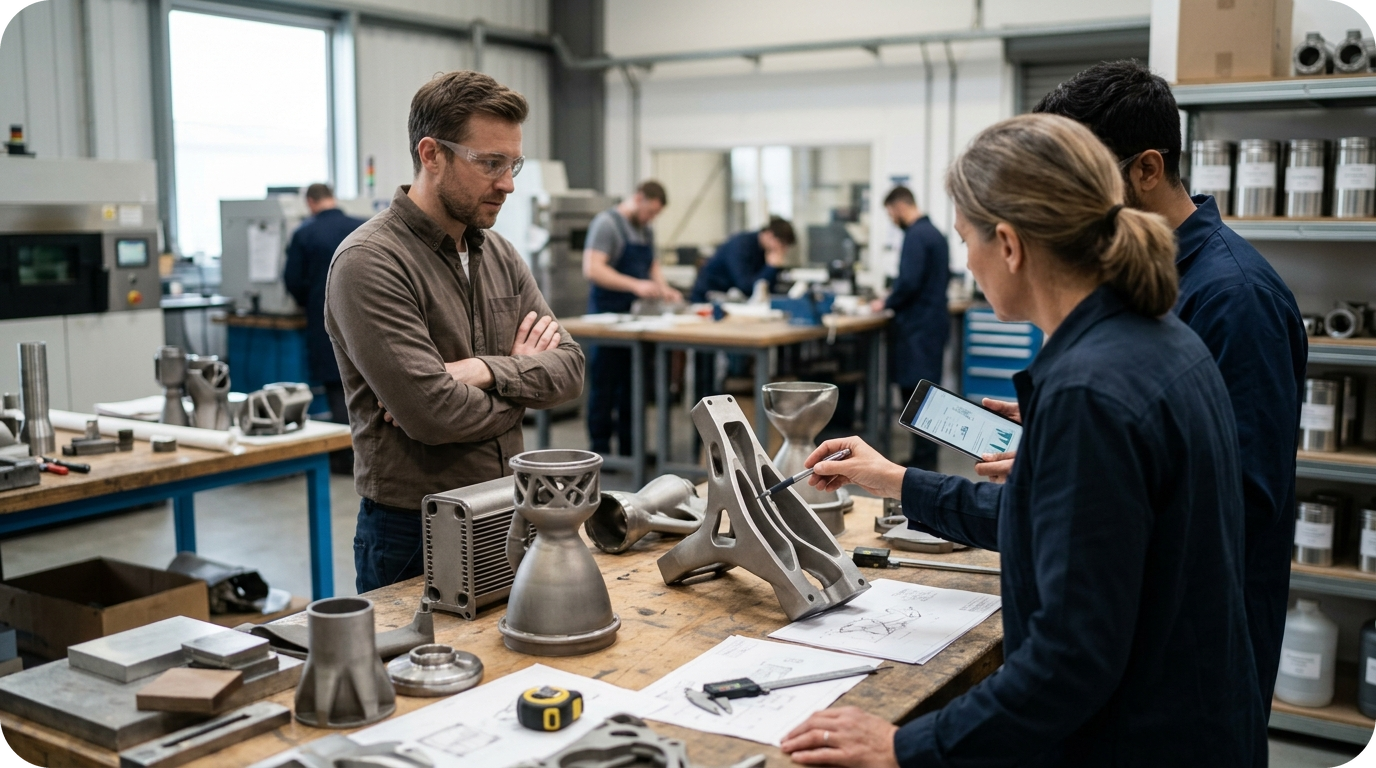
장비 스펙 경쟁의 한계 : 왜 '레이저 개수'로는 부족한가
AMPOWER의 분석은 흥미로운 지점을 짚습니다. 사용자(발주사) 입장에서 보면 공급 구조의 변화는 위협이라기보다 기회에 가깝다는 것입니다. AM 도입의 진짜 장벽은 "이 기술로 무엇을 만들 수 있는가"가 아니라 부품당 비용(cost per part)이었고, 그 비용의 큰 몫이 장비 감가상각이었기 때문입니다.
이 지점에서 제조 현장의 실제 고민이 드러납니다. 발주사가 서비스 업체를 고를 때 마주하는 문제는 스펙표에 없습니다.
- 양산 재현성 문제: 시연용 샘플 한 개는 완벽하게 나와도, 같은 품질로 수백·수천 개를 반복 생산해 납품할 수 있느냐는 전혀 다른 문제입니다. 장비 카탈로그의 출력 속도 숫자는 이 재현성을 보장하지 않습니다.
- 납기·수량 유연성 문제: 설계가 하루에도 몇 번씩 바뀌고, 필요한 수량이 초도 30개에서 반복 3,000개로 늘어나는 구간에서, "장비를 파는" 논리로 조직된 서비스는 이 요구를 감당하기 어렵습니다.
기존 스펙 경쟁 논리로는 "우리 장비가 더 빠르고 더 큽니다"까지만 답할 수 있습니다. 그런데 발주사가 실제로 사고 싶은 것은 장비가 아니라, 검증된 경로를 거쳐 안정적으로 도착하는 최종 부품입니다.
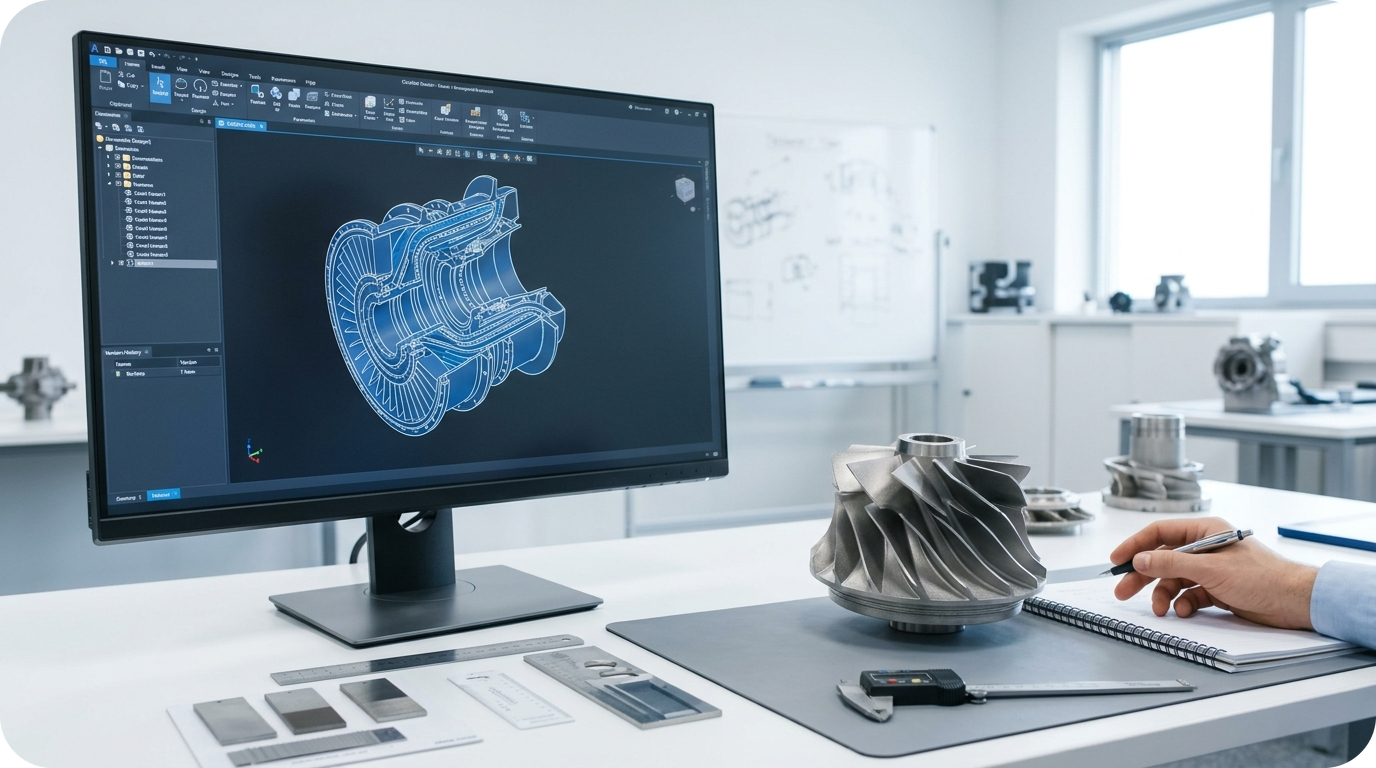
customer intimacy : 업계가 스스로 지목한 유일하게 남은 자리
AMPOWER는 Treacy와 Wiersema의 '세 가지 가치 규율'—운영 효율(operational excellence), 제품 리더십(product leadership), 고객 친밀도(customer intimacy)—을 AM 업계에 적용합니다. 그리고 서구 공급사에게 남은 자리가 좁아졌다고 진단합니다.
운영 효율(표준화된 제품·낮은 변형·최저 총비용)은 이미 원가 경쟁력을 갖춘 진영이 구조적으로 차지했습니다. 제품 리더십도 여전히 유효하지만, 기술적 우위가 복제되기까지의 창(window)이 몇 년 수준으로 짧아졌습니다. 그래서 남은 자리로 지목된 것이 고객 친밀도입니다.
여기서 말하는 고객 친밀도는 단순히 "친절한 서비스"가 아닙니다. 기술 플랫폼이 아니라 정의된 응용 분야와 고객 버티컬을 중심으로 회사를 조직하는 것을 뜻합니다. 부품 자체와 그 검증 경로, 원가 모델, 규제 환경을 고객보다 더 잘 이해하고, "파라미터가 세팅된 장비"가 아니라 "양산 부품에 이르는 검증된 경로"를 판매하는 방식입니다.
AMPOWER는 냉정한 한 줄을 덧붙입니다. 대부분의 서구 AM 공급사가 스스로를 "고객 중심"이라 소개하지만, 3년 뒤 매출을 책임질 10개의 응용 분야를 이름 댈 수 있는 곳은 훨씬 적다는 것입니다. 이 진단은 발주사에게 그대로 판별 기준이 됩니다. "우리 장비 좋습니다"라고 말하는 파트너와, "당신 부품을 이렇게 반복 생산해 납품하겠습니다"라고 말하는 파트너는 다릅니다.
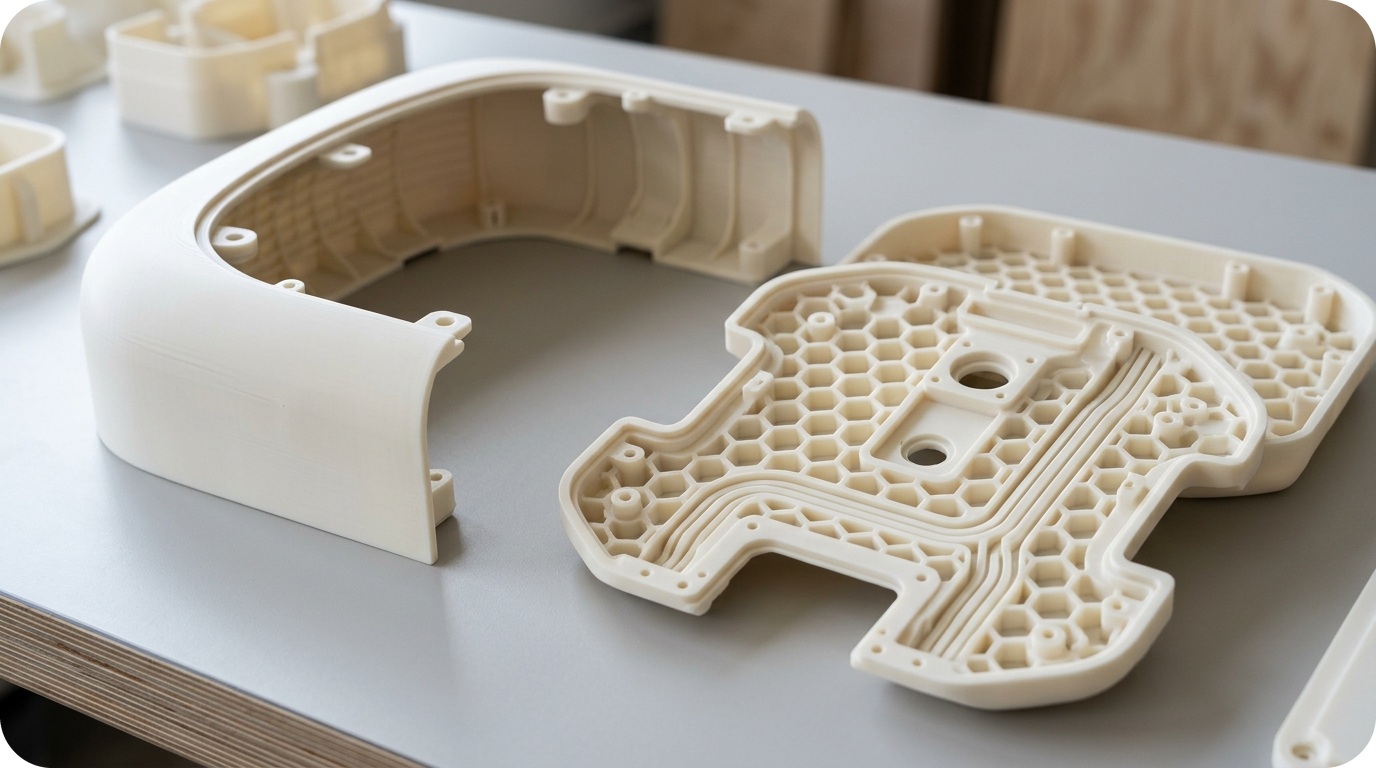
산업용 SLA 관점 : '출력 능력'이 아니라 '반복 생산 능력'을 파는 일
이 담론을 제조 현장으로 가져오면, 발주사가 파트너에게 확인해야 할 것은 스펙표가 아니라 양산 재현성·수량 유연성·납기 관리 세 가지로 좁혀집니다. 이는 실제 산업 현장에서 산업용 SLA 3D프린팅을 통해 구체적으로 검증할 수 있습니다.
GLUCK의 경우, 산업용 SLA 기준 정밀도 최대 ±0.05mm, 표면조도 Ra 0.8 수준을 유지하며, 후가공 시 사출품과 구별이 어려운 마감을 구현합니다. 이는 시연용 샘플 한 개가 아니라 로봇 외장 커버 소량 양산, 생산라인 지그·치구·검사구, 의료기기 하우징/커버처럼 동일 품질로 반복 납품해야 하는 부품에서 의미가 있습니다. 약 45기의 장비를 365일 24시간 운용하며 연 23만 개 이상을 생산하는 체계는, "장비 스펙"이 아니라 "반복 생산 능력"을 판다는 것이 무엇인지를 보여줍니다.
- 수량 유연 대응: 초도·브릿지 구간부터 반복 소량~중량 생산까지, 금형 없이 설계 변경을 그대로 반영하며 이어갈 수 있는 Flexible Series Production 구간이 SLA가 강한 자리입니다.
- 응용 중심의 검증: 부품의 형상·조립·표면 요구를 이해하고 양산 전환 경로를 함께 설계하는 방식이, AMPOWER가 말한 'application-centric' 모델의 실제 모습에 가깝습니다.
💡 다만 SLA가 모든 경우의 정답은 아닙니다. 수십만 개 이상의 동일 품목을 오래 반복 생산하는 초대량 구간이라면, 개당 단가 측면에서 사출 성형이 유리한 경우가 많습니다. 형상이 단순하고 저단가가 핵심인 부품, 고하중 금속 부품 역시 기존 공법이 더 맞습니다. 산업용 SLA는 '금형을 파기엔 수량·변경 리스크가 크고, 그렇다고 품질을 포기할 수 없는' 구간에서 유력한 선택지입니다.
결국 AM 업계가 스스로 내린 "전략이 바뀌어야 한다"는 진단의 핵심은, 발주사가 사야 할 것이 '출력 능력'이 아니라 '검증된 양산 경로'라는 사실입니다. 파트너를 고를 때 레이저 개수와 빌드 볼륨 대신, "내 부품을 같은 품질로 얼마나 반복해 납품할 수 있는가"를 묻는 것—그것이 이 변화가 발주사에게 주는 현실적인 기준입니다.
GLUCK은 반복 생산이 가능한 산업용 SLA 3D프린팅 인프라를 기반으로
제품 개발과 양산 전환 과정에 필요한 3D프린팅 제조 솔루션을 지원하고 있습니다.
지금 글룩을 확인해보세요!
📩 글룩 홈페이지 & 온라인 견적: https://www.glucklab.com
📂 글룩 포트폴리오: 글룩 포트폴리오 확인하기 (https://glucklab.com/bbs/bbs_list.php?code=portfolio)
References
[1] Matthias Schmidt-Lehr, "Achieving Customer Excellence in AM, Part I: Why AM Strategies Have to Change," 3DPrint.com (전문가 기고). Link: https://3dprint.com/330472/achieving-customer-excellence-in-am-part-i-why-am-strategies-have-to-change/
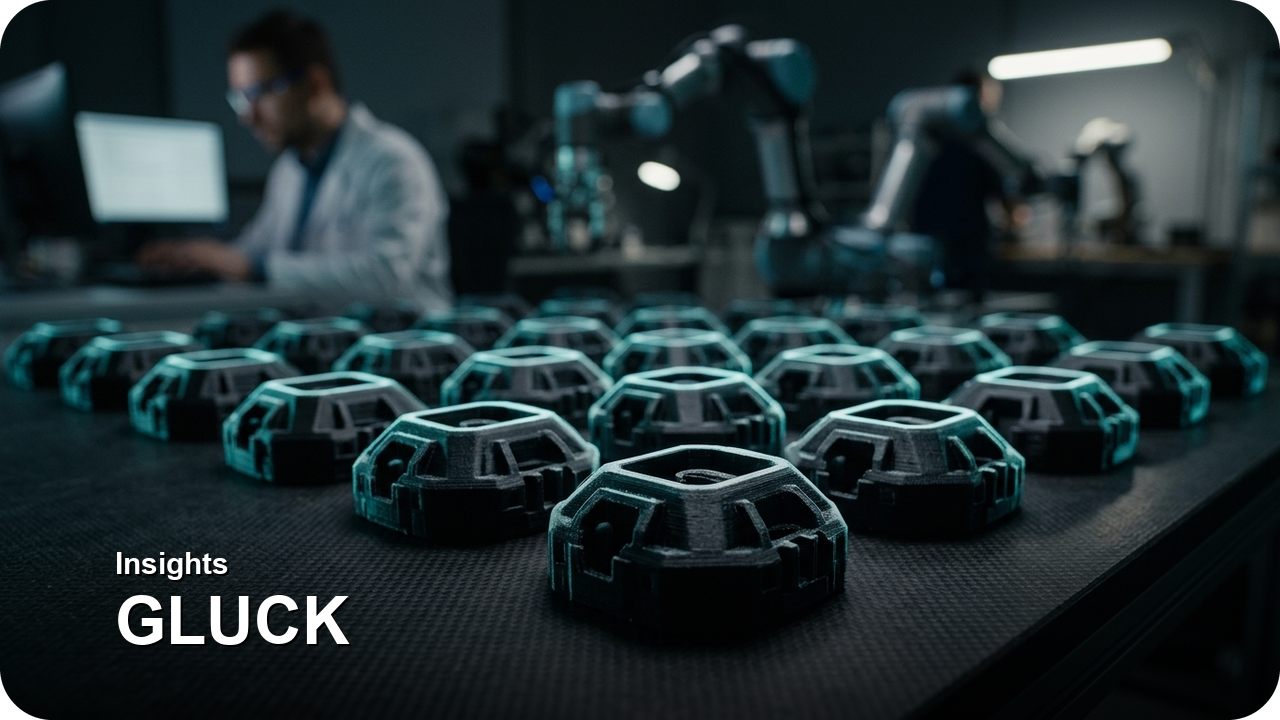
When a Machine-Spec Industry Diagnosed Itself: What Buyers Really Need to Purchase Is the Part
For nearly two decades, 3D printing (additive manufacturing, AM) equipment suppliers have competed mostly on "technical specs." Laser count, build volume, build rate, and process monitoring were the pitch—and for a long time a reasonable proxy for customer value. Recently, however, the industry itself has begun to diagnose that "AM strategies have to change."
According to an analysis by Matthias Schmidt-Lehr of the strategy advisory AMPOWER, contributed to 3DPrint.com (*an expert contribution, sponsored in nature*), global metal and polymer AM equipment revenue grew 41% between 2020 and 2025—but the distribution of that growth changed. Chinese suppliers moved from about 10% to 26% of global equipment revenue, while US-based suppliers fell from 51% to 34%. Chinese suppliers captured roughly two-thirds of all equipment revenue growth, winning not with a superior feature set but with a lower cost base and faster iteration speed.
Here is the question buyers (manufacturers who outsource parts) should ask. When choosing a 3D printing manufacturing partner, what should we use as our criterion? This is not merely a story of equipment revenue rankings, but a reading of partner selection as it moves from "selling output capability" to "selling the part."
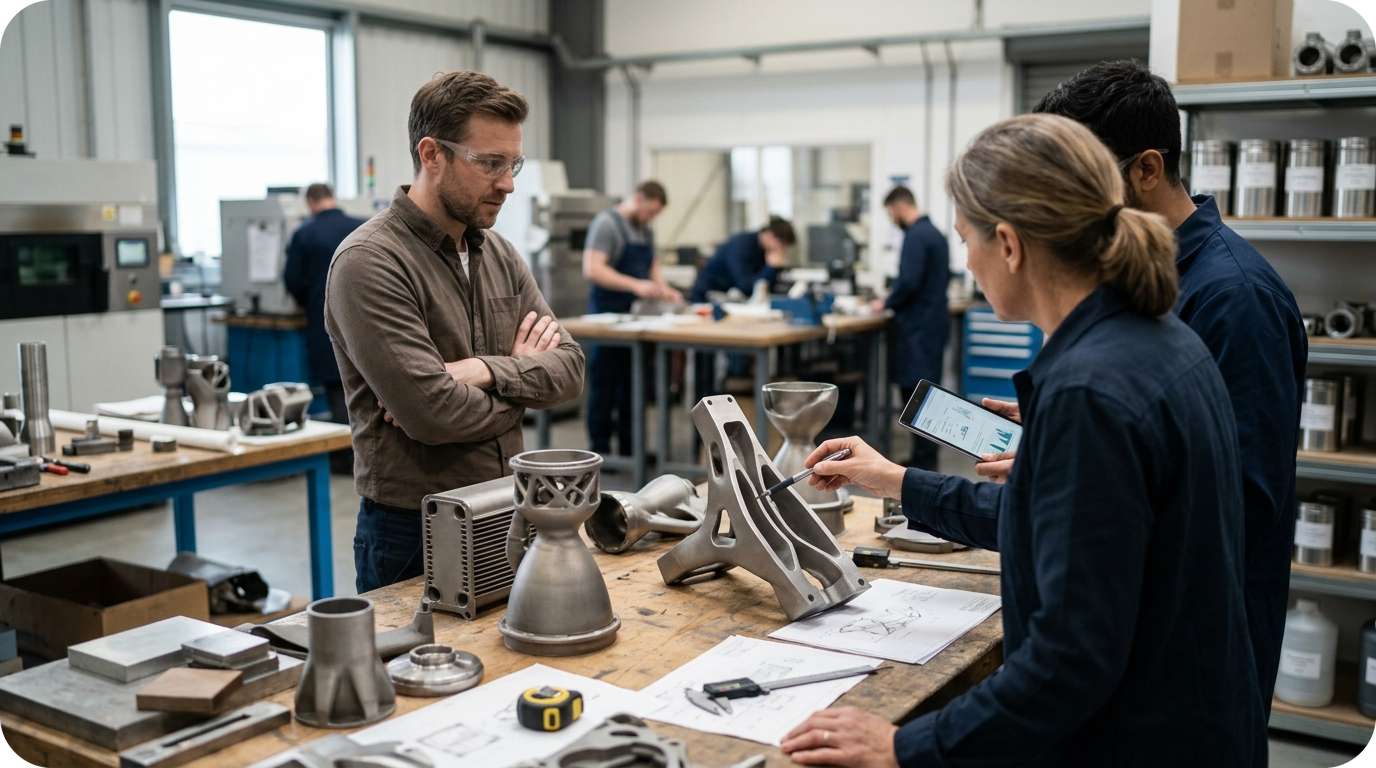
The Limits of Spec Competition: Why "Laser Count" Is Not Enough
AMPOWER's analysis makes an interesting point: from the user's perspective, the shift in supply is closer to an opportunity than a threat. The real barrier to AM adoption was never "what the technology can do," but cost per part—a large share of which is machine depreciation.
At this point, the real concerns of the manufacturing floor emerge. The problems a buyer faces when choosing a service provider are not on the spec sheet.
- Production repeatability: A single demo sample may come out flawlessly, yet whether the same quality can be repeatedly produced and delivered across hundreds or thousands of units is an entirely different matter. A catalog's build-rate number does not guarantee this repeatability.
- Delivery and volume flexibility: In a range where the design changes several times a day and required volume grows from an initial 30 to a repeated 3,000, a service organized around the logic of "selling machines" struggles to meet the demand.
The old spec-competition logic can only answer up to "our machine is faster and bigger." But what the buyer actually wants to purchase is not a machine—it is a final part that arrives reliably through a verified route.

Customer Intimacy: The Only Position the Industry Itself Points To
AMPOWER applies the "three value disciplines" of Treacy and Wiersema—operational excellence, product leadership, and customer intimacy—to the AM industry, diagnosing that the positions left for Western suppliers have narrowed.
Operational excellence (standardized products, low variants, lowest total cost) is already structurally occupied by cost-competitive players. Product leadership remains viable but the window between a genuine technical lead and its replication has shortened to a few years. What remains is customer intimacy.
Customer intimacy here is not simply "good service." It means organizing the company around a defined set of applications and customer verticals rather than a technology platform: understanding the part, its qualification path, cost model, and regulatory environment better than the customer does, and selling "a qualified route to a production part" rather than "a machine with a parameter set."
AMPOWER adds a blunt line: most Western AM suppliers describe themselves as customer-centric, but far fewer can name the ten applications that will carry their revenue three years out. This diagnosis becomes a direct criterion for buyers. A partner who says "our machines are great" differs from one who says "this is how I will repeatedly produce and deliver your part."
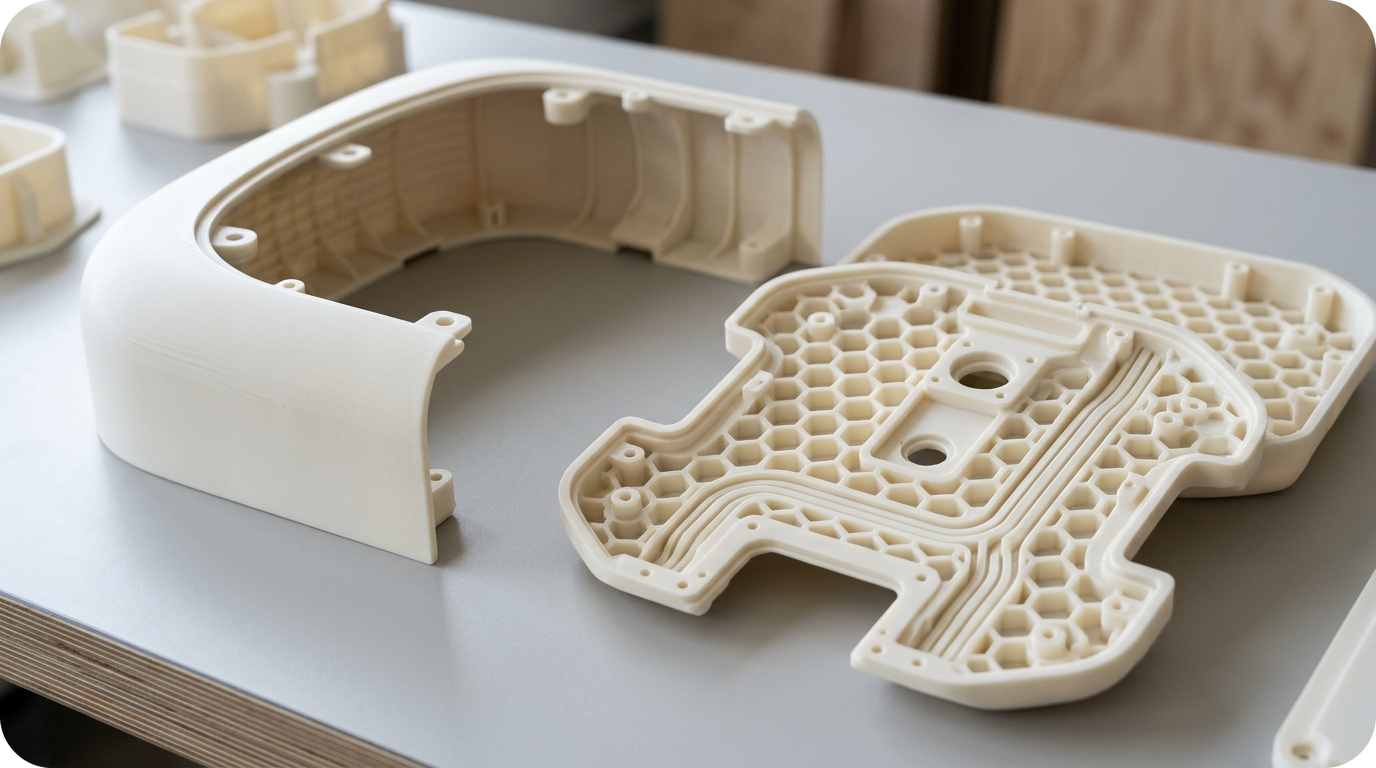
An Industrial SLA View: The Work of Selling "Repeatable Production," Not "Output Capability"
Bring this discourse to the manufacturing floor, and what a buyer should verify narrows to three things—not a spec sheet, but production repeatability, volume flexibility, and delivery management. These can be concretely verified in real industrial settings through industrial SLA 3D printing.
In GLUCK's case, industrial SLA maintains precision up to ±0.05mm and surface roughness around Ra 0.8, with finishing hard to distinguish from injection-molded parts. This matters not for a single demo sample but for parts that must be repeatedly delivered at identical quality—robot exterior covers in small-batch production, production-line jigs, fixtures and inspection tools, and medical device housings/covers. A system operating around 45 machines 24/7, 365 days a year, producing over 230,000 units annually, shows what it means to sell "repeatable production capability" rather than "machine specs."
- Flexible volume response: From pilot/bridge runs through repeated low-to-mid volume production, the ability to carry design changes forward without a mold is where SLA is strong—Flexible Series Production.
- Application-centric verification: Understanding a part's geometry, assembly, and surface requirements and co-designing its production-transition path is closer to the actual shape of the "application-centric" model AMPOWER describes.
💡 That said, SLA is not the answer in every case. For very high volumes of identical items produced over long runs, injection molding is often more favorable on per-unit cost. Simple-geometry, low-cost-priority parts and high-load metal parts also suit traditional methods better. Industrial SLA is a strong option in the range where "cutting a mold carries too much volume/change risk, yet quality cannot be compromised."
Ultimately, the core of the industry's self-diagnosis that "strategy must change" is this fact: what buyers should purchase is not "output capability" but "a verified production route." Choosing a partner by asking "how reliably can you repeatedly deliver my part at the same quality?" instead of laser count and build volume—that is the practical criterion this shift offers to buyers.
Based on an industrial SLA 3D printing infrastructure capable of repeatable production, GLUCK supports the 3D printing manufacturing solutions needed for product development and the transition to production.
Check out GLUCK now!
📩 GLUCK Website & Online Quote: https://www.glucklab.com
📂 GLUCK Portfolio: View the GLUCK Portfolio (https://glucklab.com/bbs/bbs_list.php?code=portfolio)
References
[1] Matthias Schmidt-Lehr, "Achieving Customer Excellence in AM, Part I: Why AM Strategies Have to Change," 3DPrint.com (expert contribution). Link: https://3dprint.com/330472/achieving-customer-excellence-in-am-part-i-why-am-strategies-have-to-change/
#글룩 #GLUCK #3D프린팅 #산업용3D프린팅 #SLA3D프린팅 #적층제조 #제조파트너 #양산 #반복생산 #DfAM #FlexibleSeriesProduction #AM전략 #3DPrinting #IndustrialSLA #AdditiveManufacturing #CustomerIntimacy #SeriesProduction #ManufacturingPartner
'인사이트 (Insights)' 카테고리의 다른 글
| 200kg 셸을 70kg으로 : 3륜 이탈리아 캠퍼가 노르카프까지 간 경량화 설계의 비밀 (0) | 2026.09.02 |
|---|---|
| 프린터 39만 대의 시대, 중국이 완성한 'AM 스택' 다음에 온 진짜 승부처 (1) | 2026.09.02 |
| 시속 320km 고속열차 앞부분을 금형 없이 만든 철도 회사 (0) | 2026.08.31 |
| 손에 딱 맞는다는 것 : 인간공학이 지그·핸들·그립 양산을 바꾸는 방식 (0) | 2026.08.31 |
| 3D프린팅 격자 패딩으로 뇌진탕 위험 77% 감소 (0) | 2026.08.31 |