
건축 뉴스를 보다 보면 '3D프린팅으로 지은 집'이라는 표현이 이제는 낯설지 않습니다. 그런데 최근 흥미로운 지점은 '집을 프린팅했다'가 아니라, 하나의 시스템으로 완전히 다른 집들을 찍어냈다는 데 있습니다. 형태도, 구조도, 공간의 성격도 전혀 다른 주택들이 같은 장비와 같은 공정에서 나온 것입니다.
미국의 건설 기술 기업 ICON은 하나의 건설 시스템(Vulcan) 위에서 서로 근본적으로 다른 '거주의 방식(modes of habitation)'을 제안하는 여러 주택 콘셉트를 3D프린팅으로 구현했습니다. 벽을 쌓는 장비와 공정은 동일하지만, 입력되는 설계 데이터를 바꾸는 것만으로 곡선형 유기적 구조부터 미니멀한 직선형까지 전혀 다른 결과물이 만들어졌습니다. 건축이라는 무거운 산업에서 '같은 공정, 다른 결과물'이 실제로 작동한 사례입니다.
여기서 자연스럽게 떠오르는 질문이 있습니다. 단일 생산 시스템으로 이렇게 다양한 형태를 양산하려면 무엇이 필요할까요? 이 물음은 건축만의 것이 아닙니다. 부품·제품을 만드는 제조 현장 전체가 오랫동안 붙들고 있던 딜레마와 정확히 맞닿아 있습니다. 이 글은 ICON의 사례를 제조 관점으로 다시 읽어봅니다.
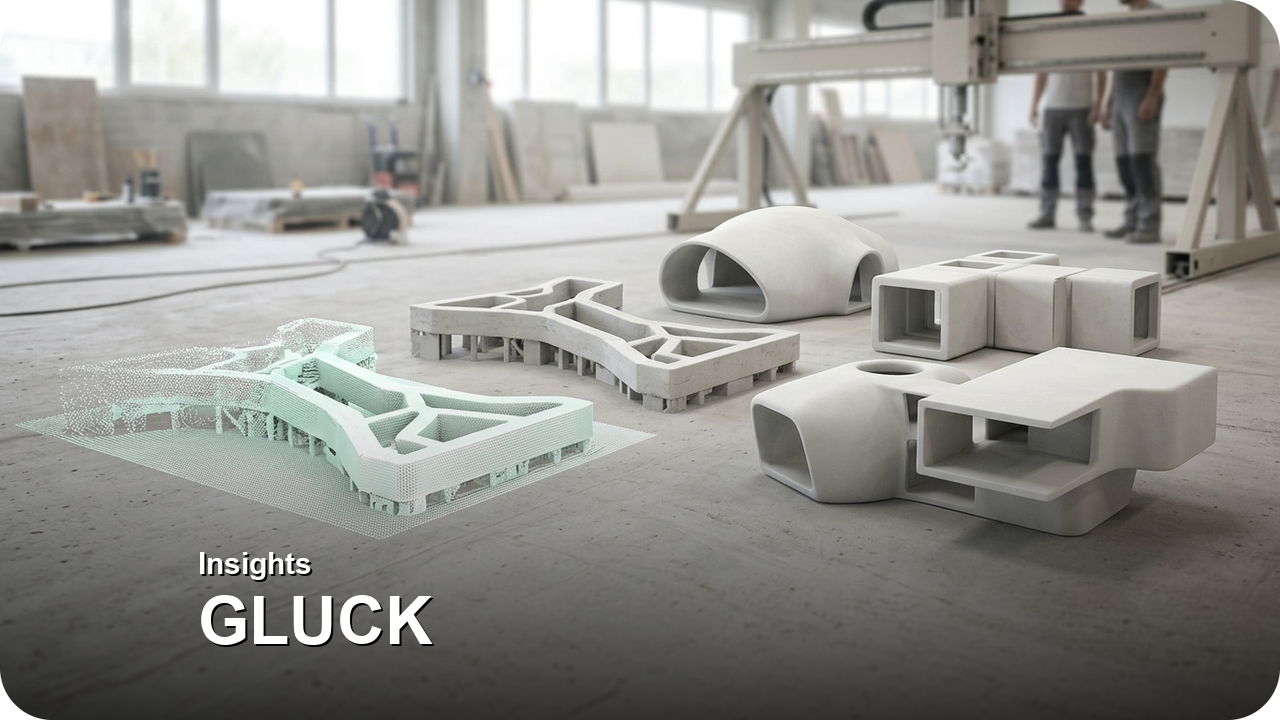
ICON : 같은 시스템에서 나온, 전혀 다른 집들
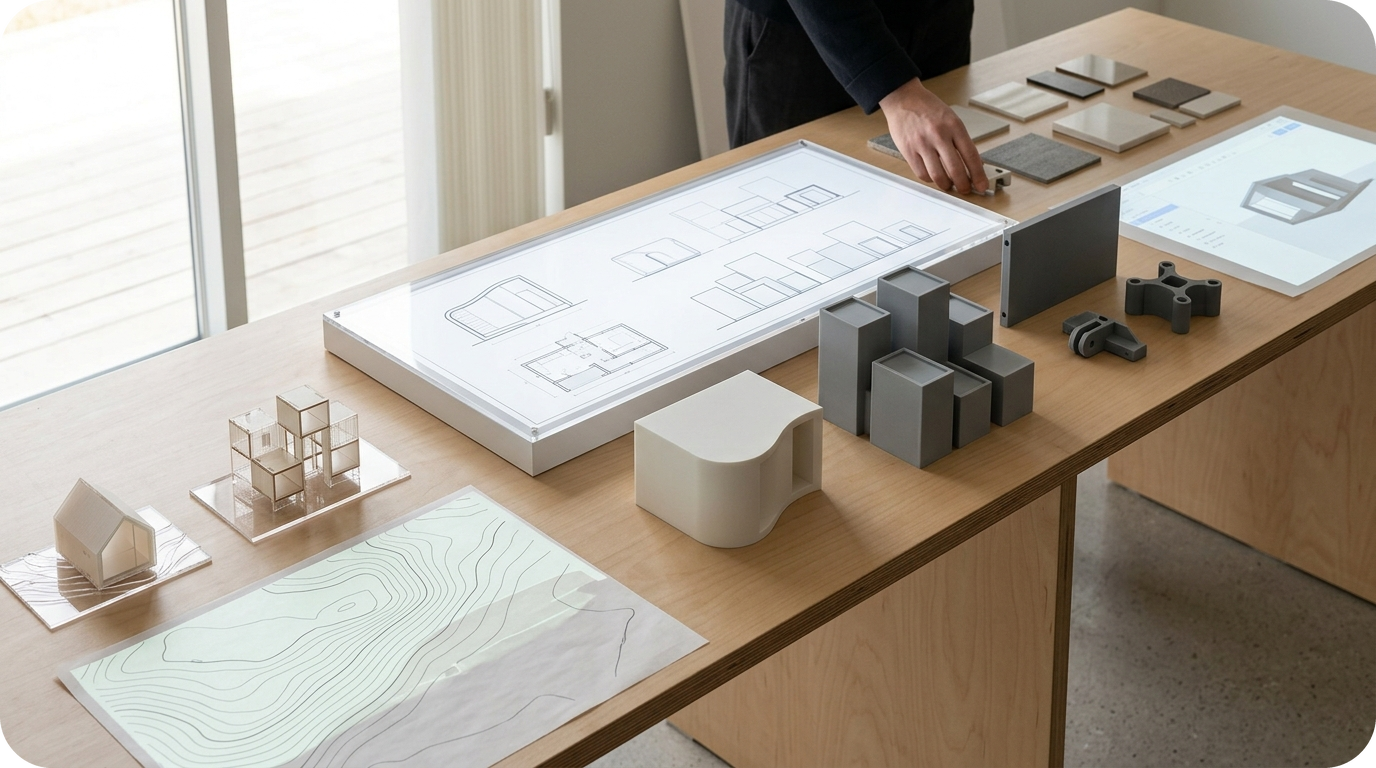
ICON이 제시한 여러 주택은 벽의 곡률, 개구부의 배치, 공간의 흐름이 저마다 다릅니다. 하지만 이 모든 결과물이 하나의 프린팅 시스템에서 나왔다는 점이 핵심입니다. 형상을 결정하는 것은 물리적인 틀이 아니라, 장비에 입력되는 디지털 설계 데이터입니다.
기존 건축·제조 방식으로 이렇게 다른 형상을 각각 만들려면 어떻게 해야 했을까요. 여기서 제조의 오래된 벽 두 가지가 드러납니다.
- 형상마다 새 틀이 필요합니다: 전통적 대량생산은 하나의 형상을 대량으로 찍을 때 가장 효율적입니다. 형상이 달라지면 거푸집·금형을 새로 만들어야 하고, 그 비용과 시간이 다양성을 가로막습니다.
- 다양성과 효율이 서로를 잡아먹습니다: 종류를 늘리면 준비·전환 비용이 커지고, 효율을 높이려 하면 종류를 줄여야 합니다. 제조는 오랫동안 이 둘 중 하나를 포기해야 했습니다.
ICON이 보여준 방식은 이 벽을 다른 층위에서 넘습니다. 공정을 고정하고 데이터를 바꾸는 것입니다. 물리적 틀 대신 설계 파일이 형상을 결정하기 때문에, 같은 라인에서 서로 다른 결과물을 연속으로 만들어낼 수 있습니다. 이 원리는 집이라는 거대한 대상에만 해당하는 것이 아니라, 훨씬 작은 부품·제품 양산에도 그대로 적용됩니다.
'같은 공정, 다른 결과물'은 제조에서 어떻게 작동하나
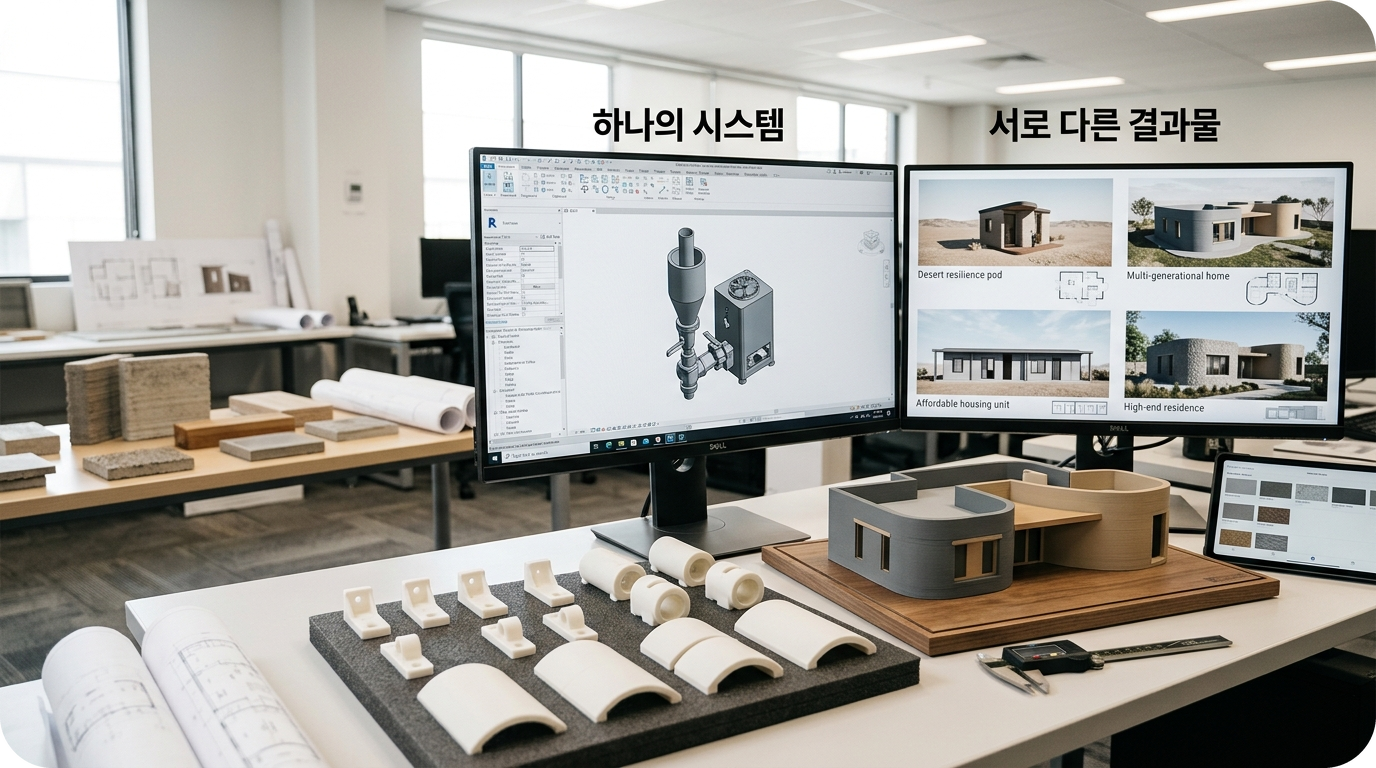
제조에서 이 원리를 부르는 이름이 있습니다. 바로 Mass Customization(대량 맞춤 생산)입니다. 동일한 생산 체계 위에서 형상·사양이 다른 제품을 대량으로 만들어내는 방식입니다. 핵심은 '무엇을 고정하고 무엇을 변수로 둘 것인가'에 있습니다.
전통적 사출·금형 방식은 형상을 고정하고 물량을 변수로 둡니다. 그래서 같은 제품을 많이 찍을수록 개당 단가가 낮아집니다. 반대로 형상이 자주 바뀌면 그때마다 금형을 새로 파야 하므로, 다품종에는 불리해집니다.
적층 제조는 반대 방향으로 작동합니다. 공정을 고정하고 형상을 변수로 둡니다. 금형이라는 물리적 제약이 없으니, 설계 데이터만 교체하면 같은 장비에서 전혀 다른 형상을 이어서 생산할 수 있습니다. 언더컷(금형에서 빠지지 않는 안쪽 형상)이나 복잡한 내부 구조처럼 기존 방식이 어려워하던 형태도 데이터 차원에서 자유롭게 다룰 수 있습니다.
- 금형 없는 형상 전환: 형상이 달라져도 재금형 비용이 발생하지 않아, 다품종을 하나의 라인에서 반복 생산할 수 있습니다.
- 설계 변경에 유연: 개발 중 잦은 수정도 파일 교체로 대응하므로, 초기 검증 구간에서 중·대량 반복 양산으로 이어지는 흐름이 매끄럽습니다.
다만 이 방식이 모든 상황에 우월한 것은 아닙니다. 형상이 단순하고 완전히 동일한 제품을 초대량으로 찍는 경우라면, 개당 단가에서 사출 성형이 여전히 유리합니다. 고하중을 견뎌야 하는 금속 구조 부품 역시 금속 공정의 영역입니다. '같은 공정, 다른 결과물'의 강점은 형상이 다양하고 변화가 잦은 양산 구간에서 가장 선명하게 드러납니다.
산업용 SLA로 구현하는 다품종 반복 양산
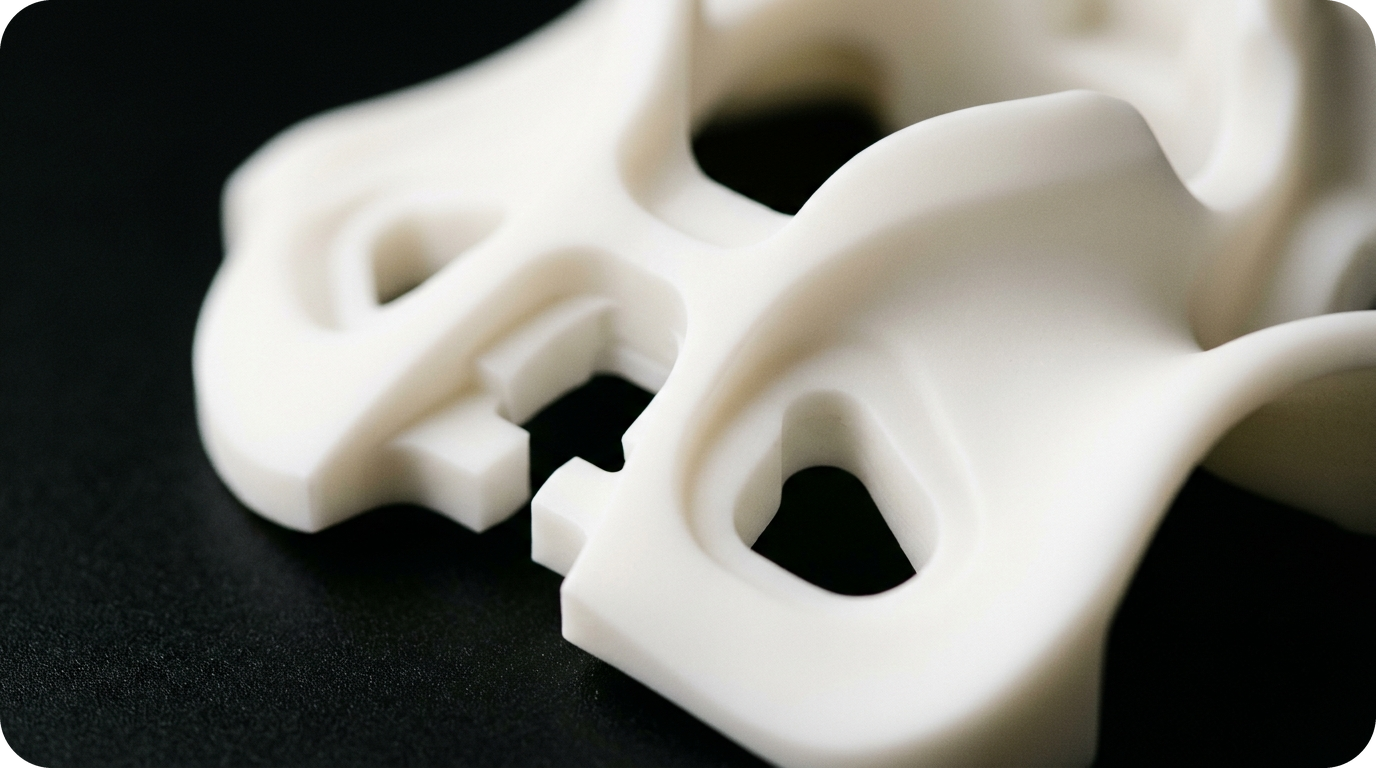
이런 원리는 실제 산업 현장에서 산업용 SLA 3D프린팅을 통해 정밀하게 구현됩니다. SLA는 액상 레진을 정밀하게 경화시켜 매끄러운 표면과 미세한 형상을 재현하는 방식으로, 형상을 데이터로 다루는 다품종 양산에 잘 맞습니다.
GLUCK은 약 45기의 산업용 SLA 장비를 365일 24시간 운용하며, 연 23만 개 이상 규모의 반복 양산을 수행하는 디지털 파운드리입니다. 최대 ±0.05mm 정밀도와 Ra 0.8 수준의 표면을 구현하고, 후가공을 거치면 사출품과 구별이 어려운 마감까지 가능합니다. 로봇 외장 커버 소량 양산, 생산라인 지그·치구·검사구, 의료기기 하우징·커버처럼 형상이 서로 다른 부품을 같은 공정 위에서 반복 생산하는 프로젝트가 여기에 해당합니다.
- Flexible Series Production: 낮은 MOQ로 초도 검증을 마친 뒤, 동일 공정에서 형상별 부품을 중·대량으로 이어 양산하는 흐름을 지원합니다.
- 금형비 없는 다품종: 형상마다 금형을 파지 않으므로, 제품 라인업이 다양하거나 자주 바뀌는 브랜드·제조사에게 현실적인 선택지가 됩니다.
물론 SLA가 모든 부품의 정답은 아닙니다. 단일 형상을 초대량으로 찍는 표준 부품, 혹은 높은 기계적 하중이 걸리는 금속 부품이라면 사출·금속 공정이 더 합리적입니다. GLUCK은 SLA 폴리머 하우징·커버 영역에서 강점을 가지며, 그 조건이 맞을 때 가장 큰 값을 냅니다.
결국 ICON의 건축 실험이 제조에 던진 시사점은 명확합니다. 다양성과 양산 효율은 더 이상 양자택일이 아니라는 것입니다. 형상을 물리적 틀에 가두지 않고 데이터로 다루면, 같은 시스템에서 서로 다른 결과물을 반복해 만들어낼 수 있습니다. 다품종을 양산 규모로 다뤄야 하는 제조사라면, 산업용 SLA는 검토할 가치가 있는 현실적인 대안입니다.
GLUCK은 반복 생산이 가능한 산업용 SLA 3D프린팅 인프라를 기반으로
다품종 양산 개발과 양산 전환 과정에 필요한 3D프린팅 제조 솔루션을 지원하고 있습니다.
지금 글룩을 확인해보세요!
📩 글룩 홈페이지 & 온라인 견적: https://www.glucklab.com
📂 글룩 포트폴리오: 글룩 포트폴리오 확인하기
References
[1] designboom, "ICON uses one construction system to 3D-print radically different ideas of home," designboom. Link: https://www.designboom.com/architecture/icon-construction-system-3d-print-home-modes-habitation/
English Version
ICON 3D-Prints Radically Different Homes from One System : The Principle of 'Same Process, Different Output'
Reading architecture news today, the phrase "a house 3D-printed" no longer feels unfamiliar. What is striking recently, however, is not "a house was printed" but that one system printed entirely different houses. Homes differing in form, structure, and spatial character all came from the same equipment and the same process.
The U.S. construction technology company ICON used a single construction system (Vulcan) to realize multiple home concepts proposing fundamentally different "modes of habitation" through 3D printing. The wall-building equipment and process stay identical, yet simply changing the input design data produced results ranging from organic curved forms to minimal straight lines. In the heavy industry of architecture, "same process, different output" actually worked.
A natural question follows. What does it take to mass-produce such diverse shapes from a single production system? This is not architecture's question alone. It touches precisely on a dilemma that manufacturing—making parts and products—has grappled with for a long time. This article re-reads ICON's case from a manufacturing perspective.
ICON : Radically Different Homes from the Same System
The homes ICON presented differ in wall curvature, opening layout, and spatial flow. Yet the key is that all these outputs came from one printing system. What determines shape is not a physical mold but the digital design data fed into the equipment.
How would traditional architecture and manufacturing make each of these different shapes? Here two old manufacturing walls appear.
- Each shape needs a new form: Traditional mass production is most efficient when stamping one shape in large volumes. Change the shape and you must build a new formwork or mold, and that cost and time block variety.
- Variety and efficiency consume each other: Add variety and setup/changeover costs rise; push efficiency and you must cut variety. Manufacturing long had to sacrifice one of the two.
ICON's approach crosses this wall at a different level: fix the process, change the data. Because a design file, not a physical form, determines shape, different outputs can be made in sequence on the same line. This principle applies not only to the vast object of a house but equally to far smaller part and product production.
How 'Same Process, Different Output' Works in Manufacturing
Manufacturing has a name for this principle: Mass Customization. It produces products of differing shape and spec at scale on one production system. The key lies in "what to fix and what to leave variable."
Traditional injection and molding methods fix the shape and leave volume variable. So the more identical units you print, the lower the per-unit cost. Conversely, if shape changes often, you must cut a new mold each time—unfavorable for high-mix.
Additive manufacturing works the opposite way. It fixes the process and leaves shape variable. With no physical mold constraint, swapping design data lets the same equipment produce entirely different shapes in succession. Even forms that traditional methods struggled with—undercuts (inner shapes that won't release from a mold) or complex internal structures—can be handled freely at the data level.
- Mold-free shape switching: Since changing shape incurs no re-tooling cost, high-mix parts can be produced repeatedly on one line.
- Flexible to design changes: Frequent revisions during development are handled by swapping files, smoothing the flow from early validation into mid-to-high-volume repeat production.
That said, this method is not superior in every situation. For simple shapes printed identically at very high volume, injection molding still wins on per-unit cost. Metal structural parts bearing high loads remain the domain of metal processes. The strength of "same process, different output" shows most clearly in production ranges with diverse and frequently changing shapes.
Flexible High-Mix Repeat Production with Industrial SLA
In real industrial settings, this principle is precisely realized through industrial SLA 3D printing. SLA cures liquid resin with precision to reproduce smooth surfaces and fine geometry, fitting well with high-mix production that treats shape as data.
GLUCK operates about 45 industrial SLA machines 365 days a year, around the clock, as a digital foundry performing repeat production at a scale of over 230,000 units per year. It achieves up to ±0.05mm precision and Ra 0.8 surface quality, and with post-processing, finishes hard to distinguish from injection-molded parts. Projects such as small-batch robot exterior covers, production-line jigs, fixtures and inspection tools, and medical device housings and covers—producing differently shaped parts repeatedly on the same process—fall into this category.
- Flexible Series Production: After completing initial validation at low MOQ, it supports a flow of producing shape-specific parts at mid-to-high volume on the same process.
- High-mix without tooling cost: Since no mold is cut per shape, it becomes a realistic option for brands and manufacturers with diverse or frequently changing product lineups.
Of course, SLA is not the answer for every part. For standard parts printed in very high volumes as a single shape, or metal parts under high mechanical loads, injection or metal processes are more reasonable. GLUCK is strong in SLA polymer housings and covers, and delivers the most value when those conditions align.
Ultimately, ICON's architectural experiment sends a clear message to manufacturing: variety and production efficiency are no longer an either/or. If you handle shape as data instead of trapping it in a physical form, you can repeatedly create different outputs on the same system. For manufacturers who must handle high-mix at production scale, industrial SLA is a realistic alternative worth reviewing.
GLUCK supports the 3D printing manufacturing solutions needed for high-mix production development and transition to mass production, based on an industrial SLA 3D printing infrastructure capable of repeat production.
Check out GLUCK now!
📩 GLUCK Website & Online Quote: https://www.glucklab.com
📂 GLUCK Portfolio: View GLUCK Portfolio
References
[1] designboom, "ICON uses one construction system to 3D-print radically different ideas of home," designboom. Link: https://www.designboom.com/architecture/icon-construction-system-3d-print-home-modes-habitation/
#글룩 #GLUCK #3D프린팅 #산업용3D프린팅 #SLA3D프린팅 #대량맞춤생산 #다품종양산 #금형없는양산 #DfAM #ICON #3DPrinting #SLA3DPrinting #AdditiveManufacturing #MassCustomization #FlexibleSeriesProduction #MassProduction #DigitalFoundry #건축3D프린팅
'인사이트 (Insights)' 카테고리의 다른 글
| 접착제 없이 조립되는 스니커즈 : 3D프린팅 밑창과 전통 갖신의 결합 (0) | 2026.09.14 |
|---|---|
| 애플이 새 아이폰 힌지 커버를 금형 없이 찍어낸 이유 (0) | 2026.09.11 |
| 수술실의 진짜 비용 : 의료 3D프린팅이 '시제품'을 넘어 양산으로 가야 하는 이유 (0) | 2026.09.08 |
| Figure가 AI 컴퓨팅에 수억 달러를 쏟는 동안, 로봇 '외피'는 누가 만드나 (0) | 2026.09.08 |
| 만지는 순간 완성되는 전시 : 아이들이 만든 3D프린팅 로봇 동물원이 브랜드 오브제에 남긴 힌트 (0) | 2026.09.08 |