
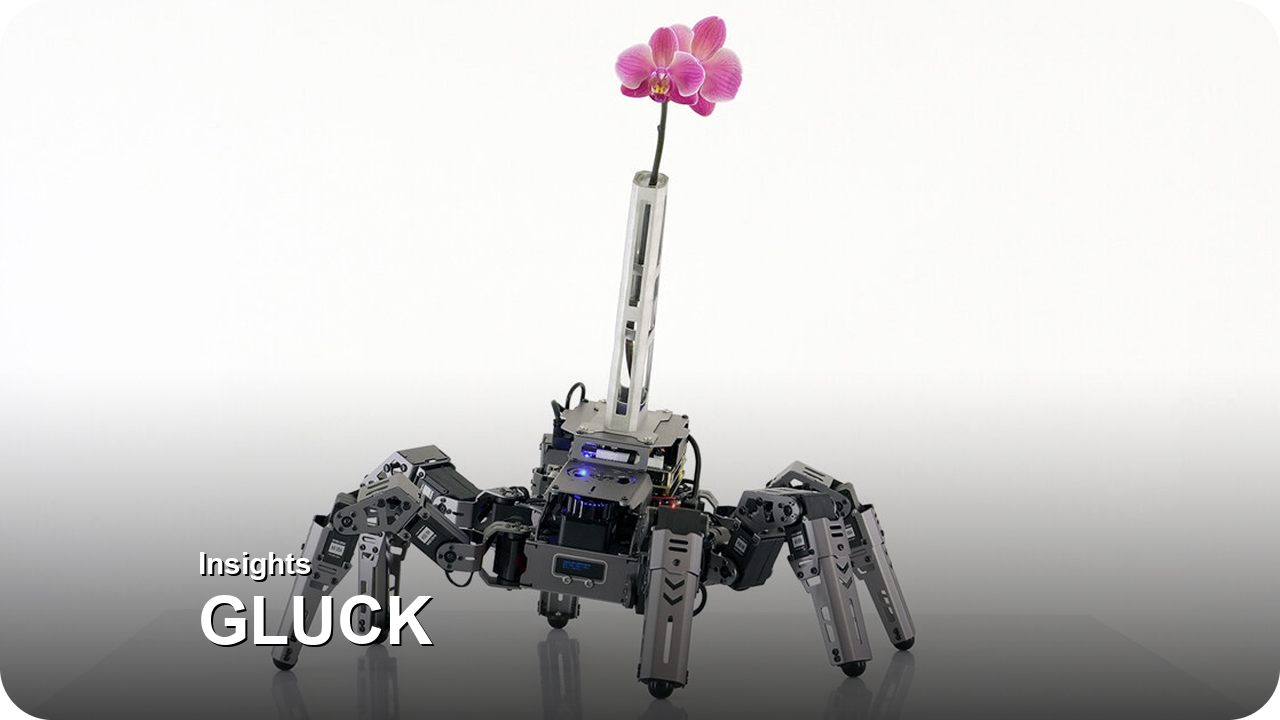
최근 로봇을 바라보는 시선이 조금씩 달라지고 있습니다. 물류창고의 운반 로봇이나 공장의 협동 로봇처럼 '일하는 기계'였던 로봇이, 이제는 공간에 놓이는 감성적인 오브제로도 등장하고 있습니다. 기능만큼이나 형태와 분위기가 중요해지면서, 로봇의 외장 디자인이 제품의 정체성을 좌우하는 사례가 늘고 있습니다.
Batten & Kamp의 프로젝트 'Seeker'가 대표적입니다. 이 AI 로봇은 난초 한 송이를 담은 이동식 화병으로, 빛을 찾아 스스로 움직이며 사람의 관심을 끌도록 설계되었습니다. 로봇이 실용적 노동을 넘어 하나의 조형물이자 감정을 자극하는 오브제로 다뤄진 셈입니다.
이런 흐름은 제조 관점에서 흥미로운 질문을 남깁니다. 이렇게 물량이 적고 디자인이 계속 바뀌는 감성 로봇이나 오브제의 외장은 대체 어떻게 양산해야 할까요? 소량 생산되는 감성 로봇·오브제의 하우징을 만드는 방식을, 제조 관점에서 짚어보겠습니다.
Seeker : 난초를 든 로봇이 던진 제조 숙제
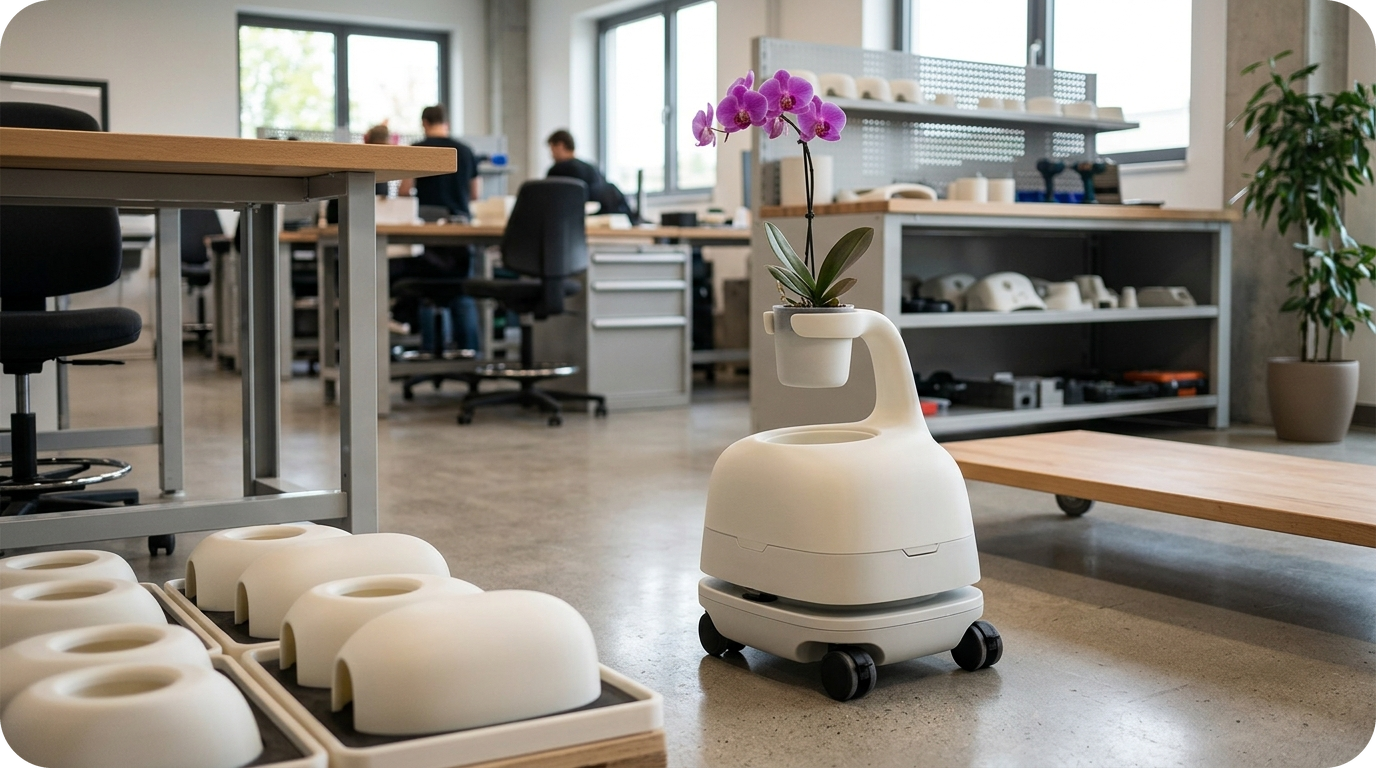
'Seeker'는 빛을 감지해 움직이며, 난초 한 송이를 위한 이동식 화병 역할을 하는 AI 로봇 오브제입니다. 기능적 효율보다는 관객의 관심과 감정적 교감을 이끌어내는 데 초점을 둔 작업으로, 로봇의 외형 자체가 작품의 핵심이 됩니다.
이런 오브제성 로봇을 실제로 만들려고 하면, 외장 하우징에서 곧바로 제조 문제에 부딪힙니다. 감성 오브제는 태생적으로 물량이 많지 않고, 전시나 반응에 따라 형태가 자주 바뀝니다. 그런데 기존 사출 성형으로 이런 외장을 만들려면 먼저 금형을 제작해야 합니다.
- 높은 초기 투자와 낮은 물량의 충돌: 금형은 수천만 원 이상의 초기 비용이 들지만, 감성 로봇은 수십~수백 대 규모에 그치는 경우가 많습니다. 물량이 적을수록 금형비가 개당 단가에 그대로 얹혀 부담이 커집니다.
- 잦은 디자인 변경과 금형의 경직성: 금형은 한 번 파면 형상을 바꾸기 어렵고, 수정할 때마다 추가 비용과 시간이 발생합니다. 곡면과 형태를 계속 다듬어야 하는 오브제 작업과는 결이 맞지 않습니다.
문제는 이 두 가지가 감성 로봇·오브제에서 거의 항상 동시에 나타난다는 점입니다. 물량은 적은데 디자인은 자주 바뀌니, 금형 양산의 전제 자체가 성립하기 어렵습니다.
기능을 넘어 오브제가 되는 로봇, 외장이 곧 제품이 된다
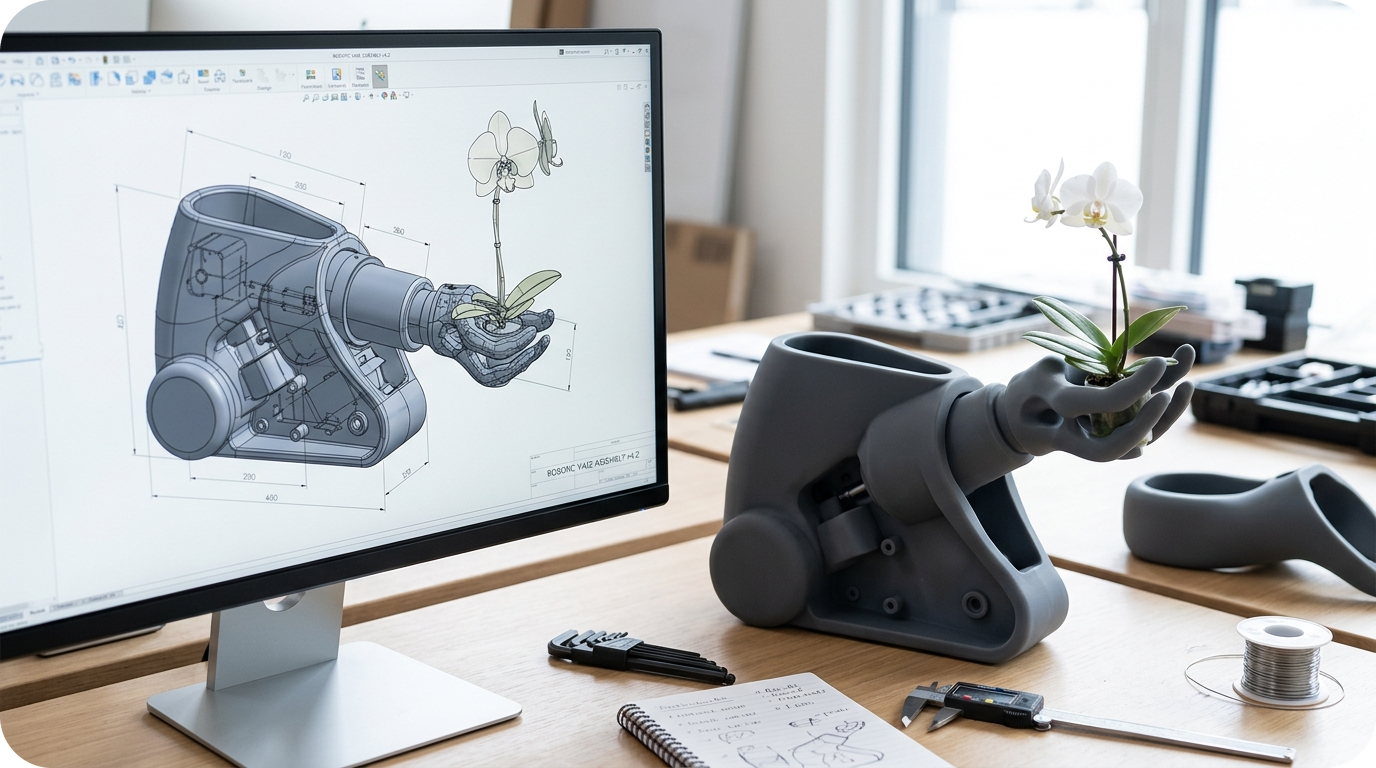
'Seeker' 같은 사례가 특별한 이유는, 로봇의 가치가 내부 구동부가 아니라 겉으로 드러나는 외장에 상당 부분 담겨 있기 때문입니다. 매끄러운 표면, 유기적인 곡면, 이음매 없는 형태감이 곧 제품의 인상이 됩니다. 이 지점에서 외장 하우징의 표면 품질과 형상 자유도가 제조의 핵심 과제로 떠오릅니다.
기존 절삭(CNC) 방식으로 복잡한 유기적 곡면을 깎으려면 형상에 제약이 크고, 곡면이 복잡할수록 가공 시간과 단가가 함께 올라갑니다. 여러 부품을 조립하는 방식은 이음매와 조립 오차가 생겨 오브제의 매끄러운 인상을 해치기 쉽습니다.
- 부품 통합의 필요: 감성 오브제 외장은 이음매가 적을수록 완성도가 높아집니다. 여러 조각을 나눠 만들기보다 복잡한 형상을 하나로 통합해 만드는 편이 유리합니다.
- 표면이 곧 마감: 별도의 큰 후가공 없이도 그대로 보여줄 수 있는 표면 품질이 필요합니다. 표면이 거칠면 감성 오브제로서의 가치가 크게 떨어집니다.
이런 조건은 실제 산업 현장의 로봇 외장 커버나 브랜드 하드웨어에도 똑같이 적용됩니다. 물량은 많지 않지만 완성도는 높아야 하고, 형상은 계속 다듬어야 하는 상황이 반복됩니다.
산업용 SLA 3D프린팅, 소량~중량 외장 양산의 조건부 대안
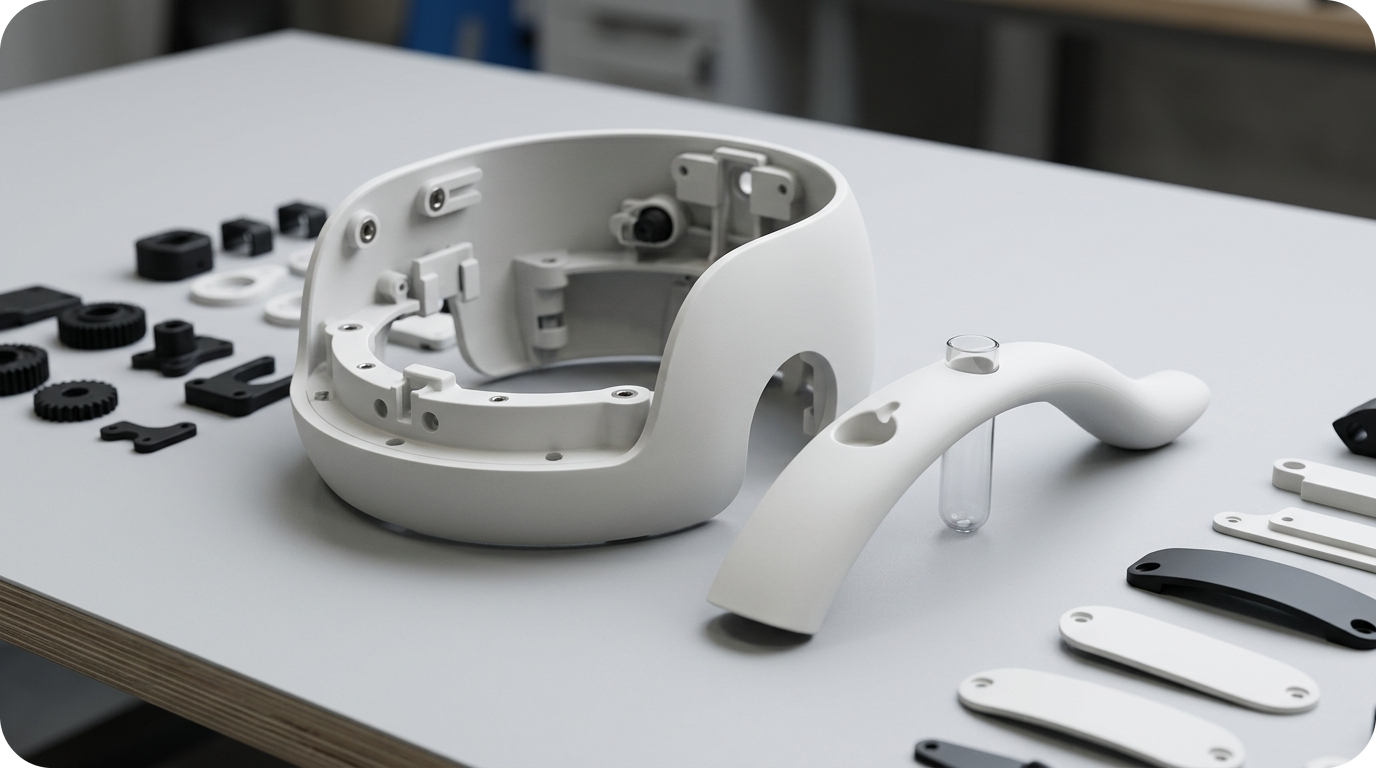
이런 다품종·소량~중량 구간의 외장 양산에서는 산업용 SLA 3D프린팅이 현실적인 선택지로 부상합니다. 바로 이 지점에서 SLA의 강점이 감성 로봇·오브제의 제조 조건과 맞물립니다.
💡 핵심은 금형 없이 반복 생산이 가능하다는 점입니다. 디지털 설계 데이터만 있으면 초기 금형비 없이 바로 생산에 들어갈 수 있고, 디자인이 바뀌어도 파일 수정만으로 다음 생산에 반영됩니다. 잦은 형상 변경이 비용과 대기 시간으로 이어지던 문제를 상당 부분 덜어낼 수 있습니다.
- 금형 없는 반복생산: 초기 투자(금형비) 부담 없이 소량~중량을 반복해서 균일하게 생산할 수 있습니다.
- 복잡 형상과 부품 통합: 유기적인 곡면과 복잡한 내부 구조를 하나의 형상으로 통합해 이음매를 줄입니다.
- 매끄러운 표면 품질: GLUCK의 산업용 SLA는 최대 ±0.05mm 정밀도와 Ra 0.8 수준의 표면조도를 구현하며, 후가공 시 사출품과 구별이 어려운 마감이 가능합니다.
GLUCK은 약 45기의 산업용 SLA 장비와 연 23만 개 이상의 생산 능력, 365일 24시간 운용 체계를 기반으로 로봇 외장 커버 소량 양산, 브랜드 오브제, 의료기기 하우징/커버 등의 외장을 금형 없이 반복 생산해 왔습니다. 감성 로봇의 화병형 하우징이든 로봇의 외장 커버든, 소량이라도 완성도 높은 외장을 반복해서 만들어야 하는 상황에 대응할 수 있습니다.
다만 SLA가 모든 경우의 정답은 아닙니다. 형상이 완전히 고정된 채 수만 개 이상 동일 부품을 오래 찍어야 하는 초대량 생산이라면, 개당 단가 측면에서 사출 성형이 여전히 유리합니다. 고하중을 받는 금속 구조 부품 역시 절삭이나 금속 공정이 적합합니다. SLA는 다품종·소량~중량, 잦은 디자인 변경, 높은 표면 완성도라는 조건이 겹칠 때 특히 힘을 발휘하는 대안입니다.
'Seeker'처럼 로봇이 기능을 넘어 오브제가 되는 흐름은 앞으로도 이어질 것으로 보입니다. 이때 제품의 인상을 결정하는 것은 결국 외장이며, 그 외장을 어떻게 유연하게 양산하느냐가 관건이 됩니다. 감성과 기능을 동시에 담은 외장을, 금형의 부담 없이 반복 생산하고자 하는 제조사에게 산업용 SLA 3D프린팅은 현실적인 선택지가 될 수 있습니다.
GLUCK은 반복 생산이 가능한 산업용 SLA 3D프린팅 인프라를 기반으로
감성 로봇·오브제 외장 개발과 양산 전환 과정에 필요한 3D프린팅 제조 솔루션을 지원하고 있습니다.
지금 글룩을 확인해보세요!
📩 글룩 홈페이지 & 온라인 견적: https://www.glucklab.com
📂 글룩 포트폴리오: 글룩 포트폴리오 확인하기
References
[1] designboom, "attention-seeking AI robot becomes a mobile vase for a single orchid," designboom. Link: https://www.designboom.com/art/attention-seeking-ai-robot-mobile-vase-single-orchid-batten-kamp-beauty-seeker-seeker/
An AI Robot Holding a Single Orchid: How Do You Manufacture the Housing of an Emotional Robot Made in Small Batches?
The way we view robots is gradually changing. Robots that were once "working machines," like warehouse transport robots or factory collaborative robots, are now appearing as emotional objects placed within a space. As form and atmosphere become as important as function, exterior design increasingly defines a robot's identity.
A project called 'Seeker' by Batten & Kamp is a prime example. This AI robot is a mobile vase holding a single orchid, designed to move on its own toward light and draw people's attention. In other words, the robot is treated not as practical labor but as a sculptural object and an emotion-evoking piece.
This trend raises an interesting question from a manufacturing perspective. How exactly should you produce the exterior of an emotional robot or object that is made in small volumes and whose design keeps changing? Let's examine how the housings of these low-batch emotional robots and objects are made, from a manufacturing perspective.
Seeker: The Manufacturing Challenge Posed by a Robot Holding an Orchid
'Seeker' is an AI robot object that detects and moves toward light, serving as a mobile vase for a single orchid. Rather than functional efficiency, it focuses on drawing the audience's attention and emotional connection, making the robot's very appearance the core of the work.
When you actually try to build such an object-like robot, you immediately run into manufacturing problems with the exterior housing. Emotional objects inherently come in small volumes, and their shapes change frequently depending on exhibitions or reactions. Yet to make such exteriors with traditional injection molding, you first have to fabricate a mold.
- Clash between high initial investment and low volume: A mold costs tens of thousands of dollars in initial investment, but emotional robots are often limited to tens or hundreds of units. The lower the volume, the more the tooling cost is passed directly onto the per-unit price.
- Frequent design changes vs. mold rigidity: Once a mold is cut, changing the shape is difficult, and each revision incurs additional cost and time. This does not align with object work that requires continuous refinement of curves and forms.
The problem is that these two factors almost always appear together in emotional robots and objects. Volume is low but design changes are frequent, so the very premise of mold-based mass production is hard to establish.
Robots That Become Objects Beyond Function: The Exterior Becomes the Product
What makes a case like 'Seeker' special is that a robot's value lies largely in its visible exterior rather than its internal drive components. Smooth surfaces, organic curves, and seamless form become the product's impression. At this point, the surface quality and shape freedom of the exterior housing emerge as the core manufacturing challenge.
Machining complex organic curves with traditional CNC methods involves significant shape constraints, and the more complex the curve, the more machining time and cost rise together. Assembling multiple parts creates seams and assembly tolerances that easily undermine the smooth impression of the object.
- The need for part integration: Emotional object exteriors gain completeness with fewer seams. It is advantageous to integrate complex shapes into one piece rather than making them in multiple sections.
- The surface is the finish: A surface quality that can be shown as-is without major post-processing is required. A rough surface greatly diminishes value as an emotional object.
These conditions apply equally to robot exterior covers and brand hardware in actual industrial settings. Volume is not high, but completeness must be high, and shapes must be continuously refined—situations that recur repeatedly.
Industrial SLA 3D Printing: A Conditional Alternative for Low-to-Mid-Volume Exterior Production
For exterior production in this multi-variety, low-to-mid-volume range, industrial SLA 3D printing emerges as a realistic option. It is precisely here that SLA's strengths align with the manufacturing conditions of emotional robots and objects.
💡 The key is that repeatable production is possible without molds. With only digital design data, production can begin without initial tooling costs, and design changes are reflected in the next run simply by editing the file. This largely relieves the problem where frequent shape changes led to cost and wait times.
- Mold-free repeatable production: Low-to-mid volumes can be produced repeatedly and uniformly without the burden of initial tooling costs.
- Complex shapes and part integration: Organic curves and complex internal structures can be integrated into a single shape, reducing seams.
- Smooth surface quality: GLUCK's industrial SLA achieves precision up to ±0.05mm and surface roughness around Ra 0.8, with a finish hard to distinguish from injection-molded parts after post-processing.
Based on approximately 45 industrial SLA machines, an annual production capacity of over 230,000 units, and a 365-day, 24-hour operation system, GLUCK has repeatedly produced exteriors such as small-batch robot exterior covers, brand objects, and medical device housings/covers without molds. Whether it's a vase-shaped housing for an emotional robot or a robot's exterior cover, GLUCK can respond to situations requiring high-quality exteriors produced repeatedly even in small volumes.
However, SLA is not the answer in every case. For very high-volume production where a fully fixed shape must be run over tens of thousands of identical parts for a long period, injection molding remains more advantageous in per-unit cost. Metal structural parts under high loads are also better suited to machining or metal processes. SLA is an alternative that shines especially when the conditions of multi-variety, low-to-mid volume, frequent design changes, and high surface completeness overlap.
The trend of robots becoming objects beyond function, like 'Seeker,' is likely to continue. In this case, what determines a product's impression is ultimately its exterior, and how flexibly you produce that exterior becomes the key. For manufacturers seeking to produce exteriors that carry both emotion and function repeatably, without the burden of molds, industrial SLA 3D printing can be a realistic option.
Based on its industrial SLA 3D printing infrastructure that enables repeatable production, GLUCK supports the 3D printing manufacturing solutions needed for the development and mass-production transition of emotional robot and object exteriors.
Check out GLUCK now!
📩 GLUCK Website & Online Quote: https://www.glucklab.com
📂 GLUCK Portfolio: View GLUCK Portfolio
References
[1] designboom, "attention-seeking AI robot becomes a mobile vase for a single orchid," designboom. Link: https://www.designboom.com/art/attention-seeking-ai-robot-mobile-vase-single-orchid-batten-kamp-beauty-seeker-seeker/
#글룩 #GLUCK #3D프린팅 #산업용3D프린팅 #SLA3D프린팅 #로봇하우징 #로봇외장커버 #감성오브제 #브랜드오브제 #금형없는양산 #소량양산 #다품종양산 #3DPrinting #SLA3DPrinting #IndustrialSLA #RobotHousing #AdditiveManufacturing #FlexibleSeriesProduction #DfAM #EmotionalRobot
이미지 출처·라이선스
원문 기사 이미지 출처
'인사이트 (Insights)' 카테고리의 다른 글
| 접착제 없이 조립되는 스니커즈 : 3D프린팅 밑창과 전통 갖신의 결합 (0) | 2026.09.14 |
|---|---|
| 애플이 새 아이폰 힌지 커버를 금형 없이 찍어낸 이유 (0) | 2026.09.11 |
| ICON은 하나의 건설 시스템으로 전혀 다른 집을 찍어낸다 : '같은 공정, 다른 결과물'의 원리 (0) | 2026.09.11 |
| 수술실의 진짜 비용 : 의료 3D프린팅이 '시제품'을 넘어 양산으로 가야 하는 이유 (0) | 2026.09.08 |
| Figure가 AI 컴퓨팅에 수억 달러를 쏟는 동안, 로봇 '외피'는 누가 만드나 (0) | 2026.09.08 |