
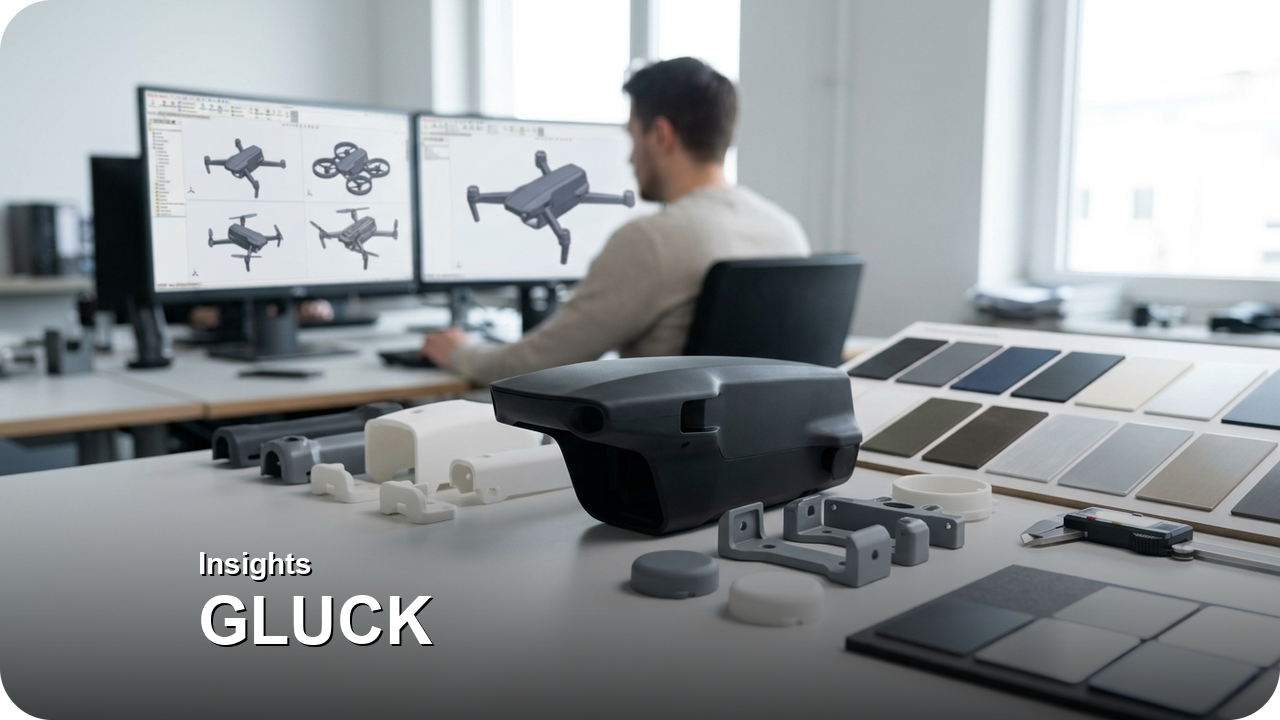
저비용 드론이 전장의 풍경을 바꾸고 있습니다. 수만 달러대 정밀 무기 대신, 훨씬 저렴하게 만든 시스템이 유사한 효과를 내면서, 방위 제조사들이 스스로에게 던지는 질문이 달라졌습니다. "우리가 이걸 얼마나 빨리, 얼마나 유연하게 만들 수 있는가?"라는 물음입니다. 정확한 가격 숫자보다 중요한 것은, 누군가는 기존 방식보다 훨씬 효율적으로 만들 방법을 찾아냈다는 사실이 던지는 시사점입니다.
이 흐름의 핵심은 단순히 '더 싸게'가 아닙니다. 방위 제조사들이 실제로 받는 압박은 더 구체적입니다. 현재 생산량의 3~4배를, 짧아진 일정 안에서, 품질과 추적성 기준은 하나도 낮추지 않은 채, 상업 제품 수준의 단가로 맞추라는 요구입니다. 문제는 이런 요구가 설계 변경이 잦고 수량 예측이 어려운 제품에서 특히 거세다는 점입니다.
그렇다면 설계가 하루에도 여러 번 바뀌고 필요 수량이 계속 흔들리는 부품을, 어떻게 속도와 유연성을 잃지 않고 양산할 수 있을까요? 이 질문은 방위 산업만의 것이 아니라, 제품 수명 주기가 짧아지는 오늘날 제조 전반이 마주한 과제입니다.
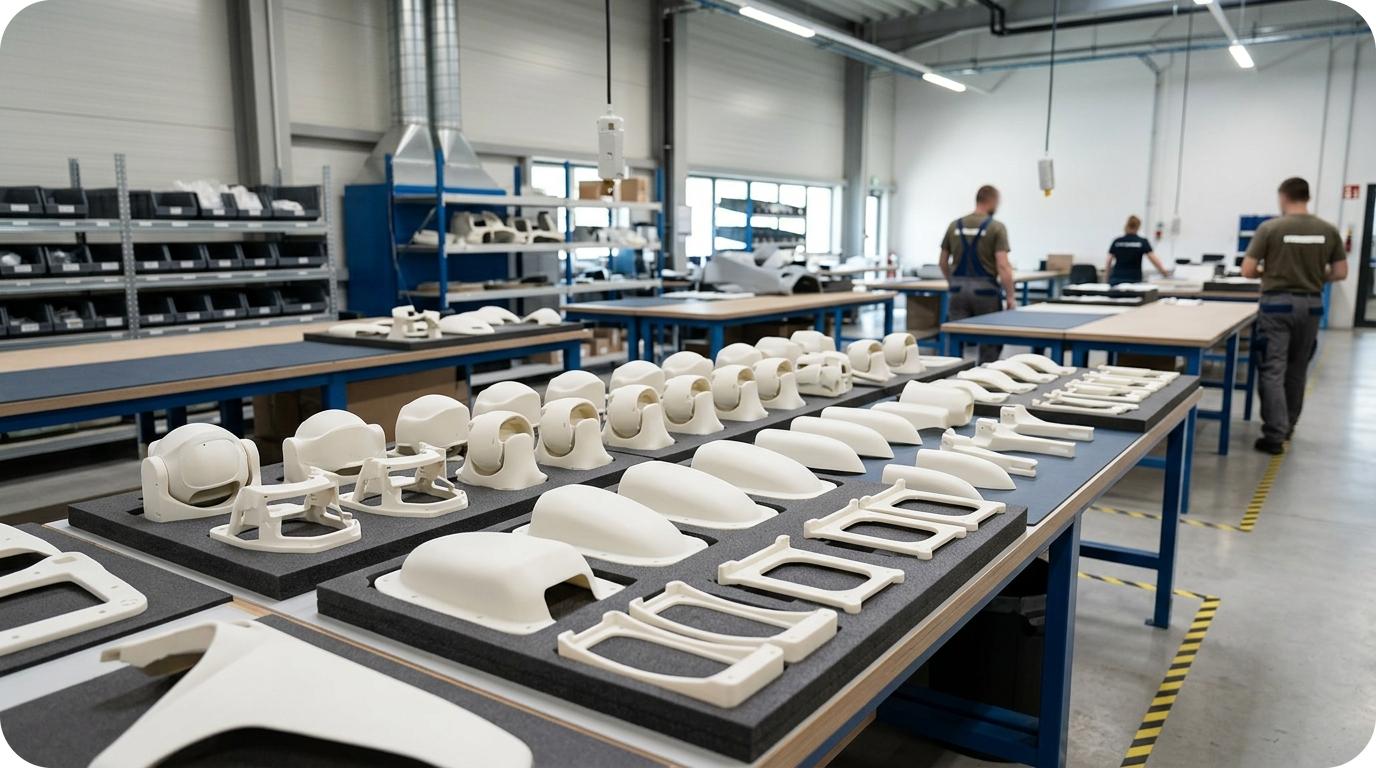
드론이 던진 진짜 질문은 '속도'와 '유연성'입니다
드론 그 자체가 이야기의 전부는 아닙니다. 드론은 더 큰 대화로 들어가는 입구일 뿐입니다. 방위 제조 리더들이 주목하는 것은, 경쟁 상대가 유사한 성능의 시스템을 훨씬 낮은 비용으로 만들어냈다는 사실이고, 그것이 제조 효율에 대한 근본적인 질문을 다시 불러왔다는 점입니다.
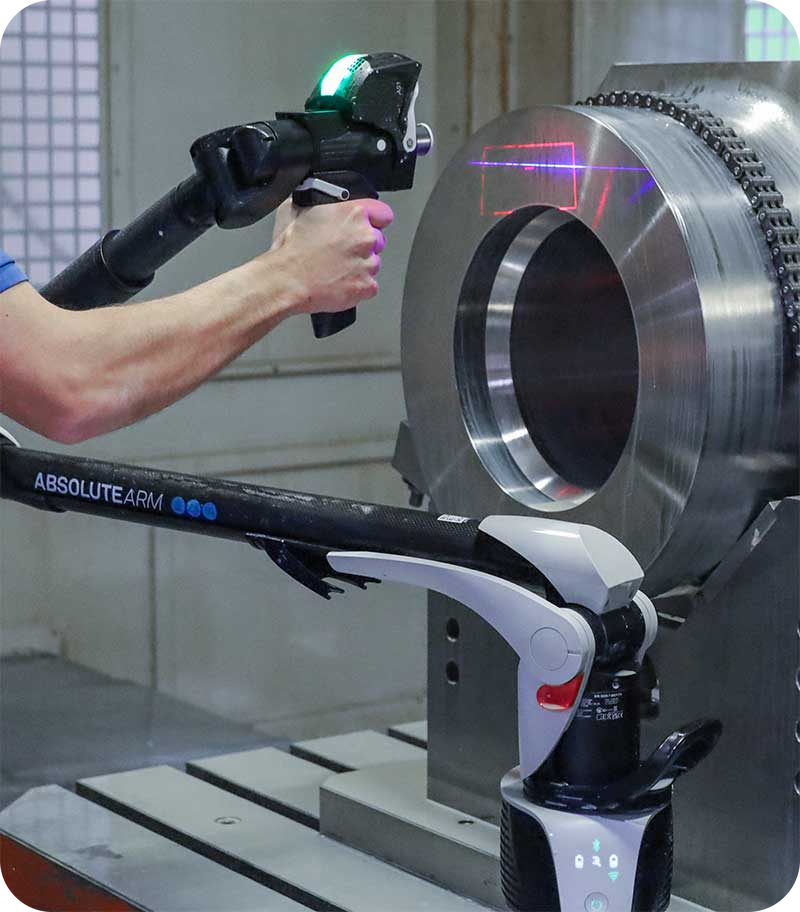
여기서 발목을 잡는 것이 전통적인 금형 기반 생산 방식입니다. 설계가 확정되지 않은 상태에서 금형부터 파면, 설계가 바뀔 때마다 금형을 다시 만들어야 합니다.
- 설계 변경 비용: 금형을 기반으로 한 부품은 형상이 바뀔 때마다 금형 수정·재제작 비용과 시간이 발생합니다. 하루에도 몇 번씩 설계를 반복하는 개발 구간에서는 이 부담이 속도를 무너뜨립니다.
- 수량 예측 부담: 최소 주문 수량(MOQ)에 맞춰 금형을 파려면 얼마나 팔릴지 확신이 서야 합니다. 수요가 불확실한 신형 부품에서는 이 예측 자체가 큰 리스크입니다.
빠른 설계 반복이 필요한 부품일수록, 금형이라는 고정 자산은 오히려 기동성을 떨어뜨립니다. 이 지점에서 제조사들은 금형 없이 설계 데이터를 바로 부품으로 바꾸는 방식을 대안으로 검토하기 시작했습니다.
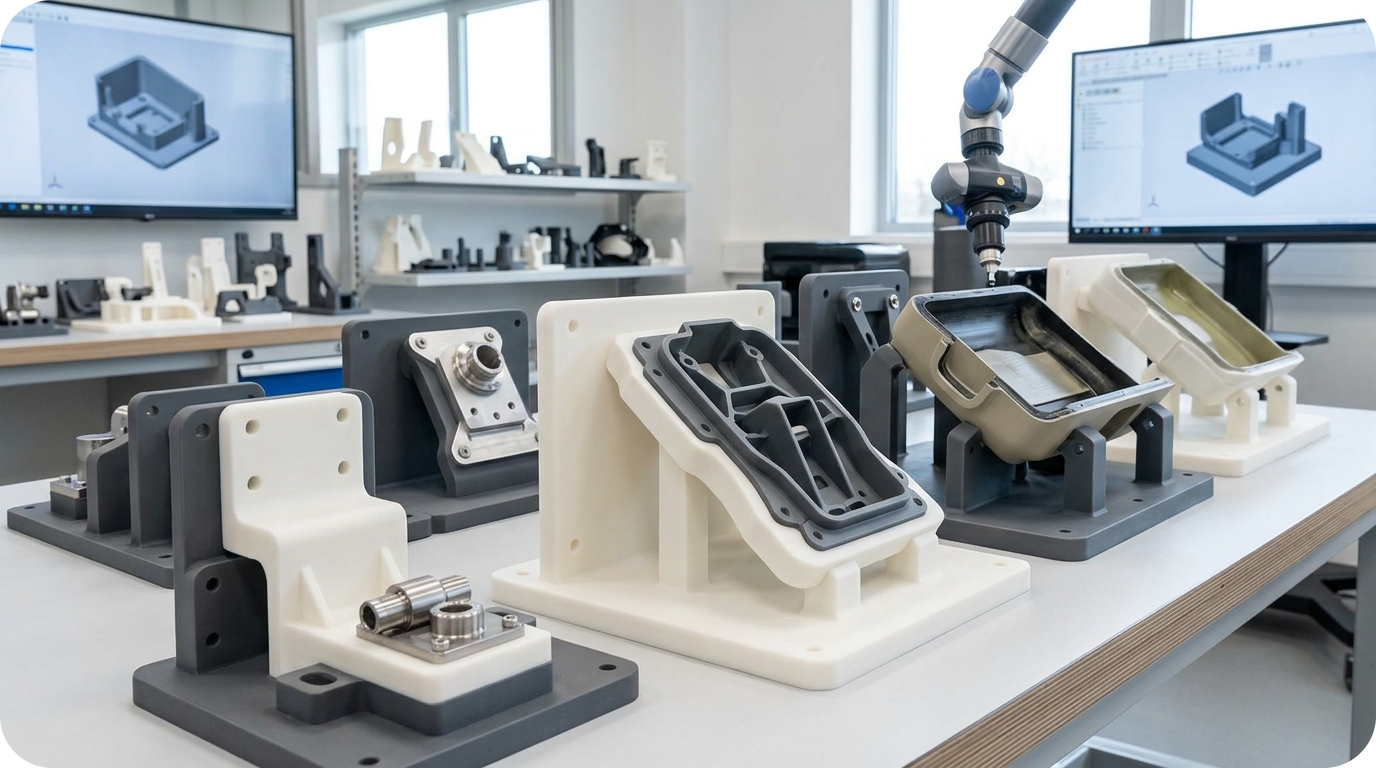
리버스 엔지니어링 : '왜 저렴하게 만들 수 있었나'를 이해하는 과정
적층 제조는 프린터에서 시작하지 않습니다. 무엇을 만드는지, 그리고 다른 누군가는 왜 그렇게 만들었는지를 이해하는 데서 시작합니다. 방위 제조 현장에서는 쓸 만한 도면이 없는 레거시 부품, 현장에서 임의로 수정되고 기록되지 않은 툴링, 혹은 적층 제조에 맞게 다시 설계해야 하는 기존 부품이 출발점이 됩니다.
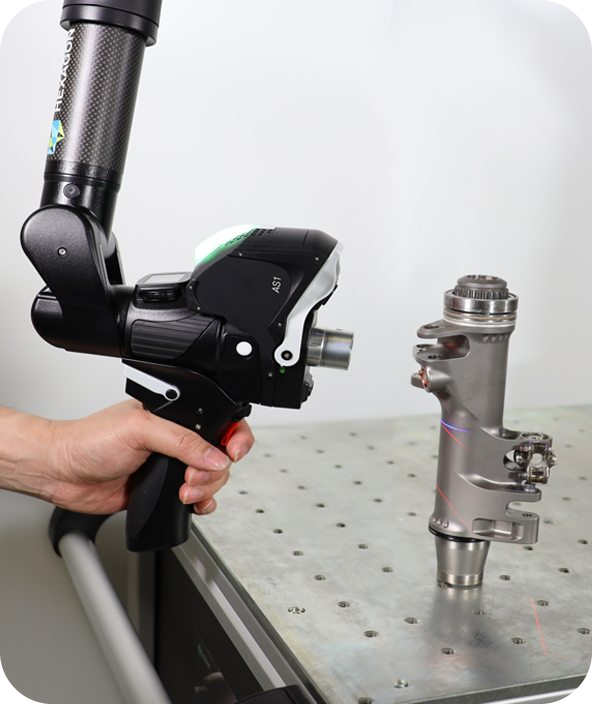
리버스 엔지니어링 워크플로는 기존 부품과 그 뒤에 숨은 설계 의도를 이해하도록 돕습니다. 어디서 무게를 줄였는가, 어떤 특징이 제조를 더 싸게 만들었는가, 같은 성능을 더 적은 부품 수로 낼 수 있는가. 핵심은 단순 복제가 아니라, 신뢰할 수 있는 디지털 모델에서 더 낫고 더 생산하기 쉬운 설계로 나아가는 능력입니다.
여기서 놓치기 쉬운 조건이 하나 있습니다. 측정 정확도입니다. 정확도가 낮은 스캔은 아무리 점 데이터가 촘촘해 보여도 신뢰할 수 없는 모델을 만들고, 그 위에서 내리는 모든 설계 판단이 오차를 누적시킵니다. 적층 워크플로를 한참 진행한 뒤에야 스캔 데이터가 치수·형상 요구를 충족하지 못했다는 사실을 발견하면, 재작업 비용뿐 아니라 촉박한 일정 자체가 초기화됩니다.
이런 이해 과정은 방위 부품에만 해당하는 이야기가 아닙니다. 형상이 자주 바뀌는 소비재 하드웨어나 산업 부품에서도, 정확한 디지털 모델에서 출발해 부품을 통합하고 무게를 줄이는 흐름은 그대로 적용됩니다.
금형 없는 SLA 양산이 유리한 조건과 그렇지 않은 조건
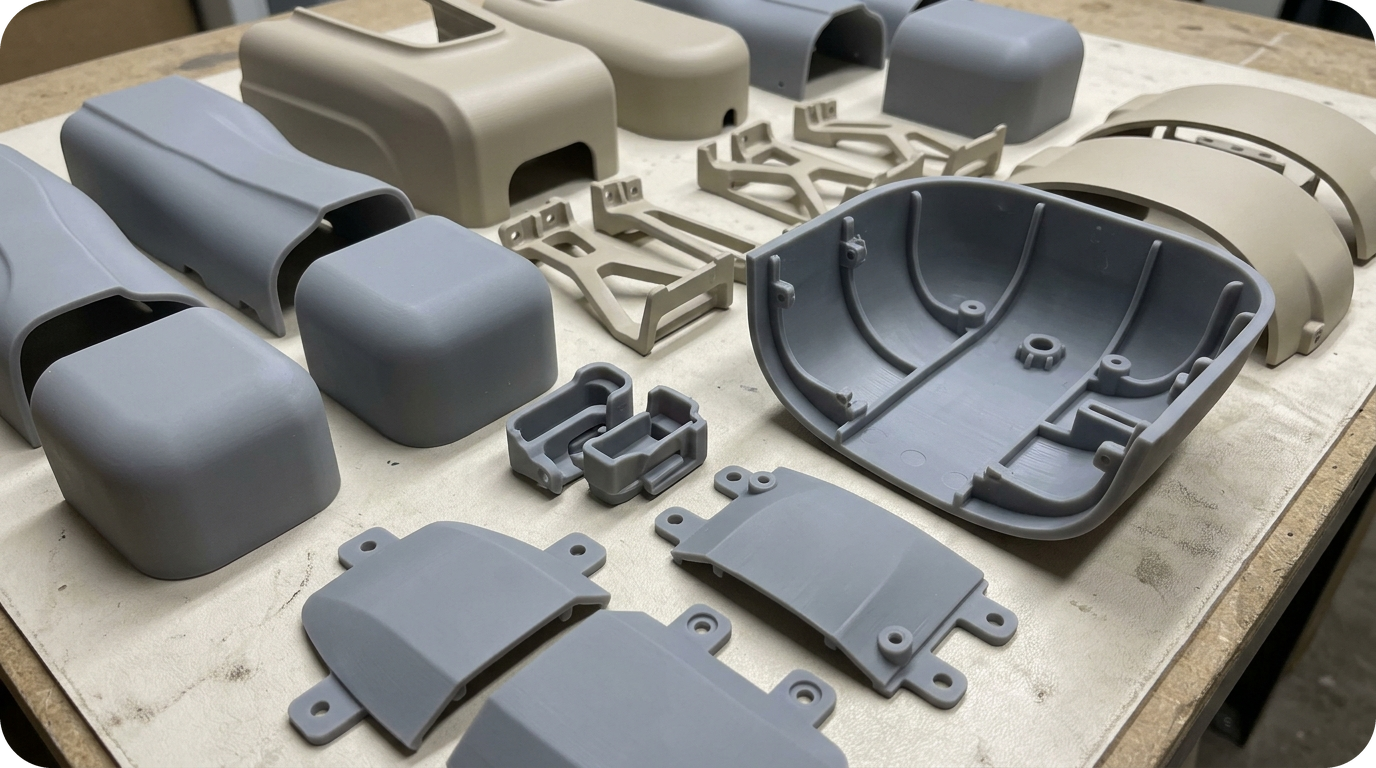
이런 '빠른 설계 반영 + 수량 유연 생산'의 요구는 실제 산업 현장에서는 산업용 SLA 3D프린팅을 통해 구체적으로 구현될 수 있습니다. 바로 이 지점에서 SLA가 조건부 대안으로 떠오릅니다. 금형이 없으므로 설계 변경 시 데이터만 수정해 바로 다시 출력할 수 있고, MOQ를 맞추기 위해 대량 재고를 떠안을 필요도 없습니다.
💡 핵심 포인트: SLA 양산의 강점은 '똑같이 많이'가 아니라 '저마다 다르게, 그러나 안정적으로' 만드는 데 있습니다. 설계가 자주 바뀌고 수량 예측이 어려운 드론형 부품처럼, 형상 다양성과 변경 빈도가 높은 제품 구간에 직접 대응합니다.
GLUCK은 산업용 SLA 3D프린터 45기를 365일 24시간 운용하며 연간 23만 개 이상의 부품을 생산합니다. 300mm 기준 최대 ±0.05mm 정밀도와 Ra 0.8 수준의 표면을 구현하고, 후가공을 거치면 사출품과 구별이 어려운 마감까지 가능합니다. 로봇 외장 커버, 생산라인 지그·치구·검사구, 의료기기 하우징 같은 부품을 금형 없이 반복 생산해 온 이유도 여기에 있습니다.
다만 SLA가 모든 구간의 정답은 아닙니다. 동일한 형상을 초대량으로 찍는 구간이라면 개당 단가 측면에서 사출 성형이 여전히 유리하고, 고하중을 견뎌야 하는 금속 구조 부품은 SLA 폴리머의 영역이 아닙니다. 경우에 따라 초기 검증은 SLA로 빠르게 반복하고, 형상이 완전히 확정되어 초대량으로 넘어가는 시점에는 사출로 전환하는 방식이 합리적일 수 있습니다.
핵심은 설계가 자주 바뀌고 수량이 흔들리는 개발·초도 양산 구간을 SLA로 빠르게 소화하면서, 그 흐름을 중·대량 반복 양산으로 자연스럽게 이어가는 것입니다. 드론이 던진 '빠르게, 유연하게'라는 질문은 결국 특정 무기 체계의 문제가 아니라, 형상이 자주 바뀌는 제품을 안정적으로 양산해야 하는 모든 제조사의 질문입니다.
GLUCK은 반복 생산이 가능한 산업용 SLA 3D프린팅 인프라를 기반으로
잦은 설계 변경과 수량 유연 생산이 필요한 부품 개발과 양산 전환 과정에 필요한 3D프린팅 제조 솔루션을 지원하고 있습니다.
지금 글룩을 확인해보세요!
📩 글룩 홈페이지 & 온라인 견적: https://www.glucklab.com
📂 글룩 포트폴리오: 글룩 포트폴리오 확인하기
References
[1] 3DPrint.com, "How Drone Proliferation Is Forcing a Rethink of Defense Manufacturing," 3DPrint.com. Link: https://3dprint.com/332551/how-drone-proliferation-is-forcing-a-rethink-of-defense-manufacturing/
English Version
The Question Low-Cost Drones Posed to Defense Manufacturing: How Fast and How Flexibly Can You Build?
Low-cost drones are reshaping the landscape of the battlefield. As systems made far more cheaply achieve effects similar to precision weapons costing tens of thousands of dollars, the question defense manufacturers ask themselves has changed. It has become: "How fast and how flexibly can we build this?" The exact price figure matters less than what the fact tells us—that someone has found a way to build capable systems far more efficiently than traditional approaches.
The core of this shift is not simply "cheaper." The pressure defense manufacturers actually face is more specific: hitting commercial-style unit economics at three to four times current production rates, on compressed timelines, without relaxing a single quality or traceability requirement. The problem is that this demand is especially intense for products with frequent design changes and unpredictable volumes.
So how can you produce a part whose design changes several times a day and whose required volume keeps fluctuating, without losing speed and flexibility? This question belongs not to the defense industry alone, but to manufacturing broadly, as product life cycles grow shorter.
The Real Questions Drones Posed Are 'Speed' and 'Flexibility'
Drones themselves are not the whole story—they are merely an entry point into a larger conversation. What defense manufacturing leaders focus on is the fact that competitors have built comparably capable systems at far lower cost, and that this has revived fundamental questions about manufacturing efficiency.
What holds things back here is the traditional mold-based production method. If you cut a mold before the design is finalized, you must remake it every time the design changes.
- Cost of design changes: Mold-based parts incur mold modification and re-fabrication costs and time each time the geometry changes. In development phases where the design iterates several times a day, this burden breaks down speed.
- Volume prediction burden: Cutting a mold against a minimum order quantity (MOQ) requires confidence in how much will sell. For new parts with uncertain demand, that prediction itself is a major risk.
The more a part needs rapid design iteration, the more a fixed asset like a mold reduces agility. At this point, manufacturers began examining methods that turn design data directly into parts without tooling.
Reverse Engineering: Understanding 'Why It Could Be Made Cheaply'
Additive manufacturing does not start with the printer. It starts with understanding what you are making and why someone else made it that way. On the defense floor, the starting point is a legacy part with no usable drawings, tooling modified on the floor and never documented, or a conventionally made component that needs redesign for additive manufacturing.
Reverse engineering workflows help manufacturers understand existing parts and the design intent behind them. Where was weight removed? What features made it cheaper to manufacture? Can the same performance be achieved with fewer parts? The value is not replication alone, but the ability to move from a trusted digital model to a better, more producible design.
There is one condition easily overlooked here: measurement accuracy. A low-accuracy scan produces a model you cannot trust no matter how dense the point cloud looks, and every design decision made on top of it compounds error. Discovering—well into an additive workflow—that scan data failed to meet dimensional and geometric requirements resets not only rework costs but the tight timeline itself.
This process of understanding is not exclusive to defense parts. For consumer hardware or industrial parts whose geometries change often, the same flow—starting from an accurate digital model to consolidate parts and reduce weight—applies directly.
Conditions Where Mold-Free SLA Production Is Advantageous—And Where It Isn't
This demand for "instant design reflection plus flexible volume" can be concretely realized in real industrial settings through industrial SLA 3D printing. It is precisely here that SLA emerges as a conditional alternative. Because there is no mold, design changes only require editing the data and reprinting immediately, and there is no need to hold large inventory to meet MOQ.
💡 Key point: The strength of SLA production lies not in "the same, in large quantity" but in "each different, yet stable." Like drone-type parts with frequent design changes and unpredictable volumes, it directly addresses product segments with high geometric variety and change frequency.
GLUCK operates 45 industrial SLA 3D printers around the clock, 365 days a year, producing over 230,000 parts annually. It achieves up to ±0.05mm precision on a 300mm basis and Ra 0.8 surface quality, and after post-processing, finishes hard to distinguish from injection-molded parts. This is why GLUCK has repeat-produced parts such as robot exterior covers, production-line jigs and inspection fixtures, and medical device housings without molds.
That said, SLA is not the answer for every segment. For producing a single identical shape at very high volume, injection molding remains advantageous in per-unit cost, and metal structural parts that must bear high loads are not the domain of SLA polymers. Depending on the case, it can be reasonable to iterate quickly with SLA during early validation and switch to injection molding once the geometry is fully finalized and moves into very high volume.
The key is to rapidly absorb the development and early-production phases—where designs change often and volumes fluctuate—with SLA, and then carry that flow naturally into mid-to-high-volume repeat production. The "fast and flexible" question drones posed is ultimately not about a specific weapon system, but a question for every manufacturer that must stably produce products whose geometries change often.
Based on its industrial SLA 3D printing infrastructure capable of repeat production, GLUCK supports the 3D printing manufacturing solutions needed in the development and mass-production transition of parts requiring frequent design changes and flexible-volume production.
Check out GLUCK now!
📩 GLUCK Website & Online Quote: https://www.glucklab.com
📂 GLUCK Portfolio: View GLUCK Portfolio
References
[1] 3DPrint.com, "How Drone Proliferation Is Forcing a Rethink of Defense Manufacturing," 3DPrint.com. Link: https://3dprint.com/332551/how-drone-proliferation-is-forcing-a-rethink-of-defense-manufacturing/
#글룩 #GLUCK #3D프린팅 #산업용3D프린팅 #SLA3D프린팅 #금형없는양산 #드론제조 #방위산업제조 #설계변경 #리드타임 #다품종양산 #DfAM #3DPrinting #SLA3DPrinting #AdditiveManufacturing #DroneManufacturing #DefenseManufacturing #FlexibleSeriesProduction #ReverseEngineering
원문 기사 이미지 출처
'인사이트 (Insights)' 카테고리의 다른 글
| 로봇 부품 3개 중 1개는 '긴급'으로 찍힌다 : 로보틱스 개발이 만든 제조 병목 (0) | 2026.09.23 |
|---|---|
| NFL 선수 97%가 쓰는 맞춤 헬멧, 머리마다 다른 형태를 대량으로 찍어내는 법 (0) | 2026.09.22 |
| 미 해군이 42,000명에게 지급하는 '귀 스캔 맞춤 청력보호구', 개별 형상을 양산으로 바꾸는 방법 (0) | 2026.09.21 |
| 협동로봇이 IMTS에서 새 세대로 진화하자, 로봇 외장 제조에 생긴 변화 (0) | 2026.09.21 |
| 셀레 이탈리아 : 엉덩이 압력을 스캔해 만든 '1인 1안장' 양산의 비밀 (0) | 2026.09.17 |