
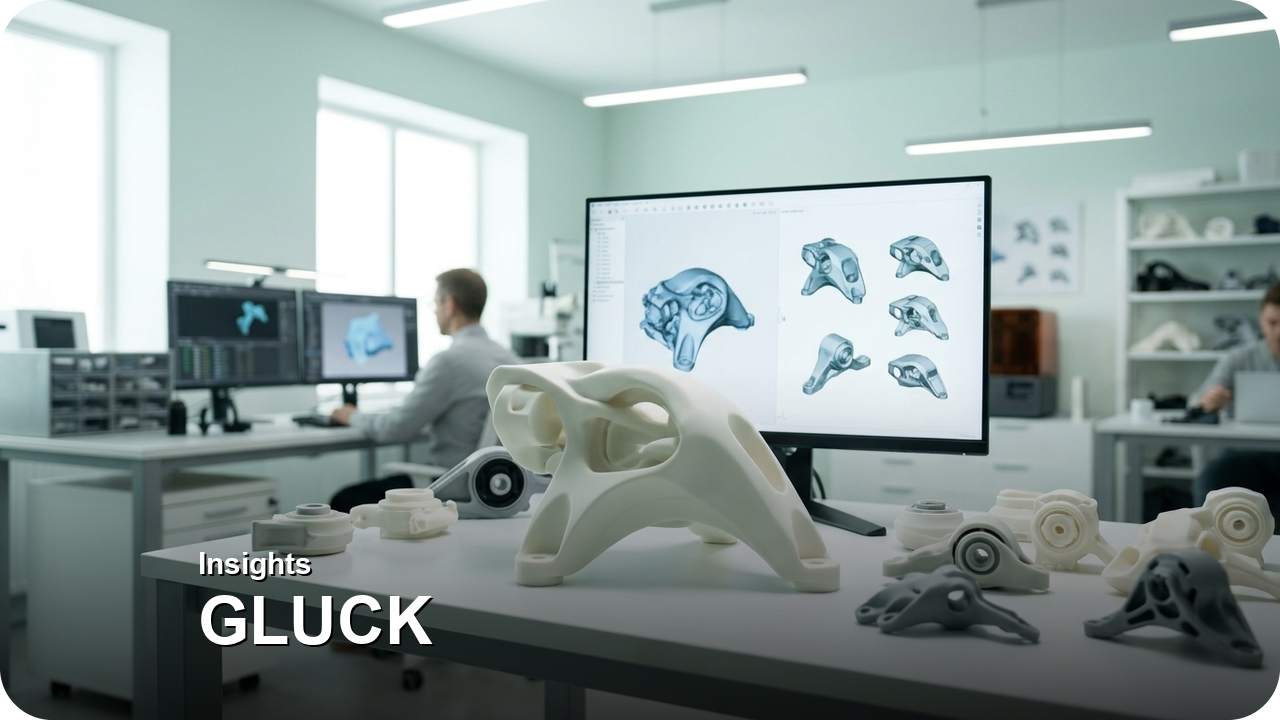
3D프린팅 산업이 다시 성장세로 돌아섰다는 소식이 이어지는 가운데, 회복의 실제 무게 중심을 보여주는 통계가 하나 있습니다. 2026년 2분기 AM(적층 제조) 서비스 매출이 약 25억 달러에 이르렀다는 수치입니다. 1년 전 같은 분기의 21.9억 달러에서 늘어난 것으로, 이 서비스 매출은 전체 시장 규모 44.8억 달러의 절반을 넘어섰습니다. 즉 3D프린팅 산업에서 가장 큰 돈이 도는 곳은 이제 프린터를 파는 쪽이 아니라, 그 프린터로 실제 부품을 만들어주는 쪽입니다.
같은 분기 하드웨어 매출은 약 8.47억 달러, 소재는 약 11.4억 달러였습니다. 서비스 매출은 1년 새 약 14% 늘어 전체 시장 성장률 12%를 앞질렀고, 2025년 1분기 약 21.8억 달러에서 1년 반 만에 3억 달러 이상 불어났습니다. 장비 판매도 성장했지만 속도가 다릅니다. 산업의 무게추가 '장비를 사는 것'에서 '장비를 써서 부품을 만드는 것'으로 옮겨가고 있다는 뜻입니다.
이 통계는 제조사에게 익숙한 고민 하나를 정확히 건드립니다. 장비를 직접 사서 운영하는 부담 없이, 필요한 만큼만 유연하게 양산 물량을 확보하려면 어디에 맡겨야 할까요? 이 글에서는 AM 서비스 시장이 왜 이렇게 커지는지, 그리고 그 흐름이 제조 의사결정에 어떤 신호를 보내는지 제조 관점에서 짚어봅니다.
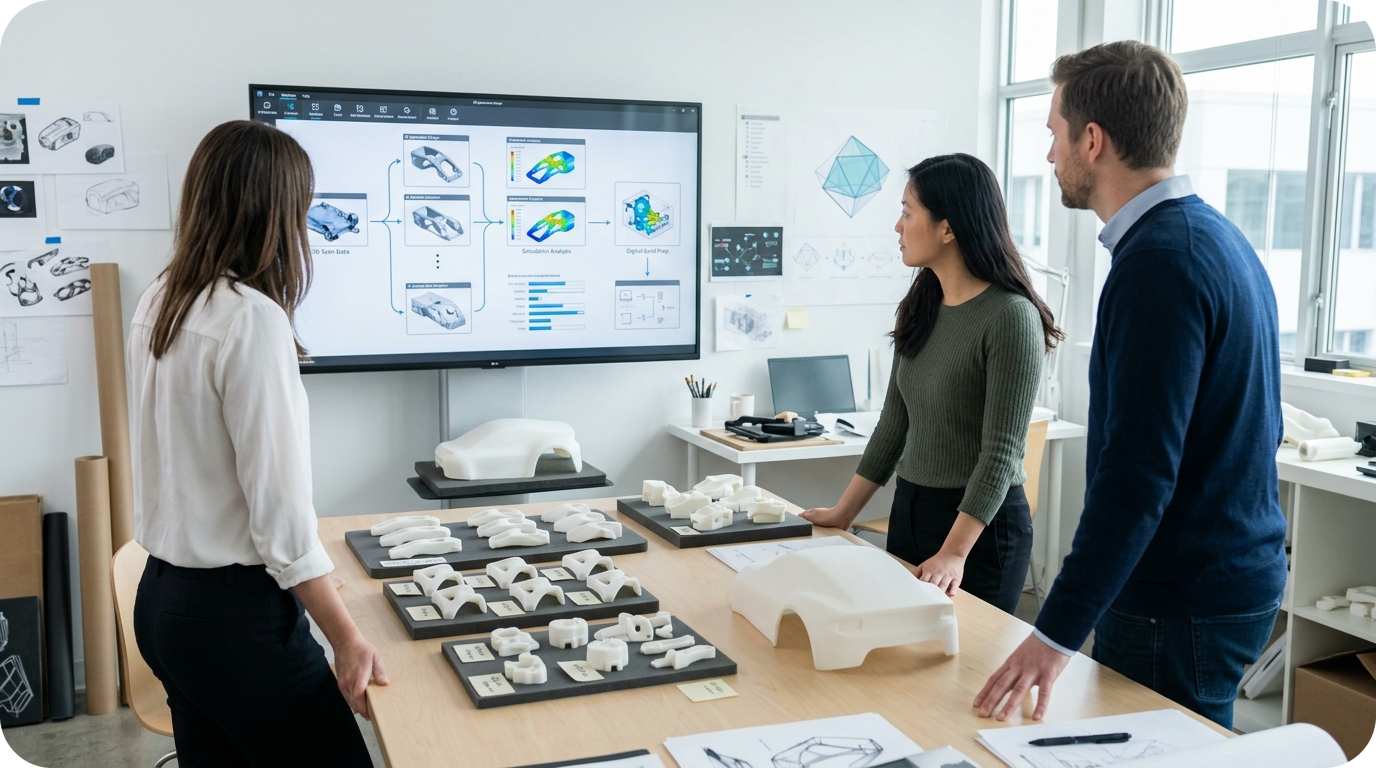
왜 프린터를 사기보다 '맡기는' 쪽을 택할까
AM 서비스가 이렇게 커진 배경에는 장비를 직접 들이는 일의 실제 비용이 있습니다. 산업용 3D프린터 한 대를 도입한다는 것은 장비값만의 문제가 아닙니다. 공간·소재 재고·운영 인력·유지보수, 그리고 안정적인 양산 품질을 뽑아내기까지의 학습 기간이 모두 따라옵니다. 여기에 장비를 사놓고 물량이 일정하지 않으면 가동률이 떨어져 투자 회수가 늦어지는 문제도 생깁니다.
기존 방식으로 이 부담을 감당하려면 두 가지 벽을 넘어야 했습니다. 정리하면 이렇습니다.
- 자본지출 부담: 장비·설비·인력에 목돈이 먼저 들어갑니다. 금리가 높아질수록 이 선투자를 정당화하기가 어려워집니다.
- 물량 변동 리스크: 수요가 들쑥날쑥하면 비싼 장비가 놀거나, 반대로 물량이 몰릴 때 캐파(생산능력)가 부족해집니다.
여기서 나오는 답이 외주 생산입니다. 부품이 필요한 회사가 장비를 직접 갖추는 대신, 이미 양산 인프라를 갖춘 서비스 공급사에 맡기면 설비 투자와 운영 부담을 건너뛸 수 있습니다. AM Research의 스콧 던햄은 2026년 상반기가 예상대로 견조한 성장을 보였지만, 금리에 따라 설비투자가 압박을 받으면 성장이 정체될 수 있다고 지적했습니다. 흥미로운 대목은, 장비 구매가 주춤해도 부품 수요 자체가 사라지지는 않는다는 점입니다. 회사들은 여전히 부품을 사거나 외부 공급사를 쓰면 되기 때문입니다. 서비스 시장이 커지는 이유가 바로 여기에 있습니다.
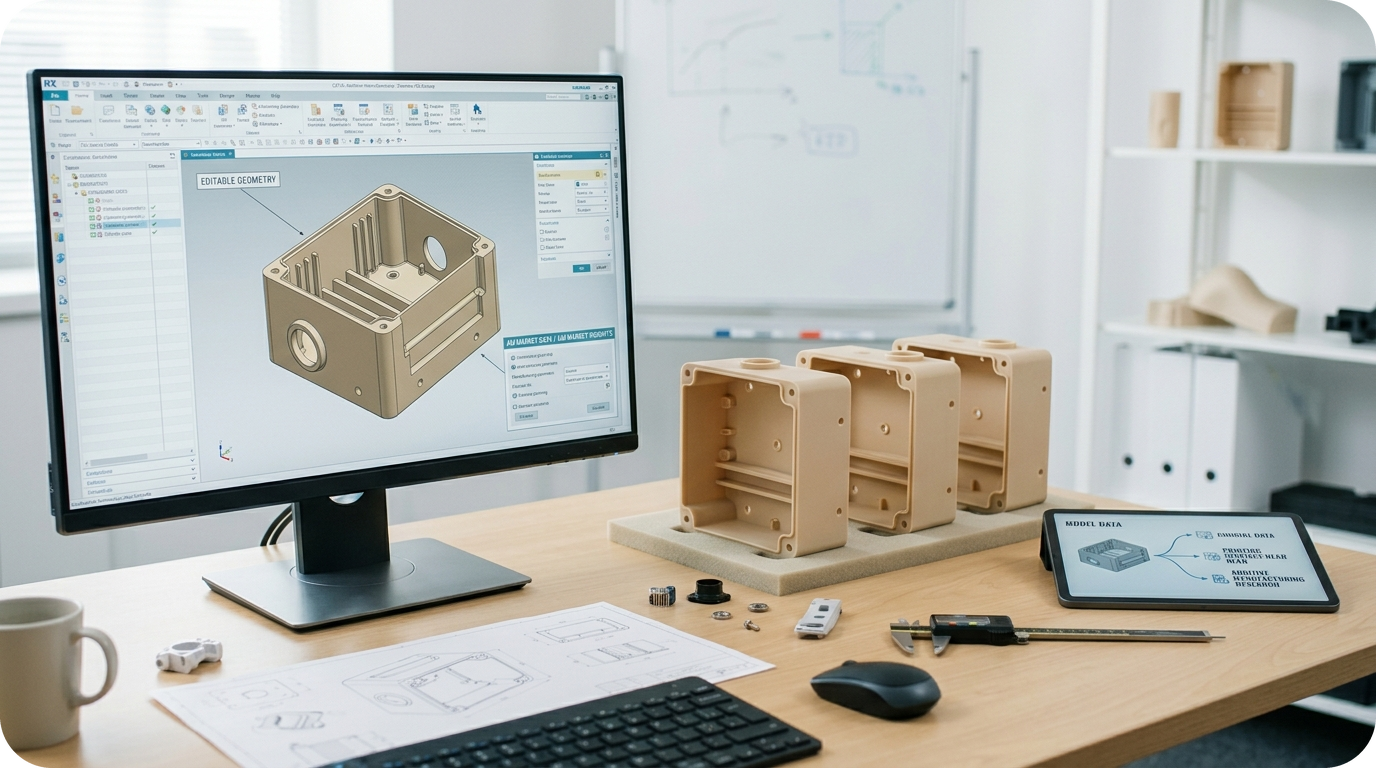
AM이 '생산'으로 들어갈수록 커지는 서비스의 무게
하드웨어가 중요하지 않다는 뜻은 아닙니다. 모든 서비스 공급사와 위탁 생산사는 결국 장비·소재·소프트웨어 위에서 돌아갑니다. 다만 25억 달러 규모의 분기 서비스 시장이 말해주는 것은, 산업의 돈이 이제 '장비를 파는 일'보다 '그 장비로 실제 부품을 만드는 일'에서 나온다는 사실입니다. AM Research가 시제품·툴링부터 최종 양산 부품까지 응용 분야별 생산량과 시장가치를 따로 추적하는 것도 같은 흐름을 반영합니다.
이 변화의 핵심은 AM이 시제품 단계를 넘어 실제 생산으로 들어가고 있다는 점입니다. 장비를 직접 사서 사내에 들이는 대신, 필요한 부품을 서비스 공급사에 맡겨 만드는 방식이 더 현실적인 선택지가 되고 있습니다. 특히 자본지출을 신중하게 관리해야 하는 시기일수록, 고정비를 변동비로 바꿀 수 있는 외주 생산의 매력은 커집니다.
이 방식은 실제 제조 현장에도 그대로 적용됩니다. 로봇 외장 커버, 생산라인 지그·치구·검사구, 의료기기 하우징처럼 형상이 제각각이고 설계가 자주 바뀌는 부품일수록, 사내 장비 한 대로 대응하기보다 유연한 양산 인프라에 맡기는 편이 총비용과 리드타임 면에서 유리한 경우가 많습니다.

장비 투자 없이 양산을 맡기는 방식, 산업용 SLA 파운드리
이런 외주 생산의 흐름은 산업 현장에서는 산업용 SLA 3D프린팅을 통해 구체화됩니다. GLUCK은 산업용 SLA 3D프린터 45기를 365일 24시간 운용하며, 연간 23만 개 이상의 부품을 생산하는 디지털 파운드리 모델을 운영하고 있습니다. 고객사는 장비를 직접 사거나 운영 인력을 두지 않고도, 필요한 물량을 유연하게 확보할 수 있습니다.
SLA가 이 구간에서 특히 맞는 조건은 분명합니다. 금형이 없어 설계를 수정하면 도면만 바꿔 바로 다시 생산할 수 있고, 300mm 기준 최대 ±0.05mm 정밀도와 Ra 0.8 수준의 표면, 후가공 시 사출품과 구별이 어려운 마감을 반복적으로 뽑아낼 수 있습니다. 형상이 다양하고 설계 변경이 잦은 다품종을 중·대량으로 반복 양산해야 할 때, 금형 없이 유연하게 대응하는 강점이 두드러집니다.
다만 SLA가 모든 경우의 정답은 아닙니다. 같은 형상을 초대량으로 오래 찍는다면 개당 단가에서 사출 성형이 유리하고, 높은 하중·내열이 요구되는 구조 부품이라면 금속 공정이 더 적합합니다. 판단 기준은 절대 수량이 아니라 형상의 다양성과 설계 변경 빈도입니다. 스마트폰 세대교체처럼 제품이 자주 바뀌고 형상이 제각각인 영역일수록, 금형에 목돈을 묻어두지 않는 방식의 가치가 커집니다.
결국 AM 서비스 시장이 25억 달러에 다가서는 흐름은, 제조사가 '장비를 소유하는 부담'에서 '필요한 만큼 생산을 확보하는 유연성'으로 옮겨가고 있다는 신호입니다. 설계 반복이 잦은 초기 양산에서 중·대량 반복 생산으로 이어지는 구간에서, 장비 투자 없이 유연 양산을 맡길 수 있는 파운드리 모델은 자본지출을 신중하게 관리하려는 제조사에게 현실적인 선택지가 되고 있습니다.
GLUCK은 반복 생산이 가능한 산업용 SLA 3D프린팅 인프라를 기반으로
양산 물량 확보와 양산 전환 과정에 필요한 3D프린팅 제조 솔루션을 지원하고 있습니다.
지금 글룩을 확인해보세요!
📩 글룩 홈페이지 & 온라인 견적: https://www.glucklab.com
📂 글룩 포트폴리오: 글룩 포트폴리오 확인하기
References
[1] 3DPrint.com, "3D Printing Services Near $2.5B as AM Market Shifts Beyond Hardware," 3DPrint.com. Link: https://3dprint.com/333786/3d-printing-services-near-2-5b-as-am-market-shifts-beyond-hardware/
English Version
You Can Make Parts Without Buying a Printer: Why AM Services Are Nearing $2.5 Billion
As the 3D printing industry returns to growth, one statistic reveals where the real center of gravity now lies. In the second quarter of 2026, additive manufacturing (AM) services generated nearly $2.50 billion in revenue, up from $2.19 billion a year earlier. That places services at more than half of the industry's total $4.48 billion quarterly market. In other words, the biggest money in 3D printing no longer comes from selling printers, but from actually using those printers to make parts for customers.
In the same quarter, hardware revenue reached about $847 million and materials about $1.14 billion. Services grew roughly 14% year over year, outpacing the overall market's 12% growth, and have added more than $300 million in quarterly revenue since Q1 2025's roughly $2.18 billion. Hardware grew too, but at a different pace. The industry's weight is shifting from "buying machines" to "using machines to make parts."
This statistic touches a familiar dilemma for manufacturers. Without the burden of buying and operating equipment, where should you turn to flexibly secure the production volume you need? This article looks at why the AM services market is expanding and what signal that trend sends to manufacturing decisions.
Why Choose to Outsource Rather Than Buy a Printer
Behind the rise of AM services is the real cost of owning equipment. Bringing in one industrial 3D printer is not just about the price of the machine. It comes with space, material inventory, operating staff, maintenance, and a learning curve before stable production quality can be achieved. If demand is uneven, the machine sits idle and return on investment slows.
Overcoming this burden the traditional way meant clearing two walls:
- Capital expenditure burden: Equipment, facilities, and personnel require a large upfront investment. As interest rates rise, justifying that outlay becomes harder.
- Volume volatility risk: When demand fluctuates, expensive machines sit idle, or capacity falls short when orders surge.
The answer emerging here is outsourced production. Instead of acquiring equipment, a company that needs parts can turn to a service provider with existing production infrastructure, skipping the investment and operating burden. AM Research's Scott Dunham noted that the first half of 2026 brought robust growth as forecasted, but warned growth could stall if capital spending comes under pressure from interest rates. The interesting point is that even when equipment purchases slow, demand for AM parts does not disappear—companies can still buy printed parts or use outside suppliers. That is precisely why the services market keeps growing.
The Growing Weight of Services as AM Moves Into Production
This does not mean hardware is unimportant. Every service bureau and contract manufacturer ultimately runs on machines, materials, and software. But a $2.5 billion quarterly services market shows that the industry's money now comes from making actual parts rather than selling machines. AM Research separately tracks the production volumes and market value of parts across applications, from prototypes and tooling to end-use production, reflecting the same trend.
The core of this shift is that AM is moving beyond prototyping into actual production. Rather than buying equipment and bringing it in-house, outsourcing needed parts to service providers is becoming the more practical option. Especially when capital spending must be managed carefully, the appeal of converting fixed costs into variable costs grows.
This applies directly on the factory floor. For parts with varied geometries and frequent design changes—such as robot exterior covers, production-line jigs and inspection fixtures, or medical device housings—entrusting production to flexible infrastructure often beats relying on a single in-house machine, both in total cost and lead time.
Outsourcing Production Without Equipment Investment: The Industrial SLA Foundry
On the factory floor, this outsourcing trend takes shape through industrial SLA 3D printing. GLUCK operates 45 industrial SLA 3D printers around the clock, 365 days a year, producing over 230,000 parts annually under a digital foundry model. Customers can flexibly secure the volumes they need without buying equipment or maintaining operating staff.
The conditions where SLA fits this segment are clear. With no mold, a design revision only requires editing the file before production resumes immediately, and the process repeatedly delivers up to ±0.05mm precision (at 300mm), Ra 0.8 surface quality, and a finish hard to distinguish from injection-molded parts after post-processing. Its strength stands out when varied, frequently revised, multi-product parts must be repeatedly produced at mid-to-high volume without molds.
That said, SLA is not the answer in every case. For running the same shape at very high volume over a long period, injection molding wins on per-unit cost, and for structural parts requiring high load or heat resistance, metal processes are more suitable. The criterion is not absolute quantity but the diversity of geometry and the frequency of design changes. The more a product changes often and varies in shape—like generational smartphone turnover—the greater the value of not sinking capital into a mold.
Ultimately, the AM services market nearing $2.5 billion signals that manufacturers are shifting from "the burden of owning equipment" to "the flexibility of securing production as needed." From early production with frequent design iteration through to mid-to-high-volume repeat manufacturing, a foundry model that lets you outsource flexible production without equipment investment is becoming a realistic choice for manufacturers who need to manage capital spending carefully.
GLUCK supports the 3D printing manufacturing solutions needed for securing production volume and transitioning to mass production, based on an industrial SLA 3D printing infrastructure capable of repeatable production.
Check out GLUCK now!
📩 GLUCK Website & Online Quote: https://www.glucklab.com
📂 GLUCK Portfolio: View the GLUCK Portfolio
References
[1] 3DPrint.com, "3D Printing Services Near $2.5B as AM Market Shifts Beyond Hardware," 3DPrint.com. Link: https://3dprint.com/333786/3d-printing-services-near-2-5b-as-am-market-shifts-beyond-hardware/
#글룩 #GLUCK #3D프린팅 #산업용3D프린팅 #SLA3D프린팅 #AM서비스 #양산 #금형없이양산 #디지털파운드리 #위탁생산 #리드타임 #3DPrinting #SLA3DPrinting #AdditiveManufacturing #AMServices #MassProduction #DigitalFoundry #ContractManufacturing #FlexibleSeriesProduction
'인사이트 (Insights)' 카테고리의 다른 글
| 저가 드론이 방위 제조에 던진 질문 : '얼마나 빠르게, 얼마나 유연하게' 만드느냐 (0) | 2026.09.28 |
|---|---|
| 로봇 부품 3개 중 1개는 '긴급'으로 찍힌다 : 로보틱스 개발이 만든 제조 병목 (0) | 2026.09.23 |
| NFL 선수 97%가 쓰는 맞춤 헬멧, 머리마다 다른 형태를 대량으로 찍어내는 법 (0) | 2026.09.22 |
| 미 해군이 42,000명에게 지급하는 '귀 스캔 맞춤 청력보호구', 개별 형상을 양산으로 바꾸는 방법 (0) | 2026.09.21 |
| 협동로봇이 IMTS에서 새 세대로 진화하자, 로봇 외장 제조에 생긴 변화 (0) | 2026.09.21 |