

로봇 산업을 지켜보면 최근 한 가지 흐름이 뚜렷하게 잡힙니다. 완성차 공장의 협동로봇부터 물류 창고의 이동로봇, 그리고 사람 모습을 한 휴머노이드까지, 새로운 로봇이 쏟아지면서 부품을 만들어 대는 제조 쪽에 부담이 몰리고 있다는 점입니다. 그런데 이 부담이 오히려 특정 제조 방식에게는 기회가 되고 있습니다.
디지털 제조 플랫폼 프로토랩스(Protolabs)는 2026년 상반기 로봇 고객군에서 나온 매출이 2025년 같은 기간의 2배로 늘었다고 밝혔습니다. 회사는 이 성장의 상당 부분을 자사의 3D프린팅 생산 능력에 연결했고, 실리콘을 비롯한 다양한 소재를 다루는 역량과 구조 부품용 CNC 가공 능력을 성장 요인으로 꼽았습니다. 로봇 고객이 다른 산업군보다 납기 속도를 더 중요하게 여긴다는 점도 함께 지적됐습니다.
여기서 짚어볼 것은 단순히 "로봇 시장이 크니까 잘 팔린다"가 아닙니다. 로봇 부품은 종류가 유난히 다양하고, 신제품은 설계가 자주 바뀌며, 초기 물량은 적습니다. 이런 특성의 로봇 부품을 금형 기반 양산으로 조달하면 리드타임과 재고 부담을 감당할 수 있을까요? 이 글에서는 프로토랩스의 성장 배경을 제조 관점에서 짚고, 로봇 외장·하우징 조달의 현실적인 선택지를 살펴봅니다.
로봇 부품의 진짜 문제는 '수량'이 아니라 '다양성'
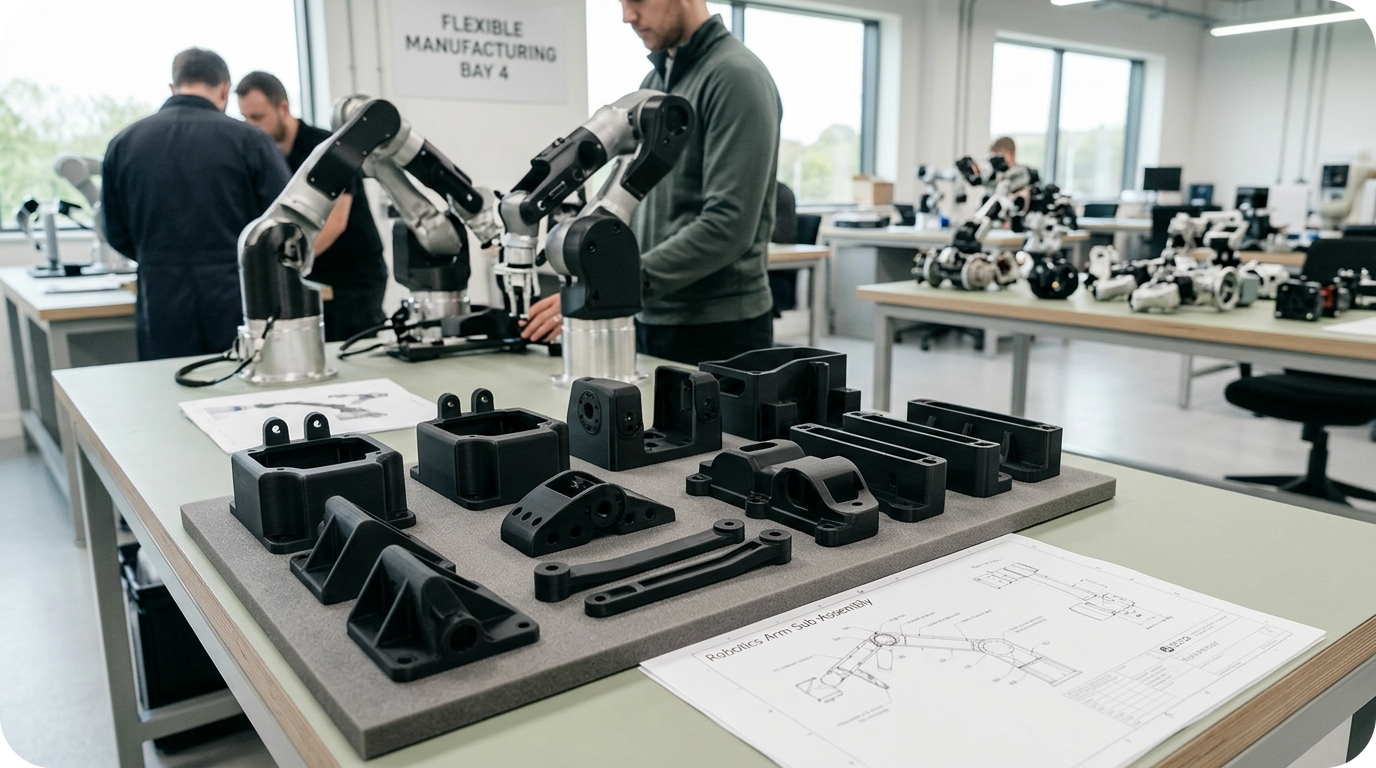
프로토랩스의 성장 배경을 제조 관점에서 뜯어보면, 가장 눈에 띄는 것은 로봇 고객이 요구하는 부품의 종류가 압도적으로 다양하다는 점입니다. 이는 한 회사 안에서도 그렇지만, 무엇보다 '로봇'이라는 범주 자체가 넓기 때문입니다. 고정형 산업로봇의 그리퍼 같은 엔드이펙터(로봇 말단 도구)와 휴머노이드, 이동로봇, 소프트 로보틱스는 요구하는 부품이 서로 완전히 다릅니다.
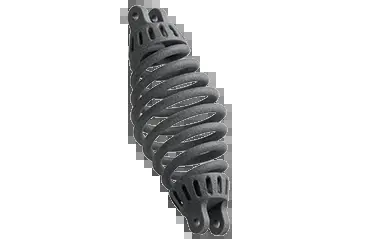
이 다양성이 기존 금형 양산과 정면으로 부딪칩니다. 로봇 신제품은 시장에 나오기 전까지 설계가 계속 바뀌고, 초기 물량도 크지 않습니다. 기존 방식으로 외장 커버 하나를 만들려면 금형부터 제작해야 했습니다. 문제는 이 과정에 다음과 같은 부담이 따른다는 점입니다.
- 초기 투자와 리드타임: 형상마다 금형을 새로 파야 하고, 금형 제작에만 수 주가 걸립니다. 로봇처럼 형상이 다양하면 금형 비용이 형상 수만큼 곱해집니다.
- 설계 변경과 MOQ: 설계를 한 번 바꾸면 금형을 수정하거나 다시 만들어야 하고, 최소주문수량(MOQ) 때문에 팔릴지 모르는 물량을 미리 쌓아야 합니다.
핵심은 로봇 부품 조달의 병목이 절대 수량이 아니라 형상 다양성과 설계변경 빈도에서 나온다는 점입니다.
하나의 시장이 아니라, 크기가 다른 여러 시장
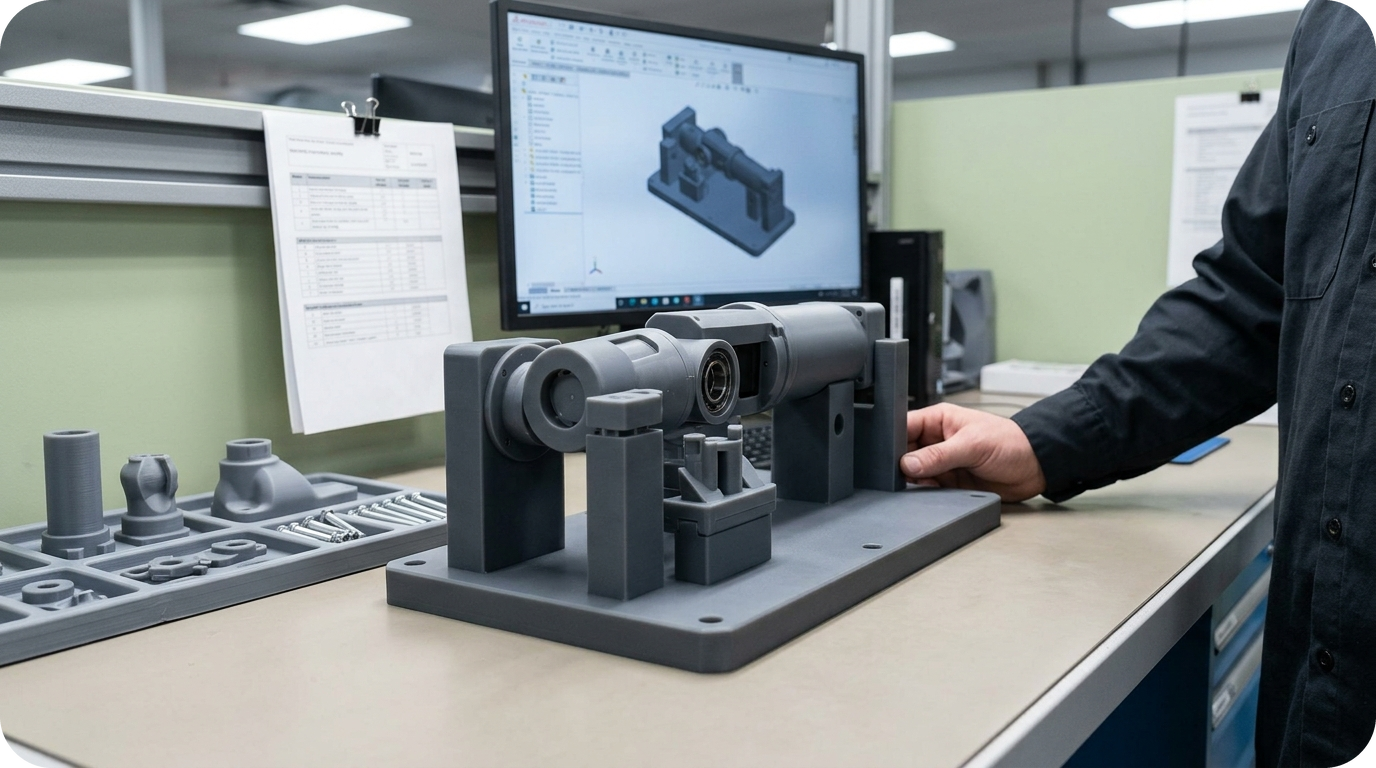
로봇 시장을 이해할 때 유용한 관점은, 이를 하나의 거대한 시장이 아니라 크기가 제각각인 여러 개의 로봇 시장으로 보는 것입니다. 고정형 산업로봇용 그리퍼는 이미 수년째 적층제조가 성과를 내온 영역이지만, 이는 특정한 산업로봇에만 해당합니다. 반면 휴머노이드는 요구사항이 완전히 다르고, 산업·상업을 아우르는 훨씬 넓은 응용을 예고합니다.
이렇게 응용이 갈라질수록 로봇 회사마다 기술 성숙도의 편차도 커집니다. 어떤 회사는 이미 양산 단계에 있고, 어떤 회사는 아직 설계를 갈아엎는 중입니다. 이런 환경에서 조달 방식은 형상별로 유연해야 합니다. 동일 형상 하나를 대량으로 찍는 구조가 아니라, 다품종 형상을 필요한 만큼 반복해서 만들 수 있어야 합니다.
프로토랩스가 로봇 고객에게서 성장을 만든 지점도 여기와 맞닿아 있습니다. 폴리머 부품과 금속 부품을 함께 다루고, 소재 선택지를 넓혀 다양한 요구를 한곳에서 받아냈다는 점입니다. 다만 이는 원문에 소개된 프로토랩스의 강점이며, 각 로봇 부품에 어떤 공법이 맞는지는 형상과 하중, 물량에 따라 달라집니다. 핵심은 로봇처럼 다품종·다변화하는 산업일수록 조달 유연성이 경쟁력이 된다는 점입니다.
로봇 외장·하우징, 금형 없이 반복 양산하는 산업용 SLA
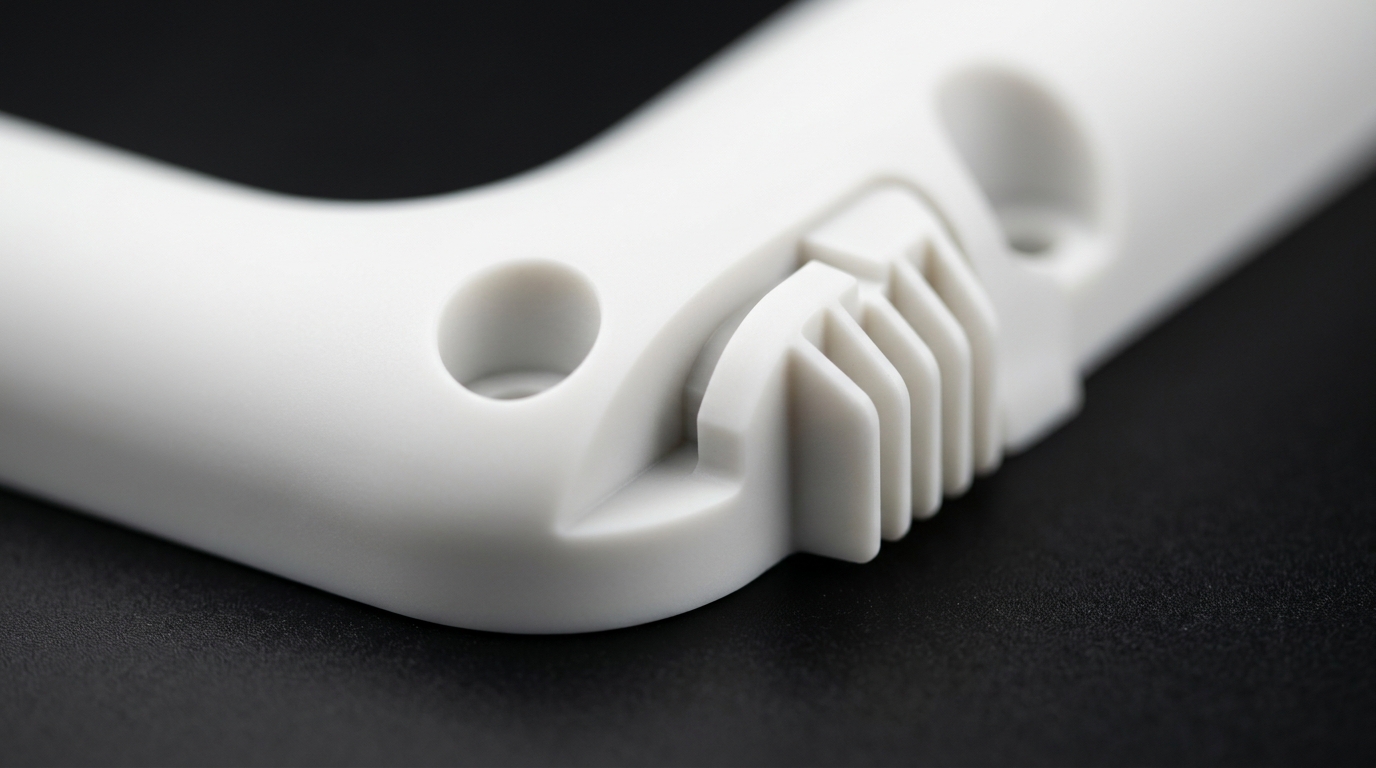
이런 로봇 부품 조달의 유연성은 실제 산업 현장에서 산업용 SLA 3D프린팅을 통해 구현될 수 있습니다. 특히 로봇의 외장 커버·하우징·센서 브라켓 같은 폴리머 구조·외장 부품이 SLA와 잘 맞습니다. GLUCK 역시 로봇 외장 커버 소량 양산을 수행해온 영역이 바로 이 지점입니다.
SLA가 로봇 부품 조달에서 유리한 조건은 분명합니다. 금형이 없어 설계 데이터를 수정하면 다음 생산에 바로 반영되므로, 설계 변경이 잦은 로봇 개발 단계에 적합합니다. 형상이 여러 종이어도 형상마다 금형을 새로 팔 필요가 없어 다품종 조달에 강합니다. 또 표면 품질이 매끄러워 외장 커버·하우징을 별도의 복잡한 후가공 없이 최종 부품으로 쓸 수 있습니다.
- 금형 없는 반복생산: GLUCK은 산업용 SLA 3D프린터 45기를 365일 24시간 운용하며, 연간 23만 개 이상의 부품을 생산합니다. 형상이 다양해도 금형 제작 없이 반복 양산이 가능합니다.
- 표면과 정밀도: 300mm 기준 최대 ±0.05mm, 표면조도 Ra 0.8 수준으로, 후가공 시 사출품과 구별이 어려운 마감을 얻을 수 있습니다.
다만 SLA가 로봇 부품의 모든 답은 아닙니다. 동일한 외장을 수백만 개 찍는 초대량 단계라면 사출 성형의 개당 단가가 더 낮고, 고하중을 받는 관절·기어 같은 금속 구조부는 금속 가공이 더 적합합니다. 판단은 형상 다양성과 설계변경 빈도, 그리고 물량 구간을 함께 놓고 내려야 합니다.
로봇·휴머노이드 양산이 확대되는 지금, 외장·구조 부품을 어떤 방식으로 조달해야 할까요? 답은 로봇 부품의 성격에 달려 있습니다. 형상이 다양하고 설계가 자주 바뀌는 외장·하우징·커버라면, 초도 검증부터 중·대량 반복 양산으로 이어지는 구간에서 금형 없이 유연하게 대응하는 산업용 SLA 3D프린팅이 현실적인 선택지가 됩니다. 반대로 형상이 고정된 초대량 부품이나 금속 고하중 구조부는 여전히 기존 방식이 유리합니다. 로봇 산업의 다양성 자체가, 조달 방식의 유연성을 요구하고 있습니다.
GLUCK은 반복 생산이 가능한 산업용 SLA 3D프린팅 인프라를 기반으로
로봇 외장·하우징 개발과 양산 전환 과정에 필요한 3D프린팅 제조 솔루션을 지원하고 있습니다.
지금 글룩을 확인해보세요!
📩 글룩 홈페이지 & 온라인 견적: https://www.glucklab.com
📂 글룩 포트폴리오: 글룩 포트폴리오 확인하기
References
[1] 3DPrint.com, "Protolabs Leverages 3D Printing for Its Robotics Customers to Increase Market Segment Growth 2x YOY," 3DPrint.com. Link: https://3dprint.com/333580/protolabs-leverages-3d-printing-for-its-robotics-customers-to-increase-market-segment-growth-2x-yoy/
English Version
Robotics Revenue Doubled in a Year: What Protolabs Reveals About How Robot Parts Are Sourced
Watching the robotics industry, one trend stands out clearly. From collaborative robots on automotive floors to mobile robots in logistics warehouses, and humanoids shaped like people, the flood of new robots is placing a burden on the manufacturing side that supplies the parts. Yet this burden is turning into an opportunity for one particular manufacturing method.
Digital manufacturing platform Protolabs reported that its robotics-customer revenue in H1 2026 doubled compared to the same half of 2025. The company tied much of this growth to its 3D printing capacity, citing its ability to work with multiple materials including silicone, as well as CNC machining capacity for structural components. It was also noted that robotics customers prioritize speed of delivery more than customers in other verticals.
The point here isn't simply "robots sell well because the market is big." Robot parts come in an unusually wide variety, new products go through frequent design changes, and initial volumes are small. Can robot housings and covers with these characteristics really be sourced through mold-based mass production without unbearable lead-time and inventory burdens? This article examines the background of Protolabs' growth from a manufacturing perspective and looks at realistic options for sourcing robot exteriors and housings.
The Real Issue With Robot Parts Isn't "Volume" but "Diversity"
Examining Protolabs' growth from a manufacturing angle, the most striking factor is the overwhelming diversity of parts robotics customers require. This holds within a single company, but even more so because the category "robot" is so broad. End-of-arm tooling such as grippers, humanoids, mobile robots, and soft robotics all demand entirely different parts.
This diversity collides head-on with traditional mold-based production. Robot new products keep changing in design until they reach the market, and initial volumes are modest. Under conventional methods, making a single exterior cover meant first building a mold. The problem is the burdens that follow:
- Upfront investment and lead time: Each shape requires a new mold, and mold fabrication alone takes weeks. When shapes are as diverse as in robotics, mold costs multiply by the number of shapes.
- Design changes and MOQ: Every design change requires modifying or rebuilding the mold, and minimum order quantities (MOQ) force you to stock volumes that may never sell.
The key point is that the bottleneck in robot part sourcing comes not from absolute volume but from shape diversity and design-change frequency.
Not One Market, but Many Markets of Different Sizes
A useful way to understand the robotics market is to see it not as one giant market but as many robotics markets of varying sizes. Grippers for fixed industrial robots have been an AM success story for years, but they apply only to a specific kind of robot. Humanoids, by contrast, have completely different requirements and point toward a far wider range of industrial and commercial applications.
As applications diverge, the variance in technical maturity across robotics companies grows as well. Some companies are already in mass production; others are still reworking their designs. In such an environment, sourcing methods must remain flexible per shape. Rather than a structure for mass-producing a single fixed shape, you need the ability to repeatedly produce many different shapes in the quantities required.
Where Protolabs generated growth with robotics customers touches exactly this point: handling both polymer and metal parts and widening material options to receive diverse requirements in one place. That said, this is Protolabs' strength as described in the source, and which process suits which robot part depends on shape, load, and volume. The key point is that the more a industry diversifies like robotics, the more sourcing flexibility becomes a competitive edge.
Robot Exteriors and Housings: Repeat Production Without Molds via Industrial SLA
This flexibility in robot part sourcing can be realized on the factory floor through industrial SLA 3D printing. In particular, polymer structural and exterior parts such as robot exterior covers, housings, and sensor brackets pair well with SLA. This is precisely the area where GLUCK has carried out low-volume production of robot exterior covers.
The conditions where SLA is advantageous for robot part sourcing are clear. With no mold, modifying the design data reflects directly in the next production run, making it suitable for the design-heavy robot development stage. Even with many shapes, there's no need to cut a new mold per shape, giving strength in multi-variety sourcing. And with smooth surface quality, exterior covers and housings can be used as end-use parts without complex additional finishing.
- Mold-free repeat production: GLUCK operates 45 industrial SLA 3D printers 24 hours a day, 365 days a year, producing over 230,000 parts annually. Even with diverse shapes, repeat production is possible without mold fabrication.
- Surface and precision: Up to ±0.05mm at 300mm, with surface roughness around Ra 0.8, achieving a finish hard to distinguish from injection-molded parts after post-processing.
That said, SLA is not the answer for every robot part. In the ultra-high-volume stage of producing the same exterior millions of times, injection molding's per-unit cost is lower, and metal structural parts like joints and gears bearing high loads are better suited to metal machining. The decision must weigh shape diversity, design-change frequency, and volume range together.
As robot and humanoid production expands, how should exterior and structural parts be sourced? The answer depends on the nature of the part. For exteriors, housings, and covers with diverse shapes and frequent design changes, industrial SLA 3D printing—responding flexibly without molds across the span from initial validation to mid-to-high-volume repeat production—becomes a realistic option. Conversely, ultra-high-volume parts with fixed shapes or high-load metal structural components still favor conventional methods. The very diversity of the robotics industry is what demands flexibility in the way parts are sourced.
GLUCK supports the 3D printing manufacturing solutions needed for robot exterior and housing development and the transition to mass production, based on an industrial SLA 3D printing infrastructure capable of repeatable production.
Check out GLUCK now!
📩 GLUCK Website & Online Quote: https://www.glucklab.com
📂 GLUCK Portfolio: View the GLUCK portfolio
References
[1] 3DPrint.com, "Protolabs Leverages 3D Printing for Its Robotics Customers to Increase Market Segment Growth 2x YOY," 3DPrint.com. Link: https://3dprint.com/333580/protolabs-leverages-3d-printing-for-its-robotics-customers-to-increase-market-segment-growth-2x-yoy/
#글룩 #GLUCK #3D프린팅 #산업용3D프린팅 #SLA3D프린팅 #로봇부품 #로봇외장 #휴머노이드 #금형없는양산 #다품종양산 #리드타임단축 #프로토랩스 #3DPrinting #SLA3DPrinting #AdditiveManufacturing #RoboticsManufacturing #RobotHousing #Humanoid #FlexibleSeriesProduction #Protolabs
원문 기사 이미지 출처
'인사이트 (Insights)' 카테고리의 다른 글
| anrealage 색변환 드레스 : 2,000개 '비늘'을 금형 없이 반복 성형하는 법 (0) | 2026.10.01 |
|---|---|
| 프린터를 안 사고도 부품을 찍는다 : AM 서비스 시장이 25억 달러에 다가선 이유 (0) | 2026.09.30 |
| 저가 드론이 방위 제조에 던진 질문 : '얼마나 빠르게, 얼마나 유연하게' 만드느냐 (0) | 2026.09.28 |
| 로봇 부품 3개 중 1개는 '긴급'으로 찍힌다 : 로보틱스 개발이 만든 제조 병목 (0) | 2026.09.23 |
| NFL 선수 97%가 쓰는 맞춤 헬멧, 머리마다 다른 형태를 대량으로 찍어내는 법 (0) | 2026.09.22 |